Unlock Your Vitality: The Ultimate Guide to Longevity and Hormone Training
The desire to live a long life is universal. But more and more, we are realizing that the number of years we live is less important than the quality of those years. We don’t just want a long lifespan; we want an extended healthspan, a period of life filled with energy, cognitive clarity, and physical capability.
The secret to achieving this vibrant longevity lies deep within our own biology, orchestrated by a team of powerful chemical messengers. These messengers are our hormones. They dictate everything from our mood and energy levels to how our bodies store fat and build muscle.
Understanding this intricate system is the first step. The next, more powerful step is learning how to influence it. This is the core principle of longevity and hormone training, a proactive approach to guiding your endocrine system towards optimal function, slowing the clock on aging, and enhancing your overall vitality.
What Are Hormones and Why Do They Matter for Longevity?
Hormones are the conductors of your body’s orchestra. Produced by the endocrine system, a network of glands including the thyroid, adrenals, pancreas, and reproductive organs, these molecules travel through your bloodstream to tissues and organs, delivering critical instructions. They tell your body when to sleep, when to wake up, how to use energy, and how to grow.
Think of them as the ultimate project managers. Insulin, produced by the pancreas, manages your blood sugar levels, directing glucose into cells for energy. Cortisol, the famous ‘stress hormone’ from the adrenal glands, helps manage inflammation and mobilizes energy in response to a threat. Thyroid hormones set the pace of your metabolism, influencing how quickly you burn calories.
Sex hormones like testosterone and estrogen do more than just govern reproduction. Testosterone is vital for maintaining muscle mass, bone density, and cognitive function in both men and women. Estrogen plays a crucial role in bone health, cardiovascular function, and skin elasticity.
As we look at the big picture of a long and healthy life, the balance of these hormones is paramount. When they are in harmony, our bodies function efficiently. We have stable energy, a resilient immune system, a sharp mind, and a strong physique. When they are out of balance, the aging process can accelerate, and the risk of chronic disease increases.
How Does Aging Affect Our Hormones?
The passage of time naturally brings changes to our hormonal landscape. This shift, sometimes called hormonal aging, is a key driver of many of the signs and symptoms we associate with getting older. It’s not a sudden event but a gradual decline that can begin as early as our thirties.
For many, levels of key anabolic or ‘building’ hormones begin to wane. DHEA, often called the ‘mother hormone’ because it’s a precursor to others like testosterone and estrogen, typically peaks in our mid-twenties and declines steadily thereafter. Growth hormone, essential for cellular repair and regeneration, also decreases, contributing to slower recovery and changes in body composition.
Testosterone levels decline in both men and women, which can lead to sarcopenia, the age-related loss of muscle mass and strength. This loss of muscle is a significant predictor of frailty and mortality in older adults. Similarly, the decline in estrogen during menopause for women significantly impacts bone density, increasing the risk of osteoporosis.
At the same time, our sensitivity to other hormones can change. For instance, many people experience a decrease in insulin sensitivity with age, making it harder for the body to manage blood sugar effectively. This can lead to weight gain, particularly around the midsection, and increases the risk for metabolic syndrome and type 2 diabetes. While these changes are a natural part of aging, their speed and severity are not set in stone.

Can We Really ‘Train’ Our Hormones?
The term ‘training’ might sound like you are trying to force your hormones into submission, but the reality is far more elegant. It’s about creating an environment through your daily choices that encourages your endocrine system to find its optimal balance. You become a collaborator with your biology rather than a victim of it.
This training is built upon four fundamental pillars: strategic nutrition, intelligent exercise, restorative sleep, and proactive stress management. Each of these lifestyle factors sends powerful signals to your endocrine glands, influencing which hormones are produced, in what amounts, and how effectively your cells listen to them.
By mastering these pillars, you can directly impact insulin sensitivity, boost growth hormone, manage cortisol, and support healthy levels of thyroid and sex hormones. It’s a holistic system where every part influences the whole, creating a positive feedback loop that promotes healthspan and vitality. This is the practical application of longevity science.
How Does What We Eat Influence Our Hormonal Health?
Every meal you eat is a hormonal event. The food you consume is broken down into nutrients that directly signal your endocrine system. Perhaps the most immediate and impactful relationship is between your diet and the hormone insulin.
A diet high in refined carbohydrates and sugars causes rapid spikes in blood glucose. Your pancreas responds by releasing a large amount of insulin to shuttle that sugar out of the bloodstream. Over time, this constant demand can lead to insulin resistance, a condition where your cells stop responding properly to insulin’s signals. This is a cornerstone of metabolic dysfunction and accelerated aging.
Conversely, a diet rich in protein, healthy fats, and high-fiber carbohydrates provides a more stable and controlled release of energy. This keeps blood sugar and insulin levels in check, promoting metabolic flexibility. Healthy fats, like those found in avocados, olive oil, and nuts, are also the literal building blocks for steroid hormones like testosterone and estrogen.
Furthermore, specific micronutrients are essential for hormone production and function. Your thyroid gland needs iodine and selenium to produce thyroid hormones effectively. Zinc is a critical co-factor for testosterone production. A nutrient-dense diet ensures your body has all the raw materials it needs. The world of hormones is incredibly complex, and nutrition is one of the most powerful levers we have to influence it.
What is the Best Type of Exercise for Hormone Balance?
Exercise is one of the most potent tools for hormonal training, acting as a form of beneficial stress. This concept is known as hormesis, where a low dose of a stressor triggers a positive adaptive response that makes the organism stronger and more resilient. When you exercise, you are purposefully stressing your system to provoke a powerful, health-promoting hormonal cascade.
The key is to use different types of exercise to elicit specific hormonal responses. Resistance training, like lifting weights or bodyweight exercises, is unparalleled for signaling muscle growth. This type of workout creates microscopic tears in muscle fibers, which in turn stimulates the release of testosterone and human growth hormone to repair and rebuild the muscle stronger than before.
High-Intensity Interval Training (HIIT), which involves short bursts of all-out effort followed by brief recovery periods, is exceptionally effective at improving insulin sensitivity. It rapidly depletes muscle glycogen stores, making your cells more eager to soak up glucose from the bloodstream. This helps your body manage blood sugar more efficiently long after the workout is over. A deep dive into the endocrinology of exercise reveals just how profoundly movement shapes our internal chemistry.
Finally, low-intensity, steady-state cardio, often called Zone 2 training, is crucial for building a robust aerobic base and managing cortisol. This type of exercise improves mitochondrial efficiency and can be a meditative practice that helps buffer the effects of chronic stress. The principle of hormesis explains why this intentional stress from exercise leads to such powerful anti-aging benefits.

Why is Sleep the Unsung Hero of Hormonal Regulation?
If nutrition and exercise are the engine of hormone training, sleep is the master mechanic that performs all the nightly repairs. You can have the perfect diet and workout plan, but without adequate, high-quality sleep, your hormonal health will inevitably suffer. It’s during these crucial hours of rest that your body does its most important endocrine work.
Sleep is when your body prioritizes repair and recovery, a process driven by a surge in human growth hormone. This is essential for repairing tissues, building muscle, and maintaining a youthful physiology. A single night of poor sleep can significantly blunt this critical HGH release.
Simultaneously, sleep deprivation has a devastating one-two punch on your stress and metabolic hormones. It causes cortisol levels to be higher the next day, promoting a state of chronic stress and encouraging fat storage, especially in the abdominal area. It also dramatically impairs insulin sensitivity, sometimes to a degree comparable to pre-diabetes after just a few nights of insufficient rest.
Prioritizing sleep hygiene is non-negotiable for longevity. This means creating a dark, cool, and quiet sleep environment, establishing a consistent sleep and wake schedule even on weekends, and avoiding blue light from screens for at least an hour before bed. Think of sleep not as a luxury, but as the most critical hormonal reset you perform every single day.
How Does Chronic Stress Sabotage Our Hormones?
Our bodies are brilliantly designed to handle acute, short-term stress. When faced with a real or perceived threat, the adrenal glands release cortisol and adrenaline. This ‘fight-or-flight’ response sharpens focus, mobilizes energy, and prepares you for action. The problem in modern life is that the stress response is activated constantly by work deadlines, traffic, financial worries, and digital notifications.
This state of chronic activation keeps cortisol levels persistently elevated, which has a corrosive effect on your entire hormonal system. High cortisol can suppress immune function, break down muscle tissue, and interfere with deep sleep. It also promotes insulin resistance and signals the body to store visceral fat, the dangerous type of fat that surrounds your organs.
Furthermore, chronic stress can lead to a phenomenon known as ‘pregnenolone steal’ or ‘cortisol steal’. Your body uses the precursor hormone pregnenolone to make both cortisol and other vital hormones like DHEA and progesterone. When the demand for cortisol is relentless, the body diverts the raw materials away from producing these other hormones, leading to imbalances that can affect mood, energy, and reproductive health.
Managing stress through practices like meditation, deep breathing, spending time in nature, and engaging in hobbies is essential. Interestingly, physical activity is a powerful antidote; learning how exercise and stress are interconnected shows how movement can help metabolize stress hormones and build resilience.

When is it Time to Seek Professional Guidance?
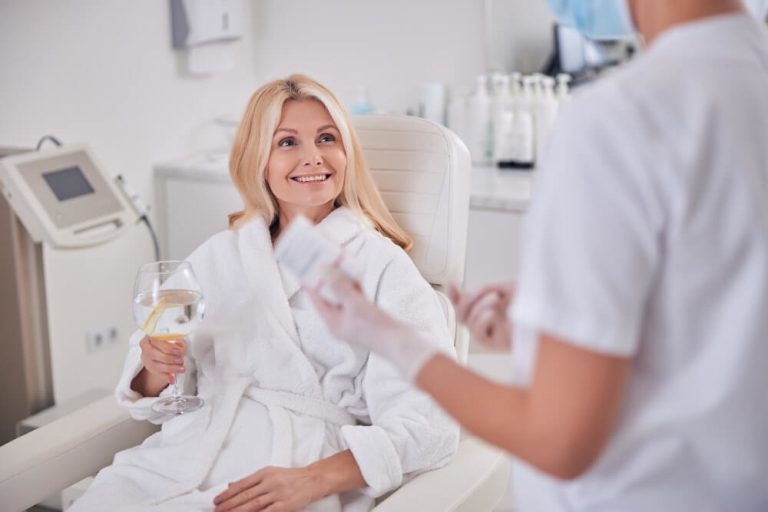
While lifestyle interventions form the bedrock of hormonal health, there are times when they are not enough. For individuals with significant symptoms, pre-existing conditions, or those who simply want to optimize their biology to the highest degree, seeking professional guidance is a crucial step. A qualified practitioner can move beyond general advice and create a truly personalized strategy.
The first step in a clinical setting is comprehensive testing. This goes far beyond standard lab work, often including detailed blood, saliva, or urine tests to create a complete picture of your hormonal status. This data provides a baseline and helps identify specific imbalances that need to be addressed, taking the guesswork out of the equation.
Based on this data, a practitioner can develop a targeted plan. This might involve advanced nutritional protocols, specific supplements to address deficiencies, or a more precise exercise prescription. For some individuals, Bioidentical Hormone Replacement Therapy (BHRT) may be a valuable tool to restore hormones to more youthful, optimal levels. This should only ever be done under the careful supervision of an expert who understands the nuances of dosing and monitoring.
The field of longevity medicine is highly specialized, requiring practitioners to undergo extensive education. The curriculum for a fellowship in hormone and longevity medicine illustrates the depth of knowledge needed to manage these complex systems safely and effectively. These experts are trained in how to integrate hormone protocols into a longevity practice, ensuring that any intervention is part of a holistic plan designed to enhance long-term health.

How Do These Principles Apply to Specific Health Conditions?
The power of hormone training becomes even more apparent when we look at its application to specific health conditions rooted in endocrine dysfunction. Polycystic Ovary Syndrome (PCOS) is a perfect example. It is one of the most common endocrine disorders in women of reproductive age, characterized by a complex interplay of hormonal imbalances.
At its core, PCOS is often driven by significant insulin resistance. This high level of insulin signals the ovaries to produce excess androgens, or male hormones like testosterone, which leads to many of the classic symptoms of the condition. This hormonal cascade can disrupt ovulation, affect fertility, and contribute to metabolic issues.
Applying the principles of hormone training can be transformative for managing PCOS. A low-glycemic diet focused on whole foods directly addresses the underlying insulin resistance, helping to lower both insulin and androgen levels. Strategic exercise, particularly a combination of resistance training and HIIT, further improves insulin sensitivity and can help manage weight.
Stress management is also critical, as high cortisol can worsen insulin resistance and further disrupt the hypothalamic-pituitary-adrenal (HPA) axis. For many, these lifestyle strategies can dramatically improve symptoms and restore hormonal balance. In more complex situations, a clinical approach is necessary, as the advanced management of Polycystic Ovary Syndrome (PCOS) is a specialized area of medicine that requires a deep understanding of its intricate pathology.
What is the Takeaway for a Longer, Healthier Life?
The journey to a longer, more vibrant life is not about finding a single magic pill or a futuristic technology. It’s about understanding and taking control of the fundamental biological processes that govern your health. Your hormones are at the very center of this process, and you have more influence over them than you may realize.
By embracing the principles of hormone training, you are giving your body the signals it needs to thrive. You are choosing to balance your blood sugar with nourishing food, build strength and resilience with intelligent exercise, facilitate deep repair with restorative sleep, and buffer the corrosive effects of modern life with proactive stress management.
This is a proactive, empowered approach to aging. It shifts the focus from simply treating disease to actively cultivating a state of high performance and vitality that can last a lifetime. Your daily choices are a direct investment in your future self, building a foundation of hormonal health that will pay dividends in energy, clarity, and capability for decades to come.
Frequently Asked Questions
How long does it typically take to notice improvements in cellular health after starting a hormone-balancing protocol?
The timeline for experiencing benefits varies significantly from person to person, depending on the severity of the imbalance and consistency with lifestyle changes. Some individuals may notice initial improvements in energy levels, mood, and sleep quality within just a few weeks. However, tangible changes at the cellular level, such as improved metabolic function and reduced inflammation, require a more sustained effort.
True cellular repair and optimization is a gradual process that unfolds over several months, not days. While you might feel better relatively quickly, achieving deep and lasting hormonal balance requires patience and long-term commitment. Think of it as building a strong foundation for health, where consistent, daily choices compound over time to create profound and stable results.
Besides diet and exercise, what is the single most overlooked factor in balancing hormones?
While diet and exercise are crucial, the most frequently neglected factor for hormonal regulation is consistent, high-quality sleep. During deep sleep, your body undergoes critical repair processes and resets the entire endocrine system. This is when your body clears out excess cortisol from the day and regulates appetite hormones like ghrelin and leptin.
Chronic sleep deprivation, even losing just an hour per night, disrupts your natural circadian rhythm, directly impairing insulin sensitivity and elevating stress hormones. Therefore, prioritizing 7-9 hours of quality sleep per night is not a luxury but a non-negotiable foundation for any successful hormone-balancing strategy. A consistent sleep schedule is one of the most powerful levers you can pull for better cellular health.
Can hormonal imbalances be permanently "cured," or is this an ongoing management process?
It is more accurate to view hormone balance as a dynamic state that requires ongoing management rather than a condition that can be permanently "cured." Your hormones naturally fluctuate in response to aging, stress, environmental factors, and different life stages like pregnancy or menopause. Significant improvements can be made to resolve symptoms and optimize health, but this requires continuous attention.
The goal is to build a resilient endocrine system that can better adapt to life’s inevitable stressors and changes. By adopting sustainable lifestyle habits related to nutrition, movement, and stress resilience, you provide your body with the tools it needs for long-term hormonal harmony. This transforms the effort from a temporary fix into a lifelong strategy for maintaining optimal cellular function.
Discover the most comprehensive functional medicine training, longevity training, and biohacking certification programs designed specifically for healthcare professionals, medics, and clinic owners who want to master regenerative medicine protocols and anti-aging therapies.