Beyond Anti-Aging: A Complete Guide to Longevity Medicine
For centuries, humanity has been captivated by the idea of extending life. We’ve searched for fountains of youth and miracle cures, all in pursuit of more time. But what if the goal isn’t just about adding more years to your life, but more life to your years? This fundamental shift in perspective is the driving force behind one of the most exciting and rapidly evolving fields in healthcare today.
This emerging discipline moves beyond the traditional reactive model of treating sickness. Instead, it focuses on a proactive and personalized approach to health, aiming to extend our ‘healthspan’, the period of our lives spent in good health, free from chronic disease and disability. This is the core mission of Longevity Medicine, a practice dedicated to understanding the mechanisms of aging and applying that knowledge to help you live not just a longer life, but a more vibrant and functional one.
Imagine a future where your healthcare is not about waiting for a diagnosis but about actively preventing it. It is about using advanced diagnostics to predict health risks decades in advance and implementing targeted interventions to optimize your biology. This is not science fiction; it’s the practical application of science to enhance human potential and redefine what it means to grow older.

What Is the Difference Between Healthspan and Lifespan?
To truly grasp the promise of longevity medicine, it is crucial to understand the distinction between two key terms: lifespan and healthspan. They might sound similar, but they represent vastly different concepts and, ultimately, different goals for your health journey.
Lifespan is the simpler of the two. It refers to the total number of years you are alive, from birth to death. For much of the 20th century, advancements in sanitation, antibiotics, and emergency medicine led to a dramatic increase in average lifespan. We became very good at keeping people alive for longer.
Healthspan, however, is a measure of quality, not just quantity. It represents the number of years you live in good health, with full physical and cognitive function, free from the burden of chronic illness. It’s the period of your life where you feel energetic, capable, and engaged.
Unfortunately, for many, there is a growing gap between lifespan and healthspan. People are living longer, but they are spending their final years or even decades managing multiple chronic conditions like heart disease, diabetes, dementia, and arthritis. The primary goal of longevity medicine is to close this gap, to make your healthspan equal to your lifespan.

How Does Longevity Medicine Go Beyond Traditional Healthcare?
Traditional modern medicine is often described as a ‘sick care’ system. It is incredibly effective at treating acute illnesses, infections, and injuries. If you have a heart attack or a bacterial infection, you are in excellent hands. However, its primary model is reactive; it waits for a problem to arise and then intervenes to manage the symptoms or cure the disease.
Longevity medicine operates on a completely different paradigm. It is proactive, predictive, personalized, and participatory. This approach, sometimes called P4 medicine, aims to optimize health and prevent disease long before it ever has a chance to take hold. It is about understanding your unique biological blueprint and creating a strategy to keep you functioning at your peak for as long as possible.
Instead of focusing on specific diseases in isolation, a longevity-focused practitioner looks at the underlying processes of aging itself. These are known as the ‘hallmarks of aging’ and include things like cellular senescence, mitochondrial dysfunction, and epigenetic alterations. By targeting these root causes, it is possible to delay, prevent, or even reverse the onset of multiple age-related diseases simultaneously.
This approach requires a deep partnership between you and your healthcare provider. It is a collaborative journey where you become an active participant in your own health, armed with the knowledge and tools to make informed decisions about your lifestyle, nutrition, and potential interventions.

What Are the Core Pillars of a Longevity Strategy?
Achieving a long healthspan is not about a single magic pill or secret technique. It is a comprehensive strategy built upon several interconnected pillars. Each pillar provides a crucial piece of the puzzle, working synergistically to optimize your body’s resilience and function from the inside out. Think of it as building a strong foundation for a lifetime of good health.
These pillars are not generic recommendations; they are personalized based on your unique biology. The journey begins with deep diagnostic insights and branches out into highly tailored interventions in nutrition, physical activity, and recovery. This integrated approach ensures that every aspect of your lifestyle is aligned with your goal of extending your healthy years.
Can Advanced Diagnostics Predict Future Health?
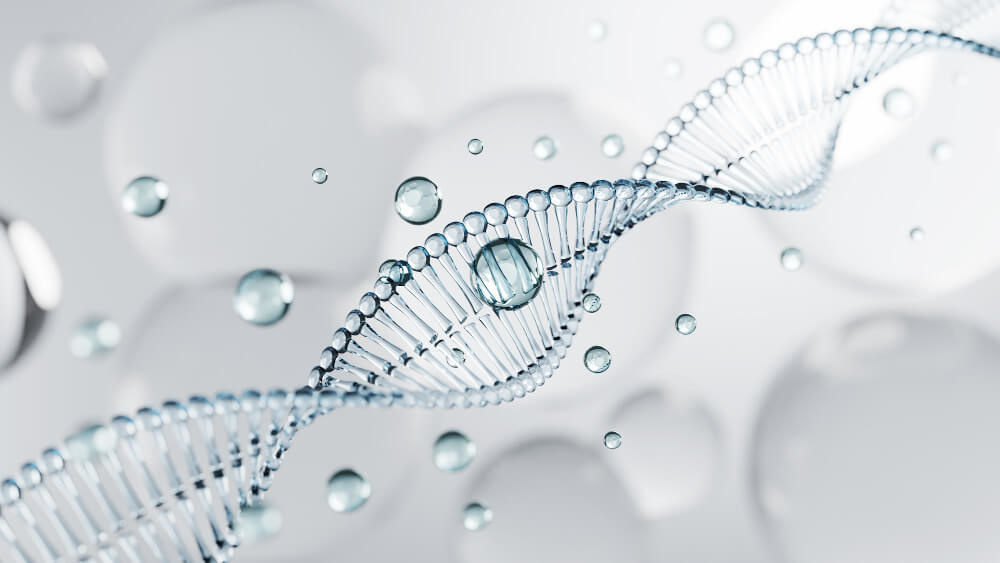
Yes, one of the most powerful aspects of longevity medicine is its use of advanced diagnostics that go far beyond a standard annual physical. The goal is to create a high-resolution snapshot of your current health and predict your future risks with incredible accuracy. This data forms the bedrock of your personalized health plan.
This process often starts with comprehensive blood analysis that looks at hundreds of biomarkers, not just a handful. It assesses everything from inflammatory markers and nutrient levels to detailed hormone panels and metabolic function indicators. This gives a clear picture of what is happening inside your body right now.
Genetic testing is another key tool. While your genes are not your destiny, they can reveal predispositions to certain conditions. Knowing if you carry a gene like APOE4, which increases the risk for Alzheimer’s, allows you to take aggressive, targeted preventive measures early on.
Perhaps the most cutting-edge tool is the epigenetic clock. Epigenetics refers to modifications to your DNA that turn genes ‘on’ or ‘off’. These change over time based on your lifestyle and environment. Epigenetic clocks can measure your biological age, which may be older or younger than your chronological age, and provide direct feedback on how well your lifestyle interventions are working to slow the aging process.

How Does Nutrition Impact How We Age?
Nutrition is arguably the most influential lever you can pull to affect your healthspan. What you eat directly impacts inflammation, cellular health, hormone balance, and your gut microbiome, all of which are central to the aging process. Longevity-focused nutrition moves away from one-size-fits-all diets and toward a personalized eating strategy.
Based on your diagnostic results, a plan might focus on controlling blood sugar and insulin levels, which are key drivers of metabolic disease. This could involve strategies like reducing processed carbohydrates and sugar, or incorporating practices like intermittent fasting or time-restricted eating. These methods can give your body a rest from constant digestion and activate cellular cleanup processes called autophagy.
Another focus is on nutrient density. This means prioritizing whole, unprocessed foods that are rich in vitamins, minerals, phytonutrients, and fiber. A diet rich in colorful vegetables, lean proteins, healthy fats, and complex carbohydrates provides the building blocks your body needs to repair damage and function optimally.
Ultimately, the goal is to find a sustainable way of eating that reduces inflammation, supports a healthy gut, provides stable energy, and maintains a healthy body composition. It’s about fueling your body for resilience and vitality, not just for survival.

Why Is Exercise a Powerful Longevity Tool?
If there were a single intervention that could be bottled and sold as a longevity drug, it would be exercise. Its benefits are profound and wide-ranging, touching nearly every system in the body. A smart exercise protocol is non-negotiable for anyone serious about extending their healthspan.
One of the most critical goals of a longevity exercise plan is the preservation of muscle mass. As we age, we naturally lose muscle in a process called sarcopenia, which leads to frailty, metabolic dysfunction, and an increased risk of falls. Resistance training, using weights, bands, or your own bodyweight, is the single most effective way to combat this and build a strong, resilient physique.
Cardiovascular health is another cornerstone. While any movement is good, specific types of cardio training are particularly beneficial. Zone 2 training, which involves exercising at a low to moderate intensity where you can still hold a conversation, is excellent for improving mitochondrial efficiency. Your mitochondria are the power plants of your cells, and keeping them healthy is vital for energy and overall health.
Finally, a complete program must also include a focus on stability and mobility. This ensures that you maintain your range of motion, have good balance, and can continue to move freely and without pain as you get older. The ability to get up off the floor easily is a surprisingly strong predictor of longevity.
Is Rest and Recovery Just as Important as a Workout?
Absolutely. In a culture that often glorifies constant hustle, it is easy to overlook the critical importance of rest, sleep, and stress management. These are not passive activities; they are active processes essential for repair, regeneration, and long-term health. You cannot build a strong healthspan without a solid foundation of recovery.
Sleep is when your body and brain perform most of their essential maintenance. During deep sleep, your body repairs tissues, your immune system recharges, and your brain clears out metabolic waste products, including amyloid plaques linked to Alzheimer’s disease. Chronic sleep deprivation accelerates the aging process by disrupting hormones, increasing inflammation, and impairing cognitive function.
Managing psychological stress is equally important. Chronic stress keeps your body in a constant ‘fight or flight’ state, flooding it with the hormone cortisol. Over time, high cortisol levels can lead to weight gain, insulin resistance, immune suppression, and damage to brain cells. Practices like meditation, deep breathing, yoga, or spending time in nature can help regulate your stress response and protect your body from its harmful effects.
Prioritizing recovery is not a sign of weakness; it is a sign of a smart and sustainable health strategy. It is the yin to the yang of exercise and daily activity, creating the balance needed for true, lasting vitality.
What Role Does Preventive Care Play in a Long, Healthy Life?
Longevity medicine is, in many ways, the ultimate evolution of preventive healthcare. It takes the foundational principles of prevention and supercharges them with advanced science and a deeply personalized approach. To understand longevity medicine, it helps to first appreciate the established importance of standard preventive care.
So, what is preventive care in the traditional sense? It’s the collection of health services designed to prevent illnesses or detect them at an early, more treatable stage. This includes routine checkups, immunizations, and screenings for common conditions.
These established preventive health services are an essential part of any health strategy. They provide a safety net, catching major diseases like cancer, diabetes, and heart disease before they become life-threatening. Longevity medicine builds upon this foundation, it does not replace it.
For example, a core part of prevention is understanding risk factors for major diseases. Gaining knowledge about cancer causes and prevention can empower you to make lifestyle choices that significantly lower your risk. Similarly, gender-specific screenings are vital. Regular and comprehensive well-woman care, for instance, is critical for early detection of gynecological and breast cancers, ensuring better outcomes.
Longevity medicine takes this a step further by not just screening for disease, but by optimizing the underlying biological systems to make the body more resistant to disease in the first place. It is the difference between checking for smoke and fire-proofing the entire house.
What Are Some of the Advanced Interventions in Longevity Medicine?
While lifestyle pillars form the foundation, longevity medicine also employs a range of advanced interventions. These are typically recommended after thorough diagnostic testing reveals a specific need or biological target. These therapies are not for everyone and should always be pursued under the guidance of a knowledgeable practitioner.
These interventions are designed to directly target the hallmarks of aging. They represent the cutting edge of medical science, turning our growing understanding of aging biology into practical therapies that can enhance healthspan.

How Do Hormones Affect the Aging Process?
Hormones are powerful chemical messengers that regulate countless bodily functions, from metabolism and mood to energy levels and libido. As we age, the production of key hormones like testosterone, estrogen, progesterone, and DHEA naturally declines. This decline can contribute to many of the symptoms we commonly associate with aging, such as fatigue, weight gain, cognitive fog, and loss of muscle mass.
Hormone optimization therapy aims to restore these hormones to more youthful, optimal levels, not just ‘normal for your age’ levels. When done correctly and guided by detailed testing, this can have a transformative impact on quality of life. It can improve body composition, boost energy and mental clarity, and protect bone and cardiovascular health.
It is also essential to recognize that our daily choices have a massive effect on our endocrine system. Understanding the hormonal impact of lifestyle interventions is crucial, as improvements in diet, exercise, and stress can naturally support better hormone balance, often reducing the need for more direct intervention.

What Are Peptides and Supplements in a Longevity Context?
The world of supplements can be confusing, but in longevity medicine, supplementation is targeted and data-driven. Instead of a scattergun approach, supplements are used to correct specific deficiencies identified in blood work or to support particular biological pathways related to aging.
Common examples include NAD+ precursors like NMN or NR, which support cellular energy production and DNA repair. Others might include antioxidants like Coenzyme Q10 to protect mitochondria, or compounds like berberine or metformin to improve metabolic health and insulin sensitivity.
Peptides are another exciting area. These are short chains of amino acids that act as precise signaling molecules in the body. Different peptides have different functions, such as promoting tissue repair, reducing inflammation, or enhancing immune function. Because they are so specific, they can be a powerful tool for addressing particular issues identified through diagnostics.

Are There Cutting-Edge Pharmaceuticals Being Studied?
Yes, and this is where longevity medicine truly enters the realm of targeting aging at its source. Researchers have identified several key genetic pathways that control the rate of aging. One of the most studied is the mTOR pathway, which acts as a central regulator of cell growth and metabolism.
When we are young, mTOR is active and helps us grow. However, chronic activation of mTOR later in life can accelerate aging processes. Therefore, researchers are keenly interested in compounds that can gently inhibit this pathway. The most well-known of these is a drug called rapamycin.
Investigating the role of rapamycin and mTOR inhibitors is a major focus of longevity research. While still largely considered experimental for anti-aging purposes in humans, it has been shown to dramatically extend lifespan in numerous animal models. This line of research represents a paradigm shift toward developing pharmaceuticals that treat aging itself, not just its downstream diseases.

How Can Someone Get Started with Longevity Medicine?
Embarking on a longevity journey is an empowering decision to take control of your health’s trajectory. The first and most important step is to find a qualified healthcare provider who specializes in this field. Look for a clinician who is well-versed in functional or precision medicine and who has a deep understanding of the science of aging.
The field is growing rapidly, and dedicated practitioners are continually updating their knowledge. Many are pursuing advanced courses and certifications in longevity medicine to stay at the forefront of the latest research and clinical protocols. Working with a professional ensures that your plan is safe, effective, and truly personalized to you.
While you search for the right partner for your journey, you can begin today by focusing on the foundational pillars. Prioritize getting seven to nine hours of high-quality sleep each night. Clean up your diet by reducing sugar and processed foods. Start a consistent exercise routine that includes both strength training and cardiovascular work. Find a stress management practice that works for you.
Longevity is not about a single, dramatic change. It is about the accumulation of dozens of small, smart choices made consistently over time. It is a long-term investment in your most valuable asset: your health. By embracing this proactive mindset, you can change your future and add not just years to your life, but abundant life to your years.
Frequently Asked Questions
How can I tell if a new longevity study is credible or just media hype?
To determine a study’s credibility, first look at where it was published and who conducted the research. Reputable findings typically appear in high-impact, peer-reviewed journals such as Nature, Cell, or The New England Journal of Medicine. Check the credentials and affiliations of the authors; research from major universities and established institutions carries more weight than claims from commercial entities without transparent data.
Beyond the source, consider the nature of the study itself and be wary of sensational headlines. Look for details on the study’s design—was it a large-scale human trial or a preliminary study on mice or cells? A single study is rarely definitive proof, so look for consensus in the scientific community and whether other independent groups have replicated the findings.
I don’t have a science background; what’s the best way to start understanding technical longevity research?
The best approach is to start with the summaries before diving into the dense details of a research paper. Read the "abstract" first, as it provides a concise overview of the study’s purpose, methods, and main conclusions. Reputable science communicators, university press offices, and specialized health news sites are also excellent resources that translate complex research for a general audience.
As you become more comfortable, focus on understanding the core concepts rather than getting lost in every technical detail. Don’t hesitate to look up unfamiliar terms and gradually build your scientific vocabulary. Following experts who excel at breaking down complex topics on podcasts or newsletters can also make the learning process more accessible and engaging.

How should I decide which longevity findings are safe to apply to my own life?
The safest approach is to prioritize foundational health behaviors that are consistently validated by a large body of research, rather than chasing every new finding. These core pillars include a balanced diet, regular physical activity, quality sleep, and effective stress management. Emerging research often reinforces the importance of these fundamentals, making them the most reliable starting point for application.
Before adopting any novel or experimental strategy from a new study, it is crucial to discuss it with your healthcare provider. They can help you interpret the results in the context of your personal health history and distinguish between established protocols and preliminary findings. Avoid making significant changes based on a single study, especially if it wasn’t conducted on humans.
Discover the most comprehensive functional medicine training, longevity training, and biohacking certification programs designed specifically for healthcare professionals, medics, and clinic owners who want to master regenerative medicine protocols and anti-aging therapies.


