
Beyond Anti-Aging: What Is Longevity Medicine?
For centuries, humanity has been captivated by the idea of a longer life. We have searched for fountains of youth and secret elixirs, all in the hope of adding more years to our existence. But what if the goal was not just more years, but better years? What if we could extend the period of our lives spent in good health, free from chronic disease and full of vitality? This is the fundamental question at the heart of a revolutionary field of healthcare.
This emerging medical specialty is focused on extending healthspan, which is the duration of a person’s healthy life, rather than just lifespan. It represents a monumental shift from the traditional model of medicine, which often waits for sickness to appear before taking action. Instead, it uses a proactive, personalized, and data-driven approach to prevent age-related decline and optimize human performance at every stage of life.
At its core, Longevity Medicine is the science of living better for longer. It integrates cutting-edge diagnostics with personalized interventions in nutrition, exercise, and lifestyle to understand and address the root causes of aging. It is not about vanity or chasing eternal youth; it is about empowering individuals with the tools and knowledge to maintain their physical, cognitive, and emotional well-being for as long as possible.

What Makes Longevity Medicine Different from Traditional Healthcare?
Traditional or conventional medicine is often described as a ‘sick care’ system. Its primary focus is on diagnosing and treating diseases once they have already manifested. You feel unwell, you visit a doctor, you receive a diagnosis, and you get a prescription or a procedure to manage the symptoms. While this model is incredibly effective for acute illnesses and emergencies, it is less suited for preventing the slow, progressive decline associated with chronic, age-related conditions.
Longevity Medicine, on the other hand, operates on the principle of proactivity. It seeks to identify and mitigate risks long before they become full-blown diseases. It does not wait for the check engine light to come on; it performs regular, deep maintenance to ensure the engine runs smoothly for its entire operational life. This involves a fundamental change in perspective from treating illness to cultivating wellness.
Another key differentiator is personalization. While traditional medicine often applies standardized treatments based on population averages, longevity medicine recognizes that each person’s aging process is unique. It leverages advanced diagnostics like genetic testing, comprehensive biomarker analysis, and continuous monitoring to create a detailed picture of an individual’s specific biology. This high-resolution health data allows practitioners to design hyper-personalized interventions tailored to that person’s unique risks, goals, and lifestyle.
Ultimately, the goal is to move beyond simply managing symptoms. Longevity practitioners aim to understand the ‘why’ behind a person’s health status. Why is their inflammation high? Why is their metabolic health declining? By addressing these root causes, often years or even decades before they would typically lead to a diagnosis, longevity medicine offers a powerful strategy for preserving health and function over the long term.

What are the Foundational Pillars of a Longevity Strategy?
While advanced diagnostics and novel therapies are exciting, the entire practice of longevity medicine is built upon a solid foundation of well-established health principles. These are the non-negotiable pillars that provide the greatest return on investment for your healthspan. Mastering them is the essential first step on any longevity journey.

How Does Nutrition Impact Longevity?
Nutrition is arguably the most powerful lever you can pull to influence your health and aging trajectory. The food you eat provides the raw materials your body uses to build new cells, generate energy, and defend against damage. A longevity-focused diet prioritizes nutrient-dense, whole foods that reduce inflammation and support metabolic health.
This typically means a diet rich in colorful plants, high-quality proteins, and healthy fats. It also means minimizing or eliminating ultra-processed foods, refined sugars, and industrial seed oils, which are known drivers of chronic disease. Concepts like caloric restriction or time-restricted eating are also central to many longevity protocols. These practices can trigger powerful cellular cleanup processes, like autophagy, which help clear out damaged components and rejuvenate cells.
Why is Exercise Non-Negotiable for a Longer Healthspan?
If there were a single pill that could improve muscle mass, bone density, cardiovascular health, brain function, and mood, it would be the most prescribed drug in the world. That ‘pill’ is exercise. A consistent and well-rounded exercise regimen is critical for combating the physical decline associated with aging, a condition known as sarcopenia or age-related muscle loss.
The ideal longevity fitness plan includes a mix of different modalities. Strength training is crucial for maintaining muscle and metabolic health. Aerobic exercise, particularly Zone 2 cardio where you can hold a conversation, is vital for mitochondrial efficiency and cardiovascular endurance. Stability and mobility work are also important for preventing injury and maintaining functional movement as you age.

Can Sleep Really Extend Your Life?
Sleep is not a passive state of rest; it is an active period of intense biological restoration. During deep sleep, your body undertakes critical maintenance tasks that are essential for long-term health. The brain flushes out metabolic waste products, including amyloid plaques associated with Alzheimer’s disease. Hormones are regulated, memories are consolidated, and cells are repaired.
Chronic sleep deprivation disrupts these processes, leading to increased inflammation, impaired immune function, hormonal imbalances, and poor metabolic control. Prioritizing seven to nine hours of high-quality sleep per night is one of the most effective longevity interventions available. It is the time when your body’s own rejuvenation systems do their most important work.
How Does Stress Management Affect Aging?
While short-term stress can be beneficial, chronic psychological stress is a powerful accelerant of the aging process. Persistent stress keeps the body in a ‘fight or flight’ state, leading to elevated levels of the hormone cortisol. Over time, high cortisol can suppress the immune system, increase blood pressure, disrupt sleep, and drive cellular aging.
Effective stress management is therefore a core component of a longevity strategy. This can involve practices like mindfulness, meditation, deep breathing exercises, or spending time in nature. Strong social connections and a sense of purpose are also incredibly powerful buffers against the negative health impacts of stress. Managing your mental and emotional state is just as important as managing your physical body.

How Does Longevity Medicine Relate to Preventive Care?
Longevity medicine can be seen as the advanced evolution of a long-standing medical principle: prevention. For decades, healthcare has recognized the value of stopping disease before it starts. The field of preventive medicine is dedicated to promoting health and well-being and preventing disease, disability, and death. Longevity medicine shares this fundamental goal but expands upon it with more advanced tools and a greater focus on optimization.
Traditional prevention often focuses on population-wide recommendations like vaccinations, cancer screenings, and blood pressure checks. These are incredibly important public health measures. You can learn more about the standard preventive health services that form the baseline of a healthy life. They represent the first line of defense against common diseases and are a crucial starting point for anyone serious about their health.
The core idea of preventive health care is to be proactive rather than reactive. It involves making healthy lifestyle choices, getting regular checkups, and following medical advice to lower your risk of health problems. Longevity medicine takes this proactive stance to the next level by using deep, personalized data to create a strategy that is not just about avoiding disease but actively enhancing health and performance.
A major component of this is understanding and managing the risk factors for chronic conditions. Much of what is considered standard preventive care involves strategies to ward off conditions like type 2 diabetes and heart disease. Longevity medicine builds on this by examining the cellular mechanisms of aging that underlie these and other chronic illnesses, aiming to intervene at an even earlier stage.

What Advanced Tools and Biomarkers are Used?
To move beyond generic advice and create truly personalized health strategies, longevity medicine relies on a suite of sophisticated diagnostic tools. These technologies provide a high-definition view of an individual’s biology, allowing practitioners to identify subtle imbalances and future risks that would be missed by standard checkups.

What Can We Learn from Genetic Testing?
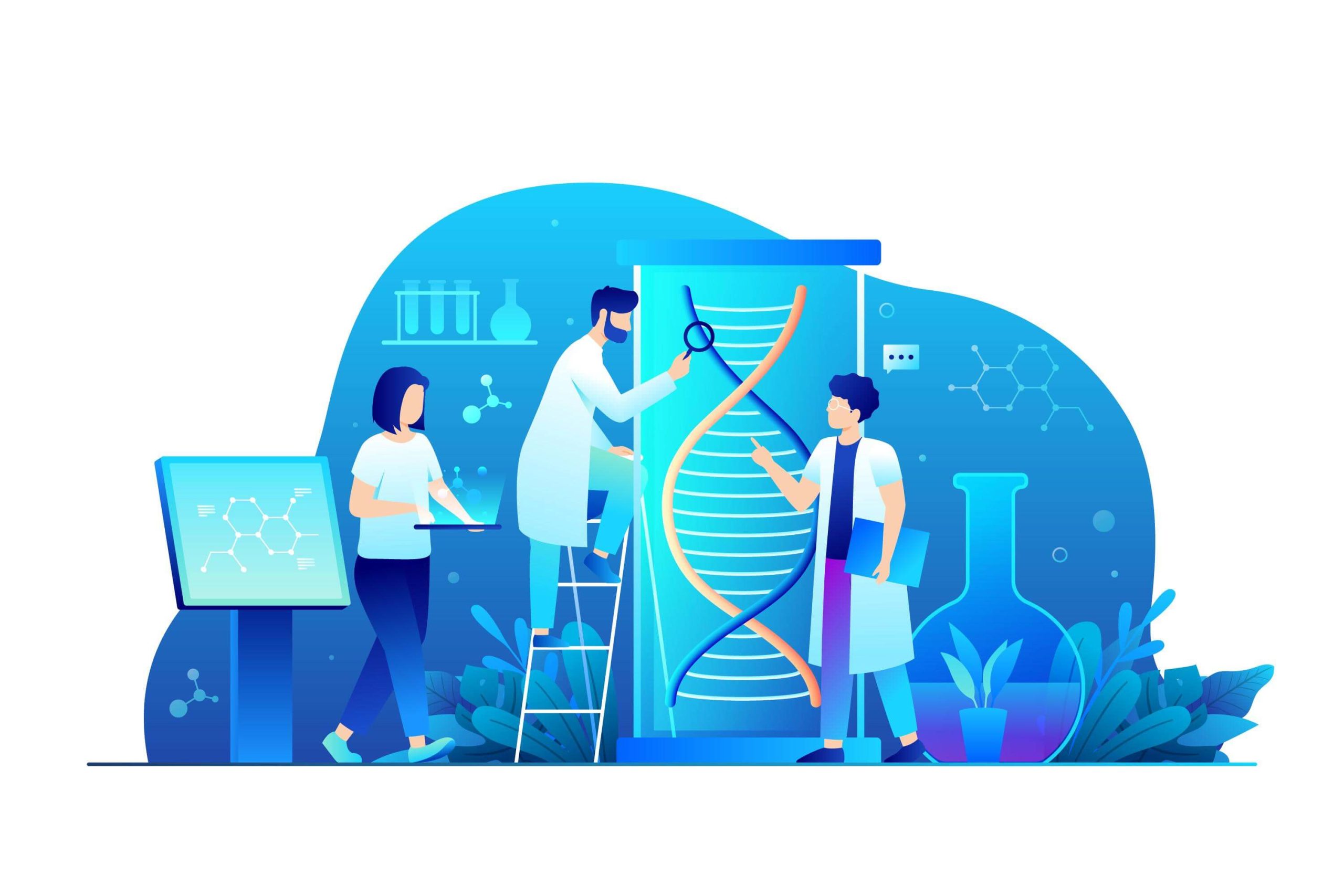
Your genome is your body’s unique instruction manual. While it does not seal your fate, it can reveal certain predispositions. Genetic testing can identify specific gene variants, like the APOE4 gene which is associated with an increased risk for Alzheimer’s disease, or BRCA variants linked to cancer risk. Knowing these predispositions allows for the implementation of highly targeted preventive strategies in nutrition, lifestyle, and screening to mitigate that specific risk.
Why is Continuous Glucose Monitoring Important?
Metabolic health is a cornerstone of longevity, and insulin resistance is a key driver of many age-related diseases. A continuous glucose monitor or CGM is a small, wearable sensor that tracks your blood sugar levels in real-time, 24/7. This provides invaluable feedback on how your body responds to different foods, exercise, stress, and sleep. It allows you to fine-tune your diet and lifestyle to maintain stable blood sugar, which is critical for preventing metabolic dysfunction and reducing inflammation.

What are Biological Age Clocks?
One of the most exciting developments in longevity science is the ability to measure biological age. While chronological age is simply how many years you have been alive, biological age reflects the true health and age of your cells and tissues. This is measured using epigenetic clocks, which analyze patterns of DNA methylation, a chemical tag on your DNA that changes with age.
These clocks can tell you if your body is aging faster or slower than your chronological age suggests. More importantly, they provide a powerful metric to track the effectiveness of longevity interventions. If your lifestyle changes are working, you should see your biological age slow down or even reverse over time, providing tangible proof of your progress.

What are the Next-Level Strategies in Longevity?
Once the foundational pillars are firmly in place and a deep diagnostic workup is complete, longevity medicine can deploy more advanced interventions. These strategies target the specific biological mechanisms of aging, known as the Hallmarks of Aging. The goal is not just to slow down the process but to actively repair damage and rejuvenate tissues at a cellular level.
These interventions require expert medical guidance and are at the forefront of health science. The focus is on developing advanced strategies for mitigating age-related chronic disease by targeting their root causes in the aging process itself. It is a complex field that merges deep biology with clinical practice.
Much of this work is centered on understanding and influencing the very processes that make cells old. For those interested in the deep science, exploring the science of cellular rejuvenation for doctors reveals how interventions like senolytics, which clear out dysfunctional ‘zombie’ cells, and autophagy enhancers are being used to turn back the clock on a cellular level.

What is the Role of NAD+?
Nicotinamide adenine dinucleotide, or NAD+, is one of the most critical molecules in your body. It is a coenzyme essential for hundreds of metabolic processes, including converting food into energy and repairing damaged DNA. Think of it as a crucial manager for your entire cellular workforce.
Unfortunately, NAD+ levels naturally decline by as much as 50 percent between the ages of 40 and 60. This decline is linked to many of the dysfunctions we associate with aging. Supplementing with NAD+ precursors, such as nicotinamide mononucleotide (NMN) or nicotinamide riboside (NR), is a popular strategy aimed at restoring youthful levels of this vital molecule, potentially improving energy, resilience, and cellular repair.
These precursors are often part of a broader protocol. Understanding how to support their efficacy is key, which involves combining NAD+ with other longevity interventions like sirtuin activators such as resveratrol or specific lifestyle factors to maximize the benefits and support the entire NAD+ metabolic cycle.
What About Metformin, Rapamycin, and Other Molecules?
Beyond supplements, certain pharmaceutical drugs are being studied for their powerful effects on aging pathways. Metformin, a common diabetes drug, is known to activate an enzyme called AMPK, which plays a role in metabolic regulation and is sometimes referred to as a ‘master metabolic switch’.
Rapamycin is another potent molecule that inhibits a pathway called mTOR. While mTOR is important for growth, its over-activation in adulthood is linked to accelerated aging. By gently inhibiting mTOR, rapamycin can promote cellular cleanup and has been shown to dramatically extend lifespan in animal models. It is important to note that using these drugs for longevity is considered off-label and requires the guidance of a knowledgeable physician due to potential side effects and the need for careful dosing.

How Can You Start Your Own Longevity Journey?
Embarking on a longevity journey is an empowering decision to take control of your healthspan. While the science can seem complex, the starting point is surprisingly simple and accessible to everyone. It begins not with expensive tests or exotic supplements, but with a commitment to mastering the fundamentals.
First, focus relentlessly on the four pillars: nutrition, exercise, sleep, and stress management. These lifestyle factors have the most profound impact on your long-term health and are entirely within your control. Clean up your diet, build a consistent exercise routine, prioritize your sleep, and find healthy ways to manage stress.
Once you have a solid foundation, the next step is to seek expert guidance. Find a clinician who is trained and experienced in functional or longevity medicine. They can help you move beyond the basics and into the world of personalized diagnostics. This will involve comprehensive blood work, and potentially genetic testing or other advanced assessments, to establish your unique health baseline.
With this data in hand, you and your practitioner can co-create a personalized and adaptable plan. This plan will evolve as your biology changes and as new research emerges. Longevity is not a one-time fix; it is a dynamic, lifelong process of learning, measuring, and optimizing. It is the ultimate investment in your most valuable asset: your health.
Frequently Asked Questions

How can I personally transition to a more proactive approach to my health?
A key first step is to establish a consistent relationship with a primary care physician, even when you feel perfectly healthy. Schedule regular check-ups and screenings based on your age and risk factors, using this time to discuss long-term wellness goals, not just immediate symptoms. Understanding your family’s medical history is also crucial, as it can highlight potential genetic predispositions you should monitor.
Beyond the clinic, you can actively engage with your own health data by monitoring key metrics like blood pressure, sleep patterns, and physical activity. Use this information to make informed daily choices about nutrition, exercise, and stress management. This personal accountability, combined with professional medical guidance, forms the foundation of a truly proactive health strategy.

What are the main challenges slowing the widespread adoption of proactive healthcare?
One of the most significant barriers is the traditional fee-for-service financial model that dominates many healthcare systems. This structure primarily reimburses medical providers for treating diseases and performing procedures, creating less financial incentive to invest time and resources in long-term preventative care. Shifting towards value-based care, which rewards positive health outcomes, is a complex but necessary change to overcome this obstacle.
Furthermore, there is a deep-seated cultural inertia among both patients and some practitioners who are accustomed to a reactive "fix-it" approach to health. Many people only seek medical attention when they are sick, and changing this mindset requires a massive effort in public health education and a reorientation of medical training. It involves teaching individuals the importance of prevention and equipping doctors with the tools to effectively guide patients toward sustained wellness.

What role does technology play in the shift towards preventative health?
Technology is a powerful enabler of proactive prevention, primarily by making personal health data more accessible and understandable. Wearable devices, such as smartwatches and fitness trackers, continuously monitor vital metrics like heart rate, sleep quality, and activity levels. This constant stream of information empowers individuals to see the direct impact of their lifestyle choices and can provide early warnings of potential health issues.
Beyond personal gadgets, advancements like telehealth and AI are revolutionizing preventative care on a broader scale. Telehealth platforms make it easier for individuals to consult with healthcare professionals for preventative advice without the barrier of a physical visit. Meanwhile, AI can analyze vast datasets to identify at-risk populations and help providers develop personalized prevention plans, making proactive strategies more efficient and effective.
Discover the most comprehensive functional medicine training, longevity training, and biohacking certification programs designed specifically for healthcare professionals, medics, and clinic owners who want to master regenerative medicine protocols and anti-aging therapies.