
Biohacking Clinic: Your Ultimate Guide to Optimizing Human Potential
The term ‘biohacking’ might conjure images of tech billionaires with futuristic gadgets or Silicon Valley enthusiasts engaging in extreme self-experimentation. While that’s one facet of the movement, a more accessible, powerful, and medically-guided version has emerged. This evolution is found in the modern biohacking clinic, a place where science, technology, and medicine converge to help you take control of your own biology.
Forget the one-size-fits-all approach to health. A biohacking clinic operates on the principle of radical personalization. It uses in-depth data about your unique body, from your genes to your blood markers, to create a roadmap for optimal performance, enhanced longevity, and a greater sense of well-being. It’s about moving beyond simply treating sickness and instead proactively building a more resilient, energetic, and optimized version of yourself.
These centers are at the forefront of a paradigm shift in healthcare. They are moving from a reactive model, where you wait for symptoms to appear, to a proactive one focused on prevention and enhancement. It’s a journey of discovery, empowering you with the tools and knowledge to fine-tune your body and mind for years to come.

What Exactly is a Biohacking Clinic?
So what separates a professional biohacking clinic from do-it-yourself health experiments? The key difference lies in medical supervision, advanced technology, and a foundation built on data. Think of it as a health optimization center that combines the diagnostic precision of a medical lab with the cutting-edge therapies of a wellness spa, all guided by qualified healthcare professionals.
Unlike a traditional doctor’s office that primarily diagnoses and treats disease, a biohacking clinic focuses on the entire spectrum of human health, including the space between ‘not sick’ and ‘truly thriving’. The goal isn’t just to extend your lifespan but to improve your healthspan, the period of your life spent in good health, free from chronic disease and limitations.
At its core, a biohacking clinic is an N-of-1 experimental lab where you are the subject, and the goal is your personal peak performance. Everything is measured, tracked, and analyzed. The process is iterative, meaning your health plan evolves as your body responds and as new data becomes available. This creates a dynamic and highly personalized path to achieving your health goals.

What Kinds of Services Can You Find at a Biohacking Clinic?
The menu of services at a biohacking clinic can seem extensive and even futuristic. These therapies are designed to target specific biological pathways to reduce inflammation, boost cellular energy, enhance cognitive function, and promote recovery. They are often used in combination to create a synergistic effect, amplifying the benefits of each individual treatment.
Can You Upgrade Your Nutrition and Supplementation?
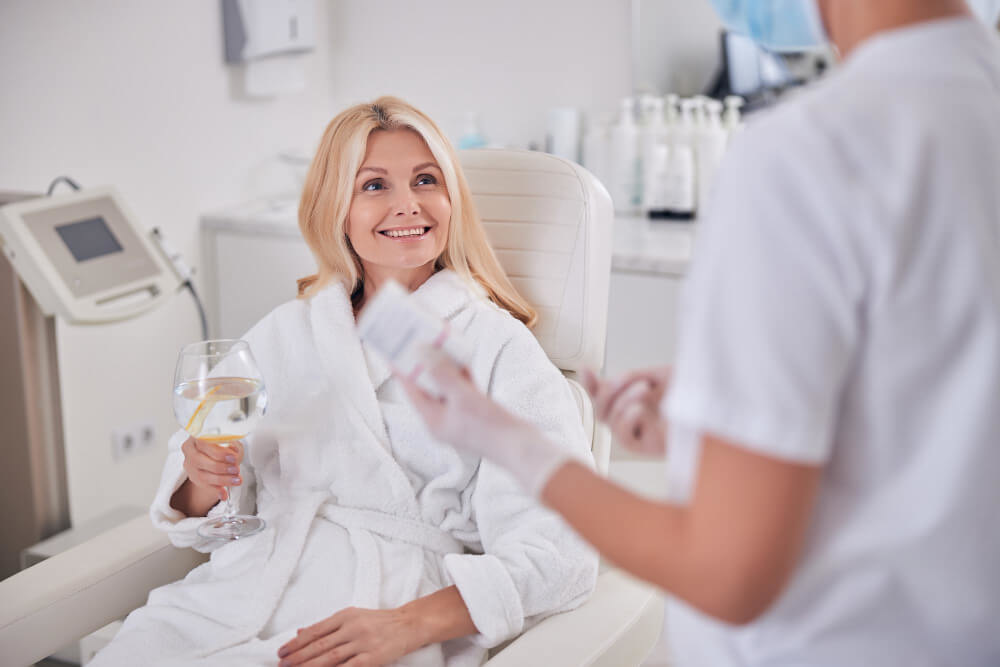
Personalized nutrition is a cornerstone of biohacking. Clinics move far beyond generic dietary advice. They use detailed blood analysis and sometimes genetic testing to understand precisely what nutrients your body needs and what foods you may be sensitive to. This data informs a tailored nutritional protocol designed to optimize your energy, mood, and metabolic health.
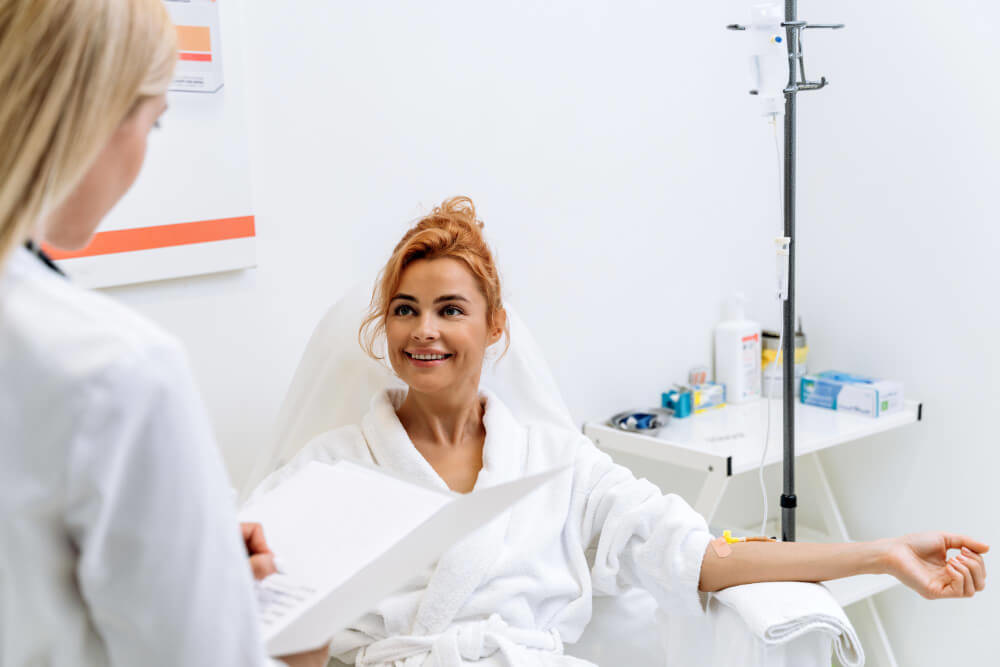
Intravenous (IV) therapy is another popular service. This method delivers a high concentration of vitamins, minerals, antioxidants, and amino acids directly into your bloodstream, bypassing the digestive system for 100% absorption. Common IV drips include high-dose Vitamin C for immune support, glutathione for detoxification, and NAD+ for cellular energy and repair.
Are There Therapies for Physical Recovery and Performance?
For physical optimization, clinics offer a range of powerful tools. Cryotherapy involves exposing the body to extremely cold temperatures for a few minutes. This process is believed to reduce inflammation, accelerate muscle recovery, and boost metabolism. It’s a favorite among athletes for its ability to get them back to training faster.
On the opposite end of the temperature spectrum are infrared saunas. Unlike traditional saunas that heat the air around you, infrared saunas use light to heat your body directly. This deeper penetration can help with detoxification through sweat, improve circulation, and promote relaxation. Red light therapy, or photobiomodulation, uses specific wavelengths of red and near-infrared light to stimulate mitochondrial function, enhancing cellular energy production, reducing inflammation, and aiding in tissue repair.
Hyperbaric oxygen therapy (HBOT) is another advanced treatment. It involves breathing pure oxygen in a pressurized chamber. This environment allows your lungs to gather significantly more oxygen, which is then distributed throughout your body. Increased oxygen saturation can promote healing, fight infection, and support brain health.

How Is Brain Health Addressed?
Cognitive enhancement is a major focus. Many clinics utilize neurofeedback, a type of therapy that uses real-time displays of brain activity to teach self-regulation of brain function. By receiving feedback through visual or auditory cues, you can learn to retrain your brainwaves to improve focus, reduce anxiety, and enhance cognitive performance.
Some centers also offer technologies like transcranial magnetic stimulation (TMS) or provide guidance on the strategic use of nootropics, or ‘smart drugs’. This is always done under strict medical supervision to ensure safety and efficacy, personalizing cognitive strategies to your unique brain chemistry and goals.
What Advanced Diagnostics Can You Expect?
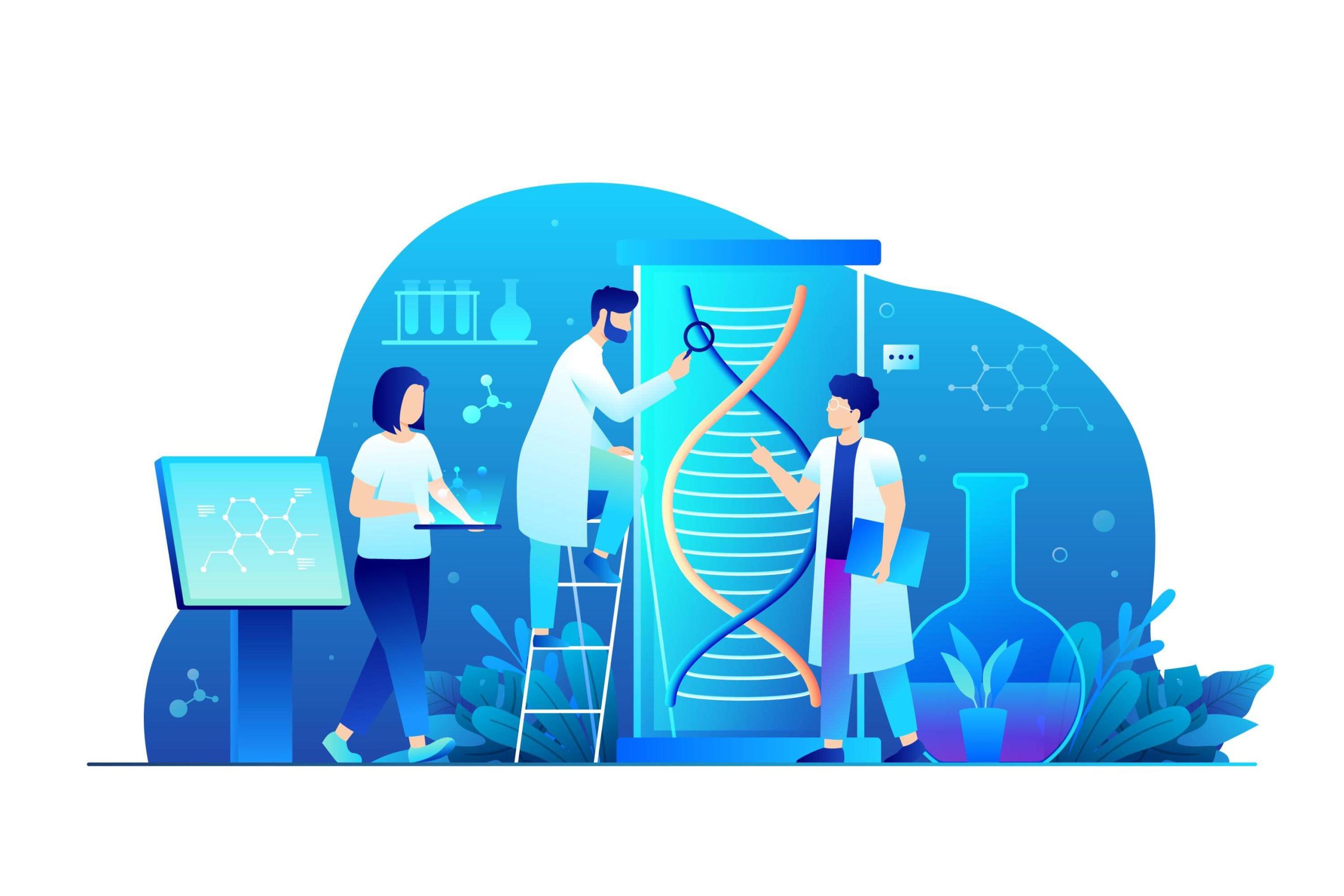
The entire biohacking process is fueled by data. Clinics use diagnostic tools that go far beyond what you’d get at a standard physical. This includes comprehensive blood panels that look at hundreds of biomarkers, from inflammatory markers and hormone levels to micronutrient status and metabolic indicators.
Genetic testing can reveal predispositions to certain conditions and provide insights into how your body processes nutrients and medications. Microbiome analysis, which examines the trillions of bacteria in your gut, can offer a window into your digestive health, immune function, and even your mood. Some elite centers, inspired by the work of pioneers like Human Longevity, Inc., may even offer advanced imaging like full-body MRIs to proactively screen for disease long before symptoms arise.

How Does the Biohacking Process Actually Work?
Embarking on a journey with a biohacking clinic typically follows a structured and methodical process. It begins with a deep dive into your current state of health, your personal history, and your specific goals. Do you want more energy, better sleep, sharper focus, or to run a marathon? Your objectives define the strategy.
The next step is comprehensive data collection. This is the diagnostic phase where the clinic gathers all the raw information needed to build your profile. This includes the blood work, genetic tests, and physical assessments mentioned earlier. This phase establishes your unique biological baseline.
With this data in hand, the clinical team, which may include doctors, nutritionists, and health coaches, collaborates to design your personalized protocol. This isn’t just a list of supplements; it’s a holistic plan that may incorporate dietary changes, specific therapies, exercise recommendations, and stress management techniques. The plan is explained to you in detail, ensuring you understand the ‘why’ behind each recommendation.
Finally, you enter the implementation and iteration phase. You begin the protocol, and the clinic continuously monitors your progress. This is a dynamic feedback loop. Your plan is adjusted based on how you feel and what subsequent data shows, ensuring you are always on the most effective path toward your goals.
How Is Personal Data Used in Biohacking?
Continuous data tracking is fundamental to modern biohacking. Wearable technology provides a constant stream of information about your body’s performance in the real world. Devices like the WHOOP strap track key metrics like heart rate variability (HRV), resting heart rate, sleep quality, and daily strain. This data offers invaluable insights into your recovery status and your body’s response to stress and exercise.
Continuous glucose monitors (CGMs), once reserved for diabetics, are now used by health optimizers to see in real-time how different foods and activities affect their blood sugar levels. Understanding your personal glucose response is a powerful tool for managing energy, weight, and long-term metabolic health. All of this data is integrated into your health profile, allowing for precise, data-driven adjustments to your plan.
How Does Genetics Influence Biohacking?
Genomics has opened a new frontier in personalized medicine. Your genetic makeup can influence everything from your risk of certain diseases to how you metabolize caffeine or whether you are better suited for endurance or power-based exercise. A biohacking clinic uses this information not as a deterministic sentence, but as a personalized instruction manual.
For instance, knowing you have a genetic variant that impairs your ability to process B vitamins might lead to a recommendation for a specific, more bioavailable form of that supplement. This level of personalization, offered by platforms like Wild Health, ensures that interventions are tailored to your unique biology, increasing their effectiveness and reducing guesswork. It’s about working with your genetic predispositions, not against them.
What Kind of Gut Health Therapies Are Available?
Increasingly, science is revealing the profound importance of the gut microbiome for overall health. The trillions of microbes in your digestive tract influence your immune system, nutrient absorption, inflammation levels, and even your mental health through the gut-brain axis. A biohacking clinic often places a strong emphasis on optimizing gut health.
This begins with advanced stool testing to analyze the composition of your microbiome. Based on the results, a plan is created to restore balance. This may involve eliminating inflammatory foods, introducing specific prebiotics to feed beneficial bacteria, and using targeted probiotics. The approach is highly specific, as a physicians guide to strain specific probiotic therapy explains, moving beyond generic probiotics to use particular strains to achieve desired health outcomes.
Who Are the Experts Behind These Clinics?
A reputable biohacking clinic is not run by amateurs. It is staffed by a multidisciplinary team of credentialed professionals who are passionate about preventative and performance medicine. The team is typically led by a medical doctor, often one with a background in functional or integrative medicine, who oversees all clinical protocols and ensures patient safety.
Working alongside the physician, you might find registered dietitians or nutritionists who specialize in therapeutic diets and personalized nutrition planning. Health coaches play a crucial role in helping you implement the plan, providing accountability, and navigating the lifestyle changes required for success. In more advanced clinics, you may even find data scientists who help interpret complex biological data and exercise physiologists who design optimal fitness regimens.
Who Are the Pioneers in This Field?
The rise of biohacking clinics is built on the work of visionary doctors and scientists who have challenged the conventional medical model. These thought leaders have championed a data-driven, preventative, and personalized approach to health for years. Their research and public advocacy have paved the way for these ideas to become more mainstream.
Figures like Dr. Peter Attia have been instrumental in popularizing the concept of ‘Medicine 3.0’, which focuses on longevity and healthspan. The detailed, science-backed approach advocated by Peter Attia MD and others has provided a strong intellectual framework for the services offered in these clinics. They have demonstrated that a rigorous, scientific approach can be applied to health optimization, not just disease treatment.

How Do You Choose a Reputable Biohacking Clinic?
With the growing popularity of biohacking, new clinics are opening regularly. However, not all are created equal. Choosing the right one is critical for your safety and for achieving your desired results. The first thing to look for is medical oversight. A legitimate clinic will have a licensed medical doctor on staff who is actively involved in patient care.
Transparency is another key factor. The clinic should be open about the science behind their therapies, the potential risks and benefits, and the costs involved. They should be willing to answer all of your questions and provide you with the evidence supporting their recommendations. Be wary of any center that makes grandiose promises or guarantees specific results.
Finally, look for a focus on personalization and data. A top-tier clinic will not offer cookie-cutter packages. They will insist on comprehensive diagnostics before making any recommendations and will have a clear process for tracking your progress and adjusting your plan over time. Your health journey is unique, and your clinic’s approach should reflect that.
What Makes a Biohacking Clinic Trustworthy?
Trust is built on a foundation of professionalism, safety, and ethics. A trustworthy clinic prioritizes patient well-being above all else. This means using therapies that have a solid basis in scientific research and adhering to the highest safety standards for all procedures, from IV drips to hyperbaric oxygen therapy.
The qualifications of the staff are paramount. The professionals guiding your health should have legitimate credentials and experience in their respective fields. Understanding how to start a legitimate biohacking clinic reveals the complex interplay of medical licensing, safety protocols, and evidence-based practices required to operate responsibly. This insight helps you appreciate the standards a good clinic must meet.

Are These Clinics a Passing Fad or a Sustainable Business?
While some of the technology may seem novel, the underlying principle of proactive, personalized healthcare is here to stay. The demand for such services is growing as more people become educated about health and seek to take a more active role in their own well-being. The global wellness market is expanding rapidly, and biohacking clinics are a significant part of that growth.
The question of are biohacking clinics legal and profitable is one that potential founders and informed consumers alike consider. The answer points towards a sustainable and expanding industry, provided clinics operate ethically and within medical guidelines. As the focus in society continues to shift from sickness to wellness, these clinics are well-positioned to become a mainstream part of the healthcare landscape.

What Is the Future of Personalized Health?
The biohacking clinic of today is just the beginning. The future of personalized health will be even more integrated, intelligent, and accessible. Artificial intelligence will play a larger role in analyzing vast datasets to identify subtle patterns and predict health outcomes with even greater accuracy. Imagine an AI health assistant that constantly monitors your biosensor data and provides real-time recommendations to optimize your day.
Biosensors will become smaller, more powerful, and less invasive, providing a continuous, high-fidelity stream of data about our internal biochemistry. This will allow for an unprecedented level of real-time health management. The therapies themselves will also continue to evolve, with advancements in fields like regenerative medicine, gene editing, and cellular reprogramming potentially moving from the lab into the clinic.
Ultimately, the vision is a future where your annual check-up isn’t about looking for what’s wrong, but about analyzing your data to chart a course for an even healthier, more vibrant year ahead. The biohacking clinic is the prototype for this new model of healthcare, one that empowers individuals with the knowledge and tools to become the chief executive officer of their own health.
Frequently Asked Questions

Does a standard medical malpractice policy cover biohacking services?
A standard medical malpractice policy is often insufficient for the unique services offered at a biohacking clinic. These traditional policies are underwritten based on established, evidence-based medical procedures, and they may contain exclusions for treatments considered experimental or alternative. Services like peptide therapy, nootropic infusions, or advanced red light therapy can fall into a gray area that a standard insurer might refuse to cover in the event of a claim.
Therefore, it is crucial to seek out specialized insurance designed for wellness, integrative, or alternative medicine practices. This type of policy is tailored to cover the specific modalities you offer, ensuring there are no dangerous gaps in your coverage. Be prepared to provide your insurer with detailed information about every service, your staff’s training, and the protocols you follow to secure appropriate professional liability protection.
How do ‘off-label’ or experimental procedures affect my clinic’s insurance and liability?
Offering experimental or ‘off-label’ procedures significantly increases your clinic’s liability exposure and can make obtaining insurance more difficult and costly. Insurers view these services as high-risk because they lack the extensive clinical data and standardized protocols that accompany conventional treatments. This absence of a proven track record means the potential for unexpected side effects or adverse outcomes is higher, which translates directly to a greater risk of a lawsuit.
You must be completely transparent with your insurance provider about any and all experimental services you offer, as failure to disclose them could void your policy entirely. Furthermore, your legal defense in a potential lawsuit will heavily rely on impeccable documentation and an ironclad informed consent process. This process must explicitly state the treatment’s novel nature, its unproven status, and all potential risks involved.
Beyond insurance, what is the most important step to protect my biohacking clinic from a lawsuit?
The single most critical step to protect your clinic is implementing a robust and thorough informed consent process. This goes far beyond simply having a client sign a form; it is your primary tool for managing expectations and demonstrating that clients understood the risks they were undertaking. Your consent documents must clearly detail the specific procedure, its intended benefits, all known potential risks, and any available alternatives.
A truly effective process involves a documented conversation where the practitioner explains these elements and the client has ample opportunity to ask questions. Consider having clients initial key paragraphs that outline specific risks or acknowledge the experimental nature of a treatment. This creates a powerful record that the client was a knowledgeable and willing participant, which can be an invaluable defense against claims of negligence or failure to warn.
Discover the most comprehensive functional medicine training, longevity training, and biohacking certification programs designed specifically for healthcare professionals, medics, and clinic owners who want to master regenerative medicine protocols and anti-aging therapies at Talking Longevity.