Andropause Training: A Man’s Guide to Reclaiming Vitality and Strength
It often starts subtly. That afternoon slump feels more like hitting a wall. The motivation to hit the gym or start a new project just isn’t there like it used to be. Maybe you’ve noticed a little extra softness around your middle, despite your diet not changing much. These aren’t just random signs of getting older; they could be signals of a specific physiological shift known as andropause.
Often called ‘male menopause’, andropause refers to the age-related decline in testosterone and other hormones in men. Unlike female menopause, which is a more defined event, andropause is a gradual process that can affect men’s energy, mood, and physical health over many years. Understanding this transition is the first step toward managing it effectively and continuing to live a vibrant, powerful life.
Navigating this phase requires the right knowledge and a proactive strategy, for both the men experiencing it and the healthcare professionals guiding them. Comprehensive Andropause training provides a framework for identifying symptoms and implementing effective, personalized protocols. It empowers individuals to take control of their health journey with confidence.

What Exactly Is Andropause?
Think of andropause not as a sudden stop, but as a slow turning down of a dimmer switch. Starting around age 30, a man’s testosterone levels can begin to decline by about one percent per year. For many years, this change is unnoticeable. However, by the time a man reaches his late 40s or 50s, the cumulative effect of this decline can lead to a constellation of symptoms that impact his quality of life.
This hormonal shift is a normal part of aging, but its effects can vary dramatically from one person to another. Factors like genetics, diet, exercise levels, and overall health play a significant role in how and when andropause symptoms manifest. The key is recognizing that these changes are rooted in physiology and are not a personal failing or something to be ignored.
Because the onset is so gradual, many men mistakenly attribute their symptoms to stress, a poor diet, or simply the inevitable consequence of aging. They might think feeling tired all the time is just ‘how it is’ after 40. While aging does bring changes, the significant drop in vitality associated with andropause is something that can and should be addressed with a targeted approach.

What Are the Common Signs and Symptoms?
The symptoms of andropause are wide-ranging and can affect a man’s physical, mental, and emotional well-being. Recognizing them is the first crucial step toward seeking help and making positive changes. They are often interconnected, creating a cycle that can be difficult to break without a clear understanding of the root cause.

Are There Physical Symptoms to Watch For?
Yes, the physical signs are often the most noticeable. A primary complaint is persistent fatigue and a general lack of energy that isn’t resolved by a good night’s sleep. Many men also experience a decrease in muscle mass and strength, making workouts feel harder and recovery longer. Simultaneously, they may see an increase in body fat, particularly visceral fat around the abdomen, which is a risk factor for other health issues.
Other physical symptoms can include reduced bone density, which increases the risk of fractures, as well as physical changes like thinning hair or dry skin. Some men might also experience hot flashes or increased sweating, similar to symptoms experienced by women during menopause. These physical shifts can be discouraging and impact a man’s self-image and confidence.
What About Emotional and Cognitive Changes?
Andropause doesn’t just affect the body; it has a profound impact on the mind. Mood swings, irritability, and a general feeling of apathy or sadness are very common. The ‘get-up-and-go’ that once defined a man’s personality can seem to fade, replaced by a lack of motivation and enthusiasm for activities that were once enjoyable.
Cognitive function can also be affected. Many men report experiencing ‘brain fog’, which includes difficulty concentrating, memory lapses, and a general feeling of mental slowness. This can be particularly frustrating at work and in personal life, leading to feelings of inadequacy and stress, which can further exacerbate the hormonal imbalance.

Does Andropause Affect Sexual Health?
Sexual health is often one of the most sensitive and impactful areas affected by declining testosterone. A reduced libido, or sex drive, is one of the hallmark symptoms of andropause. This isn’t just a matter of desire; it can also manifest as erectile dysfunction or difficulty maintaining an erection.
The quality of erections may also decline, and many men notice a decrease in spontaneous morning erections. These changes can cause significant distress and create tension in romantic relationships. It’s important to understand that these are physiological symptoms, not a reflection of one’s attraction to a partner, and they are often highly responsive to treatment.

Why Is Testosterone So Important for Men?
Testosterone is often pigeonholed as the ‘sex hormone’, but its role in a man’s body is far more extensive. It is a powerful anabolic hormone that influences everything from body composition to brain function. Understanding its broad impact helps clarify why a decline can cause such a wide array of symptoms.
This crucial hormone is a key regulator of muscle mass and strength. It signals the body to synthesize protein and build lean tissue. It also plays a vital role in maintaining bone mineral density, protecting against osteoporosis later in life. Furthermore, testosterone influences how the body stores fat, and healthy levels help keep a man lean and metabolically fit.
Beyond the physical, testosterone has a significant effect on the central nervous system. It helps regulate mood, maintain cognitive sharpness, and foster a sense of well-being and competitiveness. It is intrinsically linked to a man’s drive, confidence, and overall zest for life. When levels are optimal, a man feels energetic, focused, and capable.
How Does Testosterone Decline During Andropause?
The decline is a multifaceted process. The primary mechanism is a decrease in the production of testosterone by the testes. This is a natural, age-related process. However, other factors can accelerate this decline or worsen its effects. For instance, levels of Sex Hormone Binding Globulin (SHBG) tend to increase with age.
SHBG is a protein that binds to testosterone in the bloodstream, rendering it inactive. This means that even if a man’s ‘total’ testosterone level seems adequate, his ‘free’ testosterone, the usable portion, might be quite low. This is a critical distinction that must be made when evaluating hormone status.
Additionally, the body’s entire hormonal system is interconnected. Chronic stress elevates the hormone cortisol, which has an inverse relationship with testosterone. High cortisol levels can suppress testosterone production. Similarly, an enzyme called aromatase can convert testosterone into estrogen in the body. Higher body fat levels are associated with increased aromatase activity, further depleting free testosterone while raising estrogen levels, which can contribute to symptoms.
Can Exercise Help Manage Andropause Symptoms?
Exercise is one of the most powerful non-medical tools for combating the effects of andropause. It can directly and indirectly support healthier hormone levels while mitigating many of the most common symptoms like muscle loss, fat gain, and low energy. The right kind of training sends a potent signal to the body to fight back against the hormonal decline.
Specifically, strength training and high-intensity exercise have been shown to be particularly effective. These activities stimulate muscle growth, improve insulin sensitivity, and can provide a natural boost to testosterone production. A well-structured fitness plan is a cornerstone of any effective andropause management strategy. For men looking for specific routines, exploring the best strength training workouts for men over 40 can provide an excellent starting point.
Lifting weights, particularly with compound movements like squats, deadlifts, and presses, places a demand on the body that encourages an anabolic, or muscle-building, response. This not only helps preserve precious muscle mass but also revs up the metabolism to help burn fat. Understanding the relationship between exercise and testosterone is key to designing a program that maximizes hormonal benefits and helps you feel stronger and more energetic.

What Diet Is Best for a Man Experiencing Andropause?
Nutrition provides the fundamental building blocks for hormone production. A diet filled with processed foods, sugar, and unhealthy fats can worsen andropause symptoms by promoting inflammation and fat gain. Conversely, a nutrient-dense diet can provide the body with everything it needs to optimize its remaining hormone production.
Focus on a diet rich in whole foods. This includes lean proteins from sources like chicken, fish, and eggs, which provide the amino acids needed for muscle repair. Healthy fats are also critical, as cholesterol is a precursor to testosterone. Sources like avocados, olive oil, nuts, and seeds should be a regular part of your diet.
Certain micronutrients are especially important. Zinc, found in shellfish, meat, and seeds, is essential for testosterone synthesis. Vitamin D, which is technically a pro-hormone, also plays a crucial role. Many men are deficient in these key nutrients. Following a holistic approach that includes diet, exercise, and other lifestyle factors is the most effective way to learn how to increase testosterone naturally and support your body through this transition.
How Do Stress and Sleep Affect Hormones?
Modern life is filled with chronic stressors, and this takes a heavy toll on male hormones. When you are stressed, your body releases cortisol. In an acute ‘fight or flight’ situation, this is helpful. But when stress is chronic, elevated cortisol levels can wreak havoc by actively suppressing testosterone production. Managing stress is not a luxury; it’s a necessity for hormonal health.
Sleep is equally critical. The majority of your daily testosterone release occurs during sleep, particularly during the deep, restorative phases. Consistently skimping on sleep, or having poor quality sleep due to issues like sleep apnea, directly sabotages your hormone levels. Aiming for seven to nine hours of quality sleep per night is one of the most effective things you can do.
Implementing stress-reduction techniques like meditation, deep breathing exercises, or spending time in nature can help lower cortisol. Prioritizing a consistent sleep schedule and creating a relaxing bedtime routine can dramatically improve sleep quality. These two lifestyle factors are foundational to any successful andropause management plan.

When Should a Man See a Doctor About These Symptoms?
If lifestyle interventions like diet, exercise, and stress management aren’t providing enough relief, or if the symptoms are significantly impacting your quality of life, it’s time to consult a healthcare professional. Don’t hesitate to seek medical advice for issues like persistent fatigue, severe mood changes, or sexual dysfunction. These are legitimate medical concerns that deserve proper attention.
It is vital to find a doctor or clinic that specializes in hormone health and longevity. A practitioner with a deep understanding of andropause will look beyond just a single testosterone number and evaluate your health holistically. They will understand the nuances of symptoms and testing and can guide you toward the most appropriate and effective interventions. The journey to feeling better often starts with a single, informed conversation with the right expert.

What Kind of Testing Is Involved?
A thorough diagnosis of andropause requires comprehensive blood work. A doctor will likely start by testing your total and free testosterone levels. However, a complete picture requires more than that. A full hormone panel should also include estradiol, SHBG, Luteinizing Hormone (LH), and Follicle-Stimulating Hormone (FSH) to understand how the entire endocrine system is functioning.
Beyond hormones, a forward-thinking clinician will assess your overall metabolic health. Andropause is linked to an increased risk of cardiovascular disease and metabolic syndrome. Therefore, a complete evaluation requires a deep dive into your health markers. This is why specialized [training for interpreting advanced cardiometabolic panels](https://talkinglongevity.com/training-for-interpreting-advanced-cardiometabolic-panels/) is so crucial for practitioners. This advanced testing looks at inflammation, insulin resistance, and lipid particle size, giving a much clearer picture of your long-term health risks.

What Are the Medical Treatment Options?
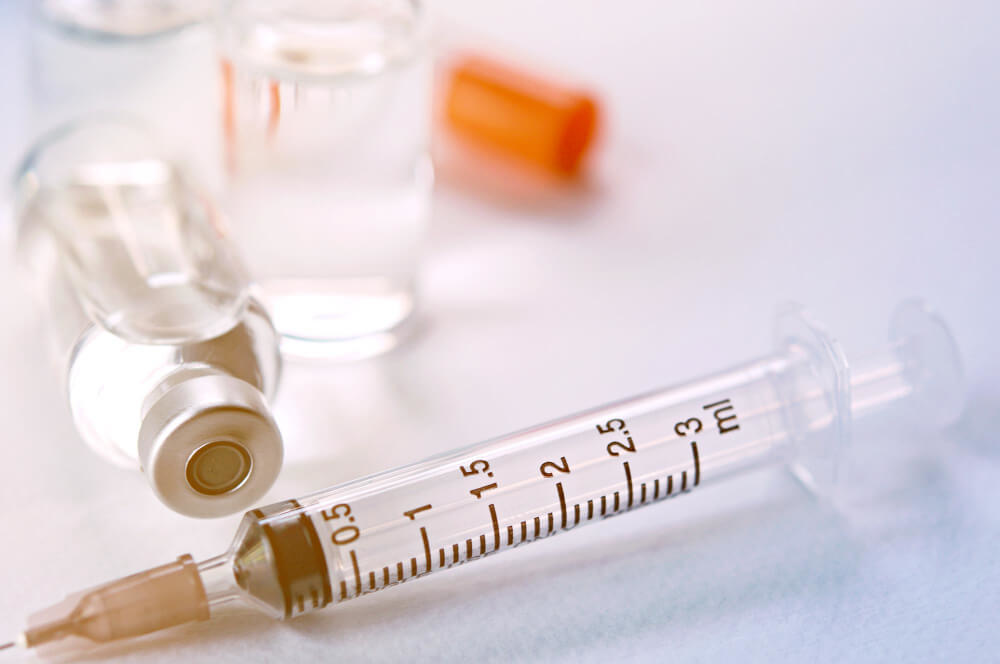
When lifestyle changes are insufficient, medical treatments can be highly effective. The primary medical intervention for andropause is Testosterone Replacement Therapy (TRT). TRT involves supplementing the body with bioidentical testosterone to bring levels back to a healthy, youthful range. It can be administered via injections, gels, creams, or pellets.
TRT can lead to dramatic improvements in energy, mood, muscle mass, and libido for men with clinically low testosterone. However, it is a serious medical decision that requires careful consideration and expert supervision. It’s not a ‘one-size-fits-all’ solution, and a patient’s health must be monitored closely. For a balanced overview of the topic, it can be helpful to read what established institutions say about male menopause and its treatments.
Effective and safe treatment hinges on the expertise of the prescribing physician. They must operate based on the latest evidence and best practices. Patients should feel empowered to ask if their doctor is familiar with the current [clinical guidelines for treating andropause](https://talkinglongevity.com/clinical-guidelines-for-treating-andropause/) to ensure they receive the highest standard of care. Because this is a specialized field, it’s beneficial when clinicians have specific education, such as [Testosterone Replacement Therapy (TRT) training for GPs](https://talkinglongevity.com/testosterone-replacement-therapy-trt-training-for-gps/), which equips them to manage therapy safely and effectively, personalizing treatment plans to each man’s unique physiology.
Andropause is a significant life transition, but it doesn’t have to mean a decline in your quality of life. By understanding the symptoms, embracing proactive lifestyle changes, and seeking expert medical guidance when needed, you can manage this phase and continue to thrive. It is a chapter of life that, when navigated with knowledge and intention, can lead to a renewed sense of health, strength, and vitality for years to come.
Frequently Asked Questions
What are the early warning signs of high hematocrit on TRT, and when should I contact my doctor?
Early warning signs of elevated hematocrit, or erythrocytosis, can be subtle and easily mistaken for other issues. You might experience persistent headaches, dizziness, unusual fatigue, or shortness of breath during minor physical exertion. Some men also notice a flushed, reddish complexion or experience ringing in the ears (tinnitus).
You should contact your doctor if you experience any of these new or worsening symptoms while on testosterone replacement therapy. While regular blood tests are the only definitive way to measure hematocrit levels, these physical signs can be an important indicator that an earlier check-up is needed. Never attempt to self-diagnose or treat; prompt communication with your healthcare provider is crucial for adjusting your protocol safely.

Is it possible to lower my estrogen too much while on TRT, and what are the risks?
Yes, it is entirely possible and quite common to lower estrogen (estradiol) levels too much, a condition often referred to as "crashed estrogen." This typically occurs from the overuse of aromatase inhibitors (AIs), which are prescribed to control the conversion of testosterone to estrogen. Estradiol is vital for men’s health, playing a key role in regulating libido, mood, cognitive function, and joint health.
The risks associated with excessively low estrogen are significant and can negatively impact your quality of life. Symptoms include severe joint pain, low to non-existent libido, erectile dysfunction, extreme fatigue, anxiety, and depression. The goal of TRT management is not to eliminate estrogen but to maintain it within an optimal range, making careful, physician-guided use of AIs essential for well-being.

Can lifestyle changes alone effectively manage high hematocrit and estrogen, or is medical intervention always necessary?
Lifestyle changes are a critical foundation for managing TRT side effects and can be highly effective for minor elevations. For hematocrit, staying thoroughly hydrated and engaging in regular cardiovascular exercise can help manage blood viscosity. For estrogen, maintaining a lower body fat percentage is crucial, as fat tissue is a primary site of estrogen conversion.
However, while these strategies are beneficial, they are often insufficient on their own, especially when levels become significantly elevated. Medical interventions—such as adjusting your TRT dosage or injection frequency, therapeutic phlebotomy (donating blood) for hematocrit, or using an aromatase inhibitor for estrogen—are often necessary for precise and safe control. The most effective approach combines proactive lifestyle habits with a carefully managed medical protocol supervised by your doctor.
Discover the most comprehensive functional medicine training, longevity training, and biohacking certification programs designed specifically for healthcare professionals, medics, and clinic owners who want to master regenerative medicine protocols and anti-aging therapies.