
The Future of Health: Your Guide to Longevity Medicine
For centuries, humanity has searched for a fountain of youth, a mythical source of eternal life. While that remains in the realm of fantasy, a new medical frontier is turning the core concept into a scientific reality. This field is not about immortality, but something far more valuable and attainable: extending the years of our life spent in good health. This is the central promise of a revolutionary approach to healthcare.
This emerging specialty is a proactive, data-driven discipline focused on understanding and optimizing the biological processes of aging. Instead of waiting for age-related diseases to appear and then treating them, it seeks to delay, prevent, or even reverse their onset. The goal is to align our lifespan, the total number of years we live, with our healthspan, the years we live free from disease and disability. This paradigm shift redefines what it means to grow older, focusing on vitality and function over mere survival.
At its heart, longevity medicine combines principles from preventative, functional, and regenerative medicine. It uses advanced diagnostics, genetic insights, and personalized interventions to create a comprehensive roadmap for each individual’s health journey. This is not a one-size-fits-all approach; it is the ultimate expression of personalized healthcare, tailored to your unique biology and lifestyle.

What Is the Difference Between Healthspan and Lifespan?
To truly grasp the mission of longevity medicine, it is crucial to understand the distinction between healthspan and lifespan. Lifespan is simple: it is the total number of years from birth to death. For the past century, advancements in public health and medicine have successfully increased the average human lifespan across the globe.
Healthspan, however, is a more nuanced and arguably more important metric. It refers to the period of life spent in good health, free from the chronic diseases and disabilities that often accompany aging. Think of it as the number of years you live with vitality, independence, and a high quality of life.
Unfortunately, for many people, there is a growing gap between their lifespan and their healthspan. They may live into their 80s or 90s, but the last one or two decades are often burdened by conditions like heart disease, diabetes, neurodegenerative disorders, and arthritis. The goal of longevity medicine is to close this gap, adding life to our years, not just years to our life.

How Does Longevity Medicine Differ from Traditional Healthcare?
Traditional, or conventional, medicine is often described as a ‘sick care’ system. It excels at treating acute illnesses, injuries, and established diseases. If you have a bacterial infection or a broken bone, this system is incredibly effective. Its primary focus is reactive; it responds to symptoms and diagnoses once a disease process is already underway.
Longevity medicine, by contrast, is fundamentally proactive and preventative. It operates on the principle that it is better to prevent the fire than to fight it. It views aging not as an inevitable decline but as a modifiable process with identifiable root causes. While a traditional doctor might prescribe medication for high blood pressure, a longevity specialist seeks to understand why the blood pressure is high in the first place, looking at factors like genetics, diet, stress, and cellular health.
This approach involves a much deeper level of investigation. It utilizes advanced diagnostics that go far beyond a standard physical, including comprehensive blood panels, genetic testing, epigenetic clocks, and microbiome analysis. The aim is to build a complete picture of an individual’s health at a molecular level to identify risks and imbalances long before they manifest as disease.

What Role Does Prevention Play?
Prevention is the cornerstone of the entire philosophy. It is a multi-layered strategy that can be broken down into primary, secondary, and even tertiary stages, all viewed through a high-performance lens. Primary prevention aims to stop a health issue from ever occurring. This involves optimizing lifestyle factors like nutrition, exercise, sleep, and stress management based on personalized data.
Secondary prevention focuses on early detection. This is where the advanced diagnostic tools become so powerful. By identifying biomarkers that indicate a subtle shift away from optimal health, practitioners can intervene to correct the course before a full-blown disease develops. For example, identifying rising insulin resistance years before a type 2 diabetes diagnosis allows for targeted interventions to restore metabolic health.
Tertiary prevention, in the context of longevity, involves managing existing conditions to prevent complications and improve function, effectively slowing or halting disease progression. It is about optimizing health and vitality even in the presence of a chronic condition, thereby maximizing healthspan. Ultimately, every aspect of longevity medicine is an act of sophisticated, personalized prevention.
What Are the Biological Hallmarks of Aging?
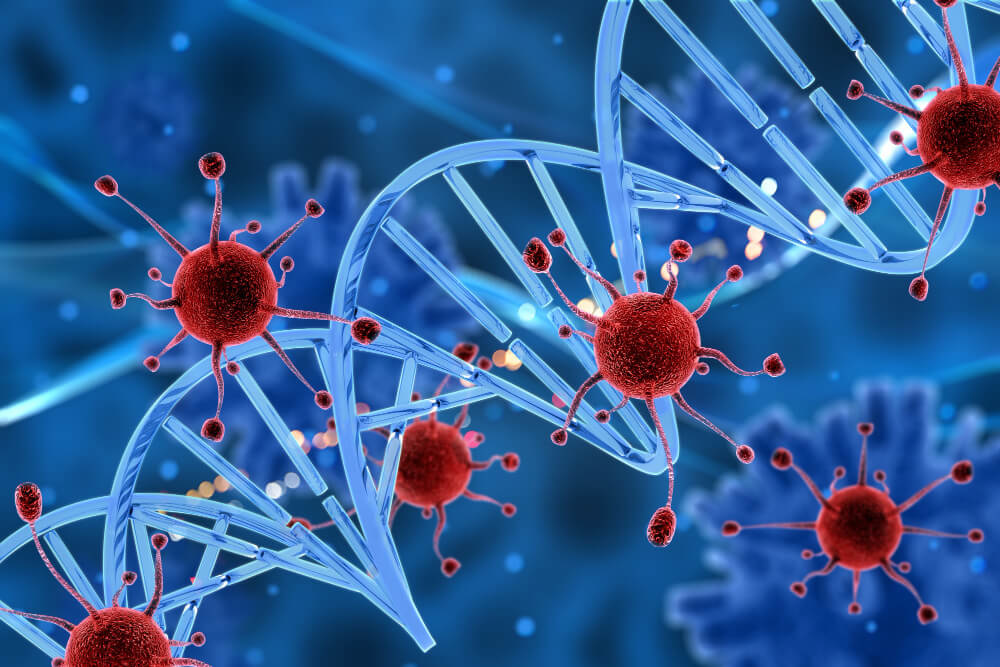
In 2013, a landmark scientific paper identified nine key biological processes that are considered the ‘hallmarks of aging’. These are the fundamental cellular and molecular mechanisms that drive the aging process. Understanding them is central to developing targeted anti-aging therapies. Longevity medicine aims to address these hallmarks directly.
These hallmarks include genomic instability, which refers to the accumulation of damage to our DNA over time. Telomere attrition is another, describing the progressive shortening of the protective caps at the ends of our chromosomes. Epigenetic alterations are changes to how our genes are expressed, without changing the DNA sequence itself. These alterations can be influenced by lifestyle and environment.
Other hallmarks are loss of proteostasis, which is the inability of cells to maintain a healthy balance of proteins; deregulated nutrient sensing, where cells lose their ability to properly respond to nutrients; and mitochondrial dysfunction, the decline in the energy-producing powerhouses of our cells. Cellular senescence, where cells stop dividing and enter a ‘zombie-like’ state, releasing inflammatory signals, is also a key driver of aging.
Finally, the list includes stem cell exhaustion, which depletes the body’s regenerative capacity, and altered intercellular communication, leading to increased inflammation and hormonal imbalances. By targeting these specific pathways, longevity medicine seeks to slow the aging process at its source.
Can We Really Reverse Aging at a Cellular Level?
While the idea of reversing aging sounds like science fiction, incredible progress is being made in this area. The focus is on rejuvenation, not immortality. This involves interventions that can restore youthful function to aging cells and tissues. Research into cellular reprogramming, for example, has shown that it is possible to turn adult cells back into young, versatile stem cells in a laboratory setting.
Therapies are being developed to target the hallmarks of aging directly. Senolytics are a class of drugs designed to clear out senescent cells, which has been shown to improve healthspan in animal models. Other interventions focus on boosting mitochondrial function, lengthening telomeres, or correcting epigenetic drift. The science of cellular rejuvenation is a rapidly advancing field, moving from theoretical models to practical applications that may soon become available in clinical settings.

How Do Genetics and Epigenetics Fit In?
Our genes play a definite role in our longevity potential. Certain genetic variations can predispose us to a longer life or to specific age-related diseases. Genetic testing can provide valuable insights into these predispositions, allowing for a more targeted preventative strategy. However, genetics are not destiny.
This is where epigenetics comes in. The epigenome is a layer of chemical tags on our DNA that acts like a set of switches, turning genes on or off. Unlike our DNA sequence, which is mostly fixed, our epigenome is dynamic and can be influenced by our choices. Diet, exercise, stress, sleep, and environmental exposures all send signals that can change our epigenetic patterns.
Longevity medicine leverages this understanding. By optimizing lifestyle factors, we can positively influence our epigenome to express a healthier, more youthful genetic profile. Epigenetic ‘clocks’ are even being used to measure biological age, which can be a more accurate indicator of health than chronological age. This provides a powerful metric to track the effectiveness of longevity interventions.

What Is Functional Medicine and How Does It Relate?
Longevity medicine shares a significant amount of its DNA with another patient-centered approach. Many people wonder about the connection between it and functional medicine, and the two are indeed closely related and highly compatible. Functional medicine is a systems-biology-based approach that focuses on identifying and addressing the root cause of disease.
Like longevity medicine, it asks ‘why’ a person is ill, not just ‘what’ disease they have. It views the body as an interconnected web of systems and recognizes that one imbalance can have ripple effects throughout the body. A functional medicine practitioner will conduct a deep dive into a patient’s history, genetics, and lifestyle to understand the unique factors contributing to their health status.
Longevity medicine can be seen as an extension or specialization of functional medicine. It applies the same root-cause-analysis principles specifically to the process of aging. While functional medicine might focus on resolving a current chronic condition, longevity medicine uses those same tools to prevent future conditions and optimize the body for a maximum healthspan. Both reject the disease-centric model in favor of a patient-centric, health-oriented one.

What Are the Latest Breakthroughs in Longevity Research?
The field of longevity is one of the most exciting and rapidly evolving areas of scientific research. Every year brings new discoveries that deepen our understanding of aging and open up new therapeutic possibilities. This progress is driven by dedicated institutions around the world.
Organizations like The Buck Institute for Research on Aging are solely devoted to studying the biology of aging. Their work spans from fundamental molecular research to the development of interventions aimed at extending healthspan. They explore everything from the role of diet to the potential of novel pharmaceuticals.
Academic medical centers are also establishing dedicated programs. For example, the Johns Hopkins Center for Transformative Geriatric Research focuses on translating scientific discoveries about aging into clinical practices that can improve the lives of older adults. These research hubs are critical for validating new therapies and ensuring they are safe and effective for human use.

How Is the World Responding to an Aging Population?
The push towards healthier aging is not just an individual pursuit; it is a global imperative. Populations are aging worldwide, which presents both challenges and opportunities for societies and healthcare systems. Recognizing this, major global health organizations are shifting their focus.
The World Health Organization, for instance, has launched a major global collaboration. This initiative, known as the Decade of Healthy Ageing, runs from 2021 to 2030. Its goal is to foster longer and healthier lives by bringing together governments, scientists, healthcare professionals, and the public to improve the lives of older people, their families, and their communities.
This global focus underscores the importance of the work being done in longevity medicine. As our understanding of how to promote healthy aging grows, it has the potential to not only enhance individual lives but also to create more sustainable and resilient healthcare systems for future generations.

What Can You Expect from a Longevity-Focused Doctor?
A visit to a longevity-focused clinic is a distinctly different experience from a typical doctor’s appointment. The initial consultation is often much longer and more in-depth, covering every aspect of your health, history, and lifestyle in meticulous detail.
The first step is comprehensive data collection. This goes far beyond standard blood work. You can expect advanced biomarker analysis measuring hundreds of variables related to inflammation, metabolic health, hormones, and nutrient levels. It will likely include genetic testing to understand your predispositions and epigenetic testing to assess your biological age.
Based on this wealth of data, the practitioner will create a highly personalized plan. This is not a generic prescription but a detailed roadmap for health optimization. It will include precise recommendations for nutrition, a tailored exercise regimen, a sleep hygiene protocol, stress management techniques, and a targeted supplement schedule. The plan is a living document, continuously adjusted based on follow-up testing to track progress and ensure the interventions are working.

How Do Doctors Explain These Complex Topics?
One of the greatest challenges and responsibilities for a practitioner in this field is translating complex science into actionable advice for patients. Discussing concepts like mitochondrial dysfunction or epigenetic alterations can be daunting for someone without a scientific background. Therefore, a key skill for any longevity doctor is clear and effective communication.
They must act as both a scientist and a coach, breaking down intricate biological processes into understandable analogies and practical steps. The ability to explain the ‘why’ behind each recommendation is crucial for patient adherence and empowerment. Learning how to communicate complex longevity science to patients is a core competency, ensuring that individuals become active, informed partners in their own health journey.
This educational role is ongoing. A good longevity practitioner empowers you with knowledge about your own body, helping you understand the data from your tests and the impact of your lifestyle choices. The goal is for you to become the CEO of your own health, with the doctor serving as your expert advisor.
What Makes a Longevity Clinic Successful?
From a patient’s perspective, a successful longevity clinic is one that delivers measurable results and provides an exceptional experience. This requires more than just scientific expertise; it demands a well-designed operational structure. The most effective clinics are built on a foundation of deep personalization and continuous data monitoring.
They integrate various modalities, from medical doctors and nutritionists to health coaches and exercise physiologists, to provide holistic support. Technology plays a huge role, using advanced software to track patient data and wearable devices to gather real-time lifestyle information. Efficient and clear communication, as mentioned, is paramount.
Behind the scenes, the viability of these practices depends on robust systems. The development of sustainable and successful business models for a longevity-focused medical clinic is essential for the field to grow and become more accessible. A well-run clinic ensures that practitioners can focus on what matters most: helping patients achieve their health goals.
Longevity medicine represents a profound shift in how we approach health and aging. It moves us from a reactive model of treating sickness to a proactive model of building and maintaining wellness. By harnessing the power of data, science, and personalized interventions, it offers a tangible path to not just a longer life, but a healthier, more vibrant one. This is the future of medicine, and it is available today.
Frequently Asked Questions
Which NAD+ precursor, NMN or NR, is more effective for clinical use?
The debate over the superiority of nicotinamide mononucleotide (NMN) versus nicotinamide riboside (NR) is ongoing within the scientific community. Both are effective precursors that have been shown to increase NAD+ levels in the body, but they follow slightly different molecular pathways. Some research suggests that the larger NMN molecule must first convert into NR to enter cells, while other studies point to the existence of a specific NMN transporter, suggesting it can be used directly.
Ultimately, the "more effective" precursor may depend on the specific therapeutic goal and individual physiology, as research is still evolving. NR currently has a longer history of human clinical trials and established safety data, which is a significant factor in clinical settings. As more comparative human studies are published, a clearer picture will emerge, but for now, both are considered viable options for boosting NAD+ levels.
Are NAD+ precursors only for anti-aging, or are they being studied for specific diseases?
While often marketed for general anti-aging and wellness, the clinical interest in NAD+ precursors extends far beyond these applications. Researchers are actively investigating their therapeutic potential for a range of specific diseases linked to metabolic stress and cellular decline. Key areas of study include neurodegenerative disorders like Parkinson’s and Alzheimer’s disease, where supporting neuronal energy and health is critical.
Furthermore, significant research is focused on metabolic conditions such as obesity, fatty liver disease, and type 2 diabetes, as NAD+ is essential for proper metabolic function. There is also promising evidence for their role in protecting against acute kidney injury and improving cardiovascular health. In these contexts, the goal is not just "anti-aging" but using NAD+ replenishment as a targeted therapy to support cellular resilience and function during disease.
How do I know if I need NAD+ supplementation and what is a safe dosage?
Determining a personal "need" for NAD+ supplementation can be complex, as NAD+ levels naturally decline with age, and there isn’t a standard diagnostic test for deficiency in a clinical setting. The decision to supplement is often based on age-related goals or as a supportive therapy for specific health conditions under medical supervision. It is crucial to consult with a healthcare provider before beginning supplementation, as they can help assess if it aligns with your health objectives and is safe with any existing conditions or medications.
Dosages used in clinical studies vary significantly, typically ranging from 250 mg to over 1,000 mg per day, depending on the precursor and the condition being studied. There is no one-size-fits-all "safe" dosage, and self-prescribing is not recommended. A medical professional can provide guidance on an appropriate starting dose and help monitor for efficacy and any potential side effects, ensuring a safe and targeted approach.
Discover the most comprehensive functional medicine training, longevity training, and biohacking certification programs designed specifically for healthcare professionals, medics, and clinic owners who want to master regenerative medicine protocols and anti-aging therapies.