Regenerative Medicine: Unlocking Your Body’s Ultimate Healing Potential
Imagine a world where your body could heal itself from the inside out. Instead of just managing symptoms, what if we could repair the root cause of injury and disease? This is not a distant dream from science fiction; it is the tangible promise of a rapidly advancing field of healthcare that is changing how we approach healing and longevity.
This revolutionary approach is a branch of medicine focused on harnessing the body’s own powerful, innate ability to repair, replace, and regenerate damaged cells, tissues, and organs. It represents a fundamental shift away from traditional treatments that often mask problems or provide temporary relief. The core idea is to work with the body’s systems to restore normal function, offering hope for conditions once considered chronic or untreatable.
The potential applications are vast, touching everything from orthopedic injuries to chronic diseases and the very processes of aging. As we explore the science behind this paradigm shift, it becomes clear that the future of health is not just about extending lifespan, but enhancing healthspan. Understanding the core principles of regenerative medicine is the first step toward appreciating its profound impact on human wellness.
How does regenerative medicine actually work?
At its heart, regenerative medicine operates on a simple yet profound principle: empowering the body to heal itself. When you get a small cut, your body naturally orchestrates a complex healing cascade. It sends signaling molecules, recruits repair cells, and rebuilds the damaged tissue. Regenerative therapies aim to amplify and direct this natural process, especially in situations where the body’s response is insufficient on its own.
Think of it as providing the body with the right tools and instructions at the right time. This can involve introducing a concentrated dose of healing cells to an injury site, providing a scaffold for new tissue to grow upon, or using biological signals to guide the repair process. The goal is not just to patch a problem but to rebuild functional, living tissue that integrates seamlessly with the body.
This approach is fundamentally different from conventional medicine. A traditional painkiller might block pain signals, but it does not fix the underlying cartilage damage in an arthritic knee. A regenerative treatment, by contrast, would aim to help the body regenerate that very cartilage, addressing the problem at its source and potentially restoring long-term function.

What are the foundational tools of this field?
Regenerative medicine relies on a sophisticated toolkit derived directly from the body’s own biological systems. The three main pillars of this field are cells, signals, and scaffolds. Each plays a unique and cooperative role in the healing and regeneration process.
Cells, particularly stem cells, are the primary builders. These are unique, unspecialized cells that have the remarkable ability to develop into many different cell types in the body. They act as an internal repair system, dividing essentially without limit to replenish other cells as long as the person is still alive.
Signals are the instructions that tell these cells what to do. These are often growth factors, cytokines, and other proteins that orchestrate the complex dance of healing. They can attract repair cells to an area of damage, instruct them to multiply, and guide them to form the correct type of tissue.
Scaffolds provide the structural support for new tissue to grow. These are biocompatible materials, sometimes made from natural substances like collagen, that create a framework. Cells can attach to this framework, multiply, and organize themselves into a functional tissue, like new cartilage, bone, or skin.
What are stem cells and why are they so important?
Stem cells are the cornerstone of regenerative medicine, often described as the body’s ‘master cells’. Their defining characteristic is that they are undifferentiated, meaning they have not yet become a specific type of cell like a skin cell, muscle cell, or nerve cell. This blank-slate status gives them incredible therapeutic potential.
They possess two key properties. First, they can self-renew, meaning they can divide and make more stem cells. Second, they can differentiate, or mature, into specialized cells under the right conditions. This makes them the ultimate resource for repairing and replacing tissues that have been damaged by injury, disease, or age.
There are different types of stem cells, but one of the most studied and used in clinical practice is the mesenchymal stem cell, or MSC. These are adult stem cells found in bone marrow, fat tissue, and umbilical cord tissue. They are not only capable of differentiating into bone, cartilage, and fat cells, but they are also powerful signaling hubs. They release a host of anti-inflammatory and regenerative factors that create a healing environment, calming inflammation and recruiting the body’s own local repair cells to the site of injury.

How are stem cells used in treatments?
In a clinical setting, stem cells are used to kickstart the body’s repair mechanisms in areas where healing has stalled. For orthopedic conditions like osteoarthritis, a physician might inject a concentration of a patient’s own MSCs into the affected joint. The goal is for these cells to reduce inflammation, signal cartilage cells to repair themselves, and potentially differentiate into new cartilage cells to replace what has been lost.
Beyond orthopedics, research is exploring the use of stem cells for a wide range of conditions, including autoimmune diseases like multiple sclerosis and Crohn’s disease, neurodegenerative disorders like Parkinson’s, and recovery from heart attack or stroke. The anti-inflammatory and immune-modulating properties of MSCs are particularly promising for these systemic conditions.
The field is constantly evolving, with new discoveries and clinical trials expanding our understanding of what is possible. For anyone interested in the foundational science and public information surrounding these therapies, a great deal of information is available from reputable sources. Organizations like EuroStemCell provide excellent resources for patients and the public to learn more about the science behind stem cells.

What is Platelet-Rich Plasma (PRP) therapy?
Platelet-Rich Plasma, or PRP, is another key regenerative therapy that uses the healing power of a patient’s own blood. Blood is composed of several components, including red cells, white cells, plasma, and platelets. While platelets are best known for their role in clotting, they are also tiny powerhouses packed with hundreds of growth factors and signaling proteins.
PRP therapy involves drawing a small amount of the patient’s blood and spinning it in a centrifuge. This process separates the components and allows for the collection of a concentrated layer of platelets within a small volume of plasma. This resulting ‘platelet-rich plasma’ can have 5 to 10 times the concentration of growth factors found in normal blood.
When this PRP is injected back into an injured area, such as a damaged tendon or an arthritic joint, it releases this flood of growth factors. These signals act as a powerful catalyst for tissue repair. They stimulate blood flow, reduce inflammation, promote cell proliferation, and encourage the formation of new tissue, accelerating the natural healing process significantly.
How do different regenerative therapies compare?
Choosing the right regenerative treatment depends on the specific condition, the severity of the injury, and the individual patient’s health status. Clinicians must consider which therapy will provide the most appropriate biological signals for the desired outcome. The decision is often nuanced, weighing the benefits and mechanisms of each option.
For example, in orthopedics, a provider might choose PRP for a mild tendon strain, as the growth factors are excellent for stimulating tendon repair. For more severe cartilage degeneration in a knee joint, MSCs might be a better choice due to their superior anti-inflammatory capabilities and their potential to directly contribute to cartilage regeneration. Exosomes, which are tiny vesicles released by cells, represent another frontier, offering cell-free therapy that delivers potent regenerative signals without introducing whole cells. A deep dive into a comparison of PRP, MSCs, and exosomes for orthopedics reveals the specific advantages each holds for different musculoskeletal issues.
This careful selection process is crucial for optimizing patient outcomes. It highlights the personalized nature of regenerative medicine, where treatment is tailored not just to the diagnosis but to the unique biological needs of the person being treated.
What does preparing PRP involve?
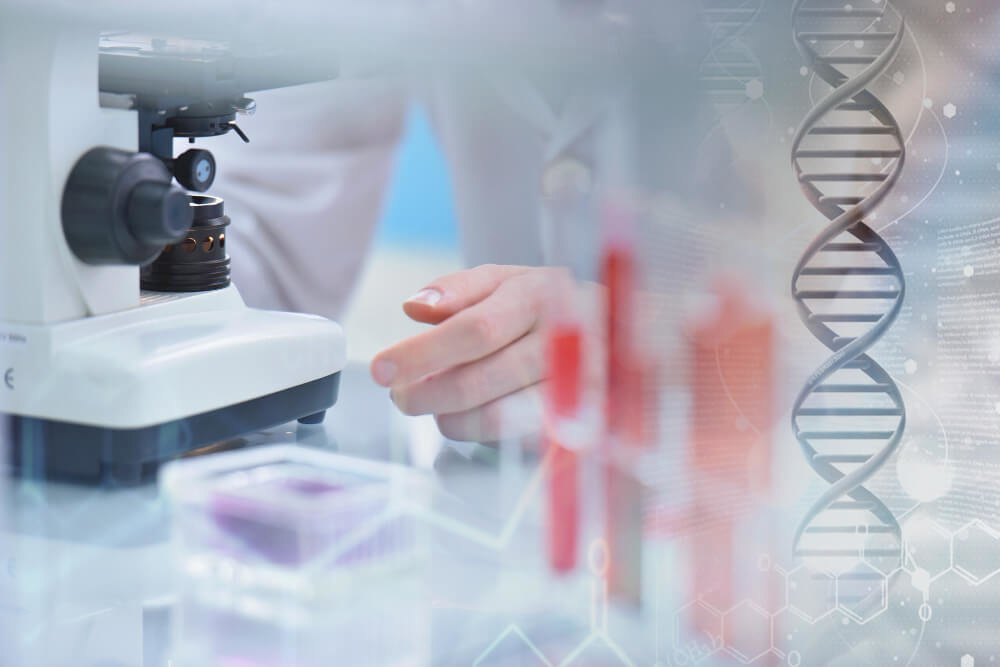
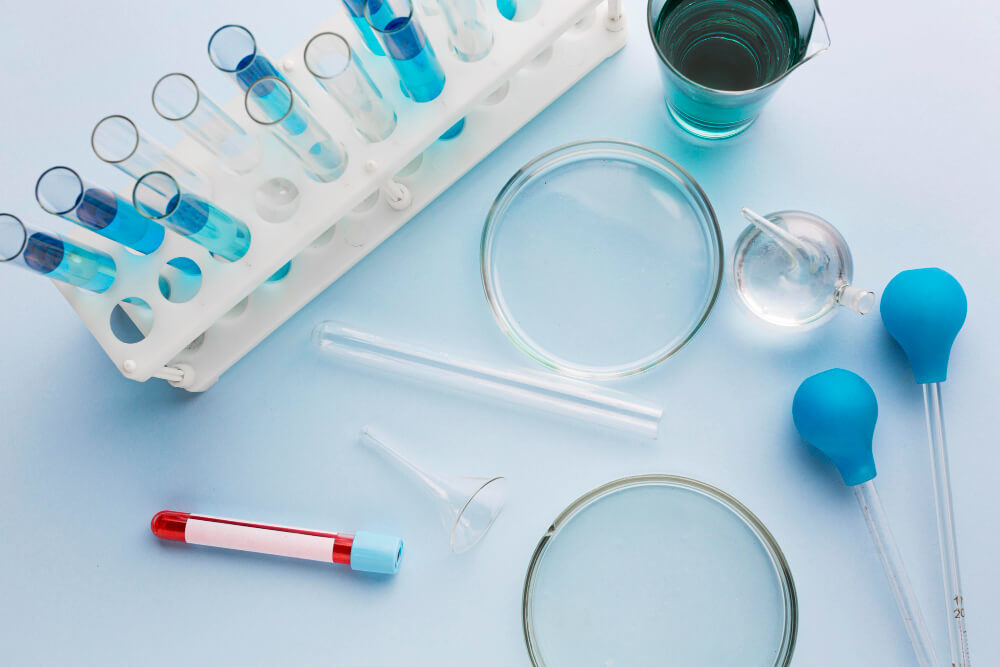
The preparation of PRP is a precise medical procedure that must be performed under sterile conditions to ensure safety and efficacy. The process begins with a simple blood draw, similar to what you would experience during a routine lab test. This blood is collected in a special tube containing an anticoagulant to prevent it from clotting.
The tube is then placed in a centrifuge, a machine that spins at high speed to separate substances of different densities. This spinning process separates the blood into three distinct layers: the red blood cells at the bottom, a thin middle layer called the ‘buffy coat’ which is rich in platelets and white blood cells, and the platelet-poor plasma at the top.
The practitioner carefully extracts the platelet-rich layer, sometimes including the buffy coat, to create the final PRP injectate. The exact method can vary, as different systems produce different concentrations of platelets and other cells. Understanding the specific protocols for preparing and administering platelet-rich plasma (PRP) is critical for clinicians to ensure they are creating a high-quality product that will deliver the best possible therapeutic results for their patients.

How does overall health influence regenerative outcomes?
The success of any regenerative therapy is not solely dependent on the treatment itself. The patient’s overall health and biological environment, often called the ‘terrain’, play a massive role. A body that is burdened by chronic inflammation, poor nutrition, and metabolic dysfunction will not respond as effectively to regenerative signals as a body that is healthy and optimized.
Chronic inflammation, for instance, creates a hostile environment for healing. It can counteract the anti-inflammatory effects of treatments like MSC therapy and inhibit the function of repair cells. This is why a holistic approach is so vital. Addressing diet, stress, sleep, and exercise is a key part of preparing the body to receive and respond to a regenerative intervention.
Metabolic health is particularly crucial. High blood sugar and insulin resistance are pro-inflammatory and can impair the function of stem cells and other healing mechanisms. For this reason, many forward-thinking clinics now incorporate lifestyle and metabolic monitoring into their regenerative protocols. For example, understanding how to manage blood sugar by using continuous glucose monitors (CGMs) for weight loss and metabolic health is a powerful tool to create an internal environment that is primed for healing and regeneration.
What is the future of regenerative medicine?
The future of regenerative medicine is incredibly bright, with advancements happening at a breathtaking pace. We are moving beyond simply injecting cells or growth factors and into more sophisticated and targeted approaches. Scientists are working on ‘smart’ biomaterials that can release healing factors in a controlled, timed manner in response to the body’s needs.
One of the most exciting frontiers is 3D bioprinting. Researchers are learning how to print living tissues, layer by layer, using a ‘bio-ink’ made of cells and a hydrogel scaffold. While printing a fully functional complex organ like a heart or kidney is still a long way off, the printing of simpler tissues like skin, cartilage, and blood vessels is already a reality in research settings.
Gene and cell therapies are also converging with regenerative medicine. This includes editing a patient’s own cells to correct genetic defects before reintroducing them to the body or engineering cells to be more potent healers. Organizations like The American Society of Gene & Cell Therapy are at the forefront of this research, pushing the boundaries of what is medically possible. These advancements promise a future where we can not only repair but also enhance the body’s function at a cellular level.
How can professionals get involved in this field?
As regenerative medicine moves from the research lab to the clinic, there is a growing demand for healthcare professionals who are well-versed in its principles and practices. This is a highly specialized field that requires a deep understanding of cell biology, immunology, and clinical application. For physicians, nurses, and other clinicians looking to incorporate these therapies, advanced training is essential.
This goes far beyond a weekend course. It involves rigorous education on the different types of therapies, patient selection criteria, preparation protocols, and regulatory guidelines. Professional organizations and academic institutions offer a variety of resources to help providers get up to speed. The National Institutes of Health, for example, provides access to a wealth of professional resources and training materials to support the scientific community.
For those seeking more structured and in-depth education, formal fellowship programs are becoming more common. A dedicated regenerative and functional medicine fellowship provides the comprehensive, hands-on experience needed to master these complex protocols. This specialized training ensures that practitioners can offer these powerful therapies safely and effectively, ultimately elevating the standard of care for patients everywhere.
Regenerative medicine is more than just a new set of treatments; it is a new philosophy of health. It is a proactive, personalized, and participatory approach that empowers both the patient and the physician. By working with the body’s inherent wisdom, we are unlocking a future where the primary goal of medicine is not just to manage disease, but to restore true health and vitality from the inside out.
Frequently Asked Questions

How do regenerative treatments differ from traditional pain relief like cortisone shots?
The primary difference lies in the treatment goal and mechanism of action. Traditional options like cortisone shots are designed to provide powerful anti-inflammatory effects, which can rapidly decrease pain and swelling but do not repair the underlying tissue damage. Regenerative medicine, in contrast, uses substances like platelet-rich plasma (PRP) or stem cells to stimulate and accelerate the body’s own natural healing processes to repair the source of the pain.
Consequently, the results and long-term outlook vary significantly between the two approaches. While cortisone’s effects are often temporary and may require repeat injections, regenerative therapies aim for lasting structural improvement of the injured tissue. This focus on healing the root cause offers the potential for sustained pain relief and improved function, rather than simply masking the symptoms for a limited time.

What makes someone a good candidate for regenerative medicine for chronic pain?
An ideal candidate is typically someone with chronic musculoskeletal pain caused by tissue degeneration or injury who has not found adequate relief from more conservative treatments like physical therapy or anti-inflammatory medications. Conditions such as osteoarthritis, tendonitis, ligament sprains, and certain types of back pain often respond well to these therapies. The patient should be seeking a solution that addresses the underlying cause of their pain as an alternative to long-term medication or invasive surgery.
However, not everyone is a suitable candidate, and a thorough medical evaluation is crucial. Individuals with active infections, blood-clotting disorders, or certain types of cancer may be advised against these procedures. A specialist will determine candidacy based on a physical examination, a review of medical history, and diagnostic imaging like an MRI or ultrasound to confirm the source of the pain is treatable with a regenerative approach.

What is the typical recovery and results timeline after a regenerative medicine procedure?
The immediate recovery is generally minimal compared to surgery, though patients can expect some localized soreness, swelling, or bruising at the injection site for several days. Practitioners usually advise a brief period of rest or modified activity, avoiding strenuous exercise to allow the healing process to begin effectively. Following this initial phase, a customized physical therapy program is often recommended to support tissue repair and restore strength and mobility.
Because these therapies work by stimulating the body’s natural healing cascade, results appear gradually rather than instantly. Some patients may notice initial improvements within a few weeks, but the full benefits often take several months to materialize as tissues slowly regenerate and strengthen. The goal is progressive and sustainable improvement in pain and function as the root cause of the issue is resolved over time.
Discover the most comprehensive functional medicine training, longevity training, and biohacking certification programs designed specifically for healthcare professionals, medics, and clinic owners who want to master regenerative medicine protocols and anti-aging therapies.