
Regenerative Medicine: Unlocking Your Body’s Innate Healing Potential
Imagine getting a small paper cut on your finger. You clean it, maybe put on a bandage, and then you mostly forget about it. Over the next few days, your body performs a quiet miracle. It stops the bleeding, fights off potential invaders, and methodically rebuilds the damaged skin until it’s as good as new.
This remarkable, built-in capacity for self-repair is the very foundation of one of the most exciting frontiers in modern healthcare. This field seeks to understand and amplify these natural processes to treat injury and disease in ways we once only dreamed of. It is a paradigm shift away from merely managing symptoms toward truly restoring function.
At its core, regenerative medicine is a branch of medical science focused on developing and applying new treatments to heal tissues and organs and restore function lost due to aging, disease, or damage. Instead of using a drug to mask a problem, it aims to give your body the tools it needs to fix the problem itself. This approach holds the promise of revolutionizing how we treat a vast array of conditions.

How Does Regenerative Medicine Actually Work?
The concept sounds futuristic, but its principles are grounded in basic biology. Your body is in a constant state of turnover and repair. Regenerative medicine taps into this system, leveraging its key components to target specific areas of need. It works primarily through a few interconnected mechanisms.
One of the central players is cellular communication. Your cells are constantly talking to each other using a complex language of biochemical signals. When tissue is damaged, cells at the site of injury release distress signals. These signals act like flares, calling for help from the body’s repair crews.
These repair crews include specialized cells and powerful signaling molecules like growth factors and cytokines. Growth factors instruct cells to multiply, differentiate into new types of cells, and produce the materials needed to rebuild tissue. Cytokines help manage inflammation, a critical part of the healing process, ensuring it helps rather than hinders repair.
Regenerative therapies often involve introducing a concentrated dose of these helpful cells and signals directly where they are needed most. This boosts the body’s natural response, providing the resources to overcome damage that might otherwise be too extensive to heal on its own. It is like sending in a team of expert builders with a full supply of materials to a construction site that has run out of both.
Another key element is the extracellular matrix, or ECM. The ECM is the intricate scaffolding that surrounds your cells, providing structural support and helping to relay signals between them. In regenerative medicine, scientists can create biological or synthetic scaffolds that mimic the natural ECM. These can be used to guide the growth of new tissue in a specific shape or form, such as for a piece of cartilage or a patch of skin.

What Are the Main Approaches in Regenerative Medicine?
The field is diverse, with several distinct but often overlapping strategies for promoting healing. Clinicians and researchers can choose an approach based on the specific condition, the location of the injury, and the patient’s individual health status. These methods range from using a patient’s own cells to engineering complex new tissues in a lab.
Can We Use Cells to Heal?
Cellular therapies are perhaps the most well-known aspect of regenerative medicine. This approach involves harvesting, concentrating, and then re-introducing specific types of cells to a damaged area to orchestrate and accelerate the healing process.
One of the most talked-about cell types is the mesenchymal stem cell, or MSC. These are often referred to as the body’s ‘master repair cells’. Found in tissues like bone marrow and body fat, MSCs have a unique ability to sense their environment. When placed in an area of injury, they can release a powerful cocktail of growth factors and anti-inflammatory molecules that calm the local environment and signal other cells to begin the rebuilding process.
Another widely used cellular therapy is Platelet-Rich Plasma, or PRP. This therapy begins with a simple blood draw from the patient. The blood is then spun in a centrifuge to separate and concentrate the platelets. These platelets, when activated, release a treasure trove of growth factors that stimulate tissue repair. Because it uses the patient’s own blood, it is a very safe and common entry point into regenerative treatments, especially for joint pain and sports injuries. Understanding the differences between these options is key for practitioners, leading to detailed analyses of a comparison of PRP, MSCs, and exosomes for orthopedics.

What About Tissue Engineering?
Tissue engineering takes the concept a step further. It combines cells, growth factors, and biomaterials to create functional tissues. This is the approach that could one day lead to lab-grown organs for transplantation, eliminating the need for donor lists and the risk of rejection.
The core of tissue engineering is the scaffold. A scaffold is a three-dimensional structure that acts as a template for tissue growth. It can be made from a variety of materials, including natural polymers like collagen or synthetic, biodegradable plastics. Scientists ‘seed’ this scaffold with cells, which then multiply and fill the structure.
As the new tissue grows and matures, the scaffold gradually and safely dissolves, leaving behind a healthy, functional piece of biological tissue. This technique has already seen success in creating skin for burn victims and cartilage for joint repair. Researchers are actively working on more complex structures, like blood vessels, bladders, and even parts of the heart.
Can We Use Biological Products?
Beyond just using whole cells, regenerative medicine also utilizes the powerful products those cells create. These are known as acellular biologics. They do not contain living cells but are rich in the growth factors, proteins, and other signaling molecules that drive the repair process.
Products derived from birth tissues, for example, are a potent source of these regenerative elements. The amniotic fluid that cushions a developing baby and the umbilical cord tissue are packed with a diverse array of growth factors and anti-inflammatory agents designed to support growth and prevent scarring. These materials can be carefully collected, processed, and used to create therapies that reduce inflammation and promote healing in others.
The appeal of these biologics is that they deliver the therapeutic ‘message’ without transplanting foreign cells. This simplifies the process and reduces certain risks. However, the source and processing of these materials are paramount to their safety and effectiveness. For clinicians, understanding the critical importance of sourcing and vetting regenerative biologics like amniotic fluid and cord tissue is a non-negotiable part of responsible practice.
What Conditions Can Regenerative Medicine Potentially Treat?
The potential applications of regenerative medicine are vast, spanning nearly every area of healthcare. While many treatments are still in the research and development stage, several have already become valuable clinical tools for conditions that were previously difficult to manage.
In orthopedics, regenerative therapies are making a significant impact. They are commonly used to treat osteoarthritis, a degenerative joint disease that affects millions. Injections of PRP or cell-based therapies can help reduce the inflammation and pain in an arthritic knee, hip, or shoulder, potentially delaying or even avoiding the need for joint replacement surgery. Athletes frequently turn to these treatments to speed recovery from tendonitis, ligament sprains, and muscle tears.
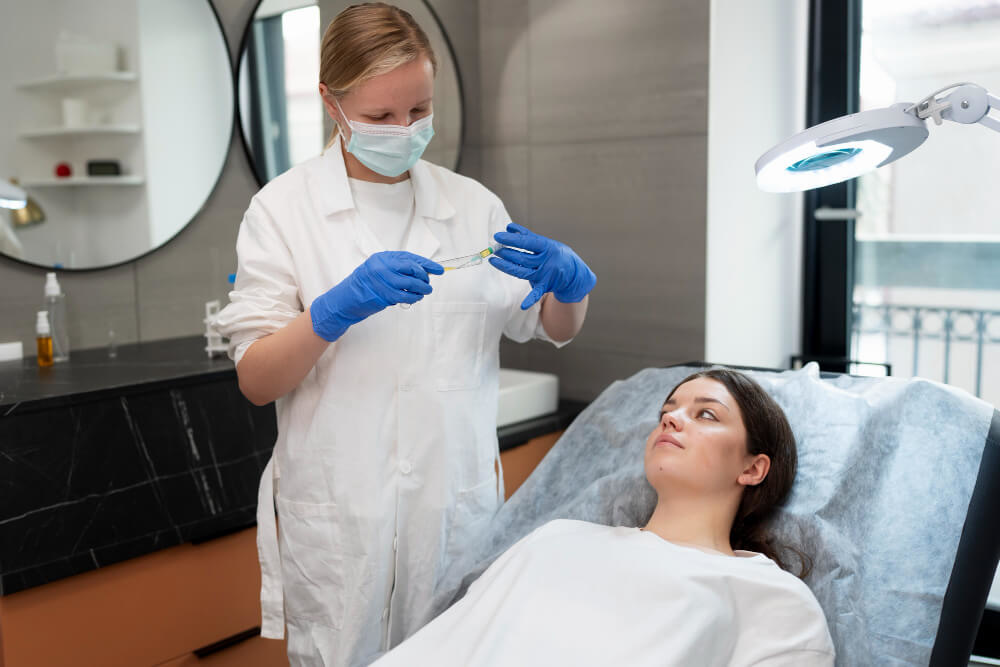
Aesthetics and dermatology is another area where these principles are applied. Microneedling combined with PRP, often called a ‘vampire facial’, uses the growth factors from a patient’s own blood to stimulate collagen production, improving skin texture and tone. Similar approaches are being used to combat hair loss, with growth factor injections into the scalp helping to rejuvenate dormant hair follicles.
The frontier of regenerative medicine is focused on more complex, chronic diseases. Researchers are exploring how to use stem cells to replace the insulin-producing cells in the pancreas for type 1 diabetes. There is intense investigation into using regenerative approaches to repair heart muscle damaged by a heart attack or to slow the progression of neurodegenerative diseases like Parkinson’s or multiple sclerosis.
Finally, advanced wound care is a major application. For patients with chronic, non-healing wounds, such as diabetic foot ulcers, regenerative therapies can be life-changing. Skin substitutes grown through tissue engineering and the application of growth-factor-rich biologics can stimulate the closure of wounds that have resisted all other forms of treatment, preventing infection and amputation.

Is There a Connection Between Gut Health and Regeneration?
Increasingly, experts in functional and regenerative medicine are recognizing a profound connection between the health of our gut and our body’s ability to heal itself. The gut microbiome, the complex ecosystem of trillions of bacteria and other microbes living in our digestive tract, plays a critical role in regulating our immune system and controlling systemic inflammation.
When the microbiome is out of balance, a state known as dysbiosis, it can lead to a leaky gut. This condition allows toxins and undigested food particles to pass into the bloodstream, triggering a low-grade, chronic inflammatory response throughout the body. This constant state of alert taxes the immune system and diverts resources away from repair and regeneration.
An inflamed internal environment is not conducive to healing. It can impair the function of our own stem cells and reduce the effectiveness of any regenerative therapy that is introduced. Imagine trying to build a new house in the middle of a constant storm; the conditions are simply not right for successful construction.
Therefore, optimizing gut health is often seen as a foundational step for anyone seeking to maximize their regenerative potential. This involves eating a whole-foods diet rich in fiber, managing stress, and avoiding unnecessary gut disruptors. In some cases, targeted interventions are needed to correct significant imbalances. Understanding the right protocols for microbiome restoration following antibiotic use, for example, is crucial, as antibiotics can be one of the biggest disruptors of this delicate ecosystem. By restoring a healthy, balanced microbiome, we can lower systemic inflammation and create an internal environment where healing and regeneration can flourish.

What Does the Future of Regenerative Medicine Look Like?
The future of regenerative medicine is incredibly bright, with scientific advancements accelerating at an unprecedented pace. What seems like science fiction today is rapidly becoming the focus of serious research and development that will shape the future of healthcare.
One of the most exciting areas is 3D bioprinting. This technology uses ‘bio-ink’, a substance made of living cells, to print complex tissues and, eventually, entire organs layer by layer. While printing a fully functional heart or kidney is still a long way off, scientists have already successfully printed simpler tissues like cartilage and blood vessels. This could one day solve the organ shortage crisis for good.
Gene editing technologies, particularly CRISPR, are also set to play a huge role. Scientists are exploring ways to use CRISPR to correct genetic defects in a patient’s own cells before they are used in a therapy. This could provide a permanent cure for inherited diseases like cystic fibrosis or sickle cell anemia.
The field is also moving toward greater personalization. In the future, treatments will be precisely tailored to an individual’s unique genetic makeup, lifestyle, and specific condition. A therapy for one person’s arthritic knee might be completely different from another’s, based on a deep analysis of their biological markers.
This rapid progress requires a new generation of highly skilled scientists and clinicians. Leading academic institutions are responding to this need by creating specialized training programs, such as the graduate programs in regenerative medicine that are preparing the future leaders of the field. This global effort is fostered by collaborative organizations that bring together top minds to share knowledge and advance research, like the European Society of Gene and Cell Therapy, which is pivotal in advancing these treatments across continents.
For those interested in following the latest breakthroughs, online hubs and communities provide invaluable resources. Platforms like RegMedNet offer a place for professionals and the public to connect and stay informed about the fast-moving developments in cell therapy and regenerative science. The entire movement is championed by dedicated groups, such as the Regenerative Medicine Foundation, which advocates for policies and funding to help translate these promising laboratory discoveries into clinical realities that can help patients worldwide.
The journey of regenerative medicine is just beginning. It represents a fundamental shift in medical philosophy, moving from managing disease to restoring health. By learning to speak the body’s own language of healing, we are unlocking a future where we can not only live longer but also live better, with greater vitality and function than ever before.
Frequently Asked Questions

How do specific dysfunctions in cell signaling contribute to the pathophysiology of major diseases like cancer and diabetes?
Disruptions in cell signaling pathways are fundamental to the development of many diseases by causing cells to respond inappropriately to their environment. In cancer, for instance, mutations in genes for growth factor receptors or downstream signaling proteins can lead to a constant "on" signal, driving uncontrolled cell proliferation and survival. Similarly, in type 2 diabetes, insulin resistance arises from defects in the insulin signaling cascade, preventing cells from properly taking up glucose from the bloodstream.
This molecular-level dysfunction directly translates into clinical pathology, and understanding it is key to diagnosis and treatment. A single point mutation in a signaling protein like a kinase can have amplified, cascading effects throughout the cell, altering its entire metabolic or proliferative state. These errors can be gain-of-function, as seen with oncogenes, or loss-of-function, which is common in metabolic disorders or when tumor suppressor pathways fail.
Why are G-protein coupled receptors (GPCRs) such a frequent target for pharmaceutical development?
G-protein coupled receptors represent one of the largest and most diverse protein families in the human genome, making them central to a vast array of physiological processes. They mediate our senses of sight, smell, and taste, and regulate critical functions like heart rate, blood pressure, and neurotransmission. Because of their involvement in nearly every biological system, modulating their activity offers a powerful way to treat a wide spectrum of diseases.
Furthermore, the structure and location of GPCRs make them exceptionally "druggable" targets for therapeutic intervention. As they are embedded in the cell membrane, their extracellular domains are accessible to drugs circulating in the bloodstream, avoiding the need for the drug to enter the cell. Their complex structure also allows for the design of highly specific agonists, antagonists, and allosteric modulators that can precisely fine-tune cellular responses, maximizing therapeutic benefit while minimizing side effects.
Beyond treatment, how can analyzing a patient’s signaling pathways inform diagnosis and prognosis?
Analyzing a patient’s unique cell signaling profile offers a powerful tool for precision diagnostics that goes beyond traditional methods. By measuring biomarkers like the phosphorylation status of key proteins or the expression levels of specific receptors in a tumor biopsy, clinicians can create a molecular fingerprint of the disease. This allows for more accurate disease sub-typing, such as distinguishing between different forms of breast cancer (e.g., HER2-positive vs. hormone receptor-positive) which require vastly different treatment approaches.
This detailed molecular information is also invaluable for determining a patient’s prognosis and guiding long-term management. The specific defects within a signaling pathway can predict disease aggressiveness, the likelihood of metastasis, and the potential for recurrence. Consequently, this knowledge empowers physicians to make more informed decisions, helping to tailor the intensity of therapy and surveillance schedules to the individual patient’s risk profile, forming the cornerstone of personalized medicine.
Talking Longevity: Discover the most comprehensive functional medicine training, longevity training, and biohacking certification programs designed specifically for healthcare professionals, medics, and clinic owners who want to master regenerative medicine protocols and anti-aging therapies.