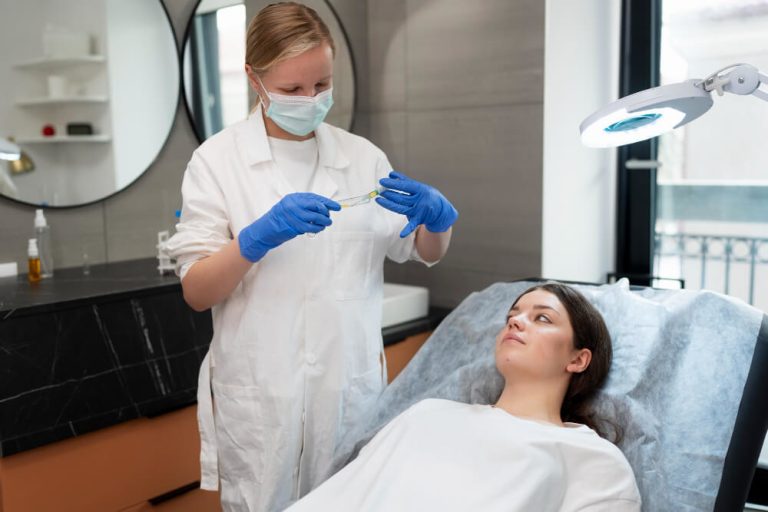

Unlocking the Future of Medicine: A Complete Guide to Regenerative Care
For centuries, medicine has largely focused on managing symptoms and fighting disease with external tools like pharmaceuticals and surgery. While these methods have saved countless lives, a new frontier is emerging, one that shifts the focus inward. This new paradigm is called regenerative care, and it promises to revolutionize how we think about healing, aging, and human potential by harnessing the most powerful therapeutic system we know: the human body itself.
At its heart, regenerative care is a field of medicine dedicated to repairing, replacing, or regenerating human cells, tissues, or organs to restore normal function. Instead of just putting a bandage on a problem, it aims to fix the underlying damage. This approach represents a fundamental shift from reactive to proactive health, and it requires a new level of understanding and expertise from the healthcare professionals who practice it. The journey to mastering this field begins with comprehensive regenerative care training, which equips practitioners with the knowledge to safely and effectively deploy these groundbreaking therapies.
This evolution in healthcare is not a distant dream; it is happening right now. Clinics around the world are beginning to offer treatments that were once the stuff of science fiction. As a patient or simply an interested observer, understanding the principles of regenerative care is key to navigating the future of health and wellness. It’s a future built on personalized treatments and unlocking the body’s innate capacity to heal.

What is Regenerative Care Really?
To grasp the concept of regenerative care, imagine your body as a highly sophisticated self-repairing machine. When you get a paper cut, your body immediately initiates a complex cascade of events to heal the wound without you even thinking about it. Regenerative medicine takes this natural process and amplifies it, directing the body’s healing resources to areas where damage is more severe or chronic, like a worn-out knee joint or damaged heart tissue.
Think of a traditional doctor as a mechanic who replaces a broken part in a car. A regenerative medicine practitioner, on the other hand, is more like a master horticulturalist who provides a struggling plant with the precise nutrients, light, and soil conditions it needs to heal and thrive on its own. It is a collaborative process with the body, not a forceful intervention against it.
This field encompasses a wide range of techniques and technologies. The common thread is the use of biological materials, often sourced from the patient’s own body, to stimulate repair. It is a dynamic and rapidly advancing area that combines biology, genetics, and clinical medicine to create personalized solutions for each individual.
Why is This Field Exploding in Popularity?
The surge in interest surrounding regenerative care stems from several converging factors. First, our population is aging. People are living longer than ever before, but they do not just want a longer life; they want a higher quality of life, free from the chronic pain and disability that often accompany old age. Regenerative therapies offer the potential to not just manage age-related decline but to actively repair the damage it causes.
Second, there is a growing dissatisfaction with the limitations of conventional medicine, especially for chronic conditions. Many treatments for diseases like osteoarthritis, diabetes, and autoimmune disorders focus on managing symptoms with daily medications that can have significant side effects. Patients and doctors alike are searching for solutions that address the root cause of these illnesses, offering a chance for true healing and a reduced reliance on pharmaceuticals.
Finally, scientific and technological advancements have made these therapies more accessible and effective. What was once purely theoretical research is now translating into real-world clinical applications. This progress fuels public excitement and drives more investment and research, creating a powerful cycle of innovation that continues to push the boundaries of what is possible in medicine.
What are the Core Components of Regenerative Medicine?
Regenerative medicine is not a single treatment but a collection of approaches. Understanding a few of the core components helps demystify the field and reveals how these therapies work at a fundamental level. These building blocks are often used in combination to create a synergistic healing effect.

How Do Stem Cells Play a Role?
Stem cells are the foundation of regenerative medicine. They are the body’s raw materials, unique cells that have the remarkable potential to develop into many different cell types. Think of them as a versatile repair crew that can be called upon to fix various types of damage throughout the body. When an injury occurs, stem cells can be signaled to travel to the site and transform into the specific cells needed for repair, such as cartilage, muscle, or bone cells.
These powerful cells can be harvested from different sources, including a patient’s own bone marrow or adipose (fat) tissue. Once collected, they can be concentrated and reintroduced into the body at the site of injury or disease. Their role is twofold: they can directly replace damaged cells, and perhaps more importantly, they act as signaling hubs, releasing growth factors and proteins that orchestrate the body’s own healing response, reducing inflammation and recruiting other local repair cells to the area.

What is Platelet-Rich Plasma (PRP)?
Platelet-Rich Plasma, or PRP, is another cornerstone of regenerative care. It is a therapy that uses a concentration of a patient’s own platelets to accelerate the healing of injured tendons, ligaments, muscles, and joints. The process is straightforward: a small sample of the patient’s blood is drawn and placed in a centrifuge, which spins at high speed to separate the blood components.
This process isolates the platelets and plasma, creating a solution that is five to ten times richer in growth factors than normal blood. This super-concentrated healing cocktail is then injected directly into the injured tissue. It is like sending an elite special forces team of healers right to the problem area. These growth factors stimulate tissue regeneration, enhance blood flow, and signal stem cells to come and assist in the repair process, significantly speeding up natural healing.

What About Genetics and Personalized Medicine?
The ultimate goal of regenerative care is to be completely personalized, and nothing is more personal than your genetic code. The integration of genomics into regenerative medicine is a game-changer, allowing treatments to be tailored to an individual’s unique biological makeup. Understanding a person’s genetic predispositions can help predict how they might respond to certain therapies and what health challenges they may face in the future.
Leading scientific bodies like the American Society of Human Genetics are at the forefront of this research, exploring how our DNA influences health and disease. This knowledge is becoming more accessible than ever. Educational initiatives, such as the Personal Genetics Education Project, work to increase public awareness and understanding of the implications of personal genetic information. This growing understanding allows for a more proactive approach to health, where lifestyle and medical interventions can be designed to work in harmony with your genes.
This genetic insight is now available through various channels. Direct-to-consumer companies like 23andMe provide general wellness and ancestry reports, giving people a glimpse into their genetic landscape. For more in-depth medical applications, clinical-grade genetic testing from companies like Invitae offers physicians detailed information that can guide diagnostic and treatment decisions, making truly personalized regenerative care a reality.

Who Can Benefit from Regenerative Therapies?
The applications for regenerative care are vast and continue to expand as research progresses. While not a cure-all, these therapies are showing significant promise across a spectrum of medical fields, from orthopedics to aesthetics, offering new hope to patients with a variety of conditions.

Can it Help with Joint Pain and Orthopedics?
One of the most common and successful applications of regenerative medicine is in orthopedics. Millions of people suffer from chronic pain due to osteoarthritis, sports injuries, and degenerative conditions affecting the knees, shoulders, hips, and spine. Traditional treatments often involve long-term pain medication, steroid injections that can damage tissue over time, or eventual joint replacement surgery.
Regenerative therapies like PRP and stem cell injections offer a compelling alternative. By injecting these biological agents directly into a damaged joint, practitioners can help reduce inflammation, slow down cartilage degeneration, and stimulate the repair of damaged tissues. For many patients, this results in significant pain relief, improved function, and a delay or avoidance of major surgery, allowing them to return to the activities they love.
What is the Role in Aesthetics and Anti-Aging?
The principles of regeneration are not limited to treating injuries; they are also being applied to reverse the visible signs of aging and enhance natural beauty. The field of aesthetic medicine has been transformed by regenerative techniques that use the body’s own power to rejuvenate the skin, restore hair, and improve overall appearance in a way that looks natural and healthy.
The famous ‘vampire facial’, for instance, combines microneedling with PRP to stimulate collagen production, reduce fine lines, and improve skin texture and tone. PRP is also used as a non-surgical treatment for hair loss, where it is injected into the scalp to nourish hair follicles and encourage new growth. As this specialty grows, so does the need for specific expertise. This is why specialized programs in aesthetic regenerative medicine training for doctors are essential to ensure these powerful treatments are delivered with artistry, precision, and the highest safety standards.
Are There Applications for Chronic Conditions?
Beyond joints and skin, the long-term vision for regenerative medicine is to tackle some of the most challenging chronic diseases of our time. Researchers are actively investigating the potential for regenerative therapies to treat conditions like heart disease by repairing damaged cardiac muscle after a heart attack, or to help manage autoimmune diseases by modulating the immune system and reducing chronic inflammation.
There is also exciting research in the field of neurology, exploring how stem cells might one day be used to treat conditions like Parkinson’s disease, multiple sclerosis, or spinal cord injuries. While many of these applications are still in the experimental and clinical trial phases, they represent the incredible future potential of this field. They offer a glimmer of hope that we may one day be able to regenerate and repair damage that was once considered permanent.

Why is Proper Training for Practitioners So Important?
As the field of regenerative care expands, the importance of rigorous and comprehensive training for its practitioners cannot be overstated. These are not simple, one-size-fits-all procedures. They are complex medical interventions that require a deep understanding of cell biology, immunology, and patient physiology, as well as impeccable clinical skills.
A practitioner must know how to properly select candidates for therapy, as not everyone is a good fit. They need to master the technical aspects of harvesting and preparing biologics like stem cells and PRP, as the quality of the preparation directly impacts the outcome. Furthermore, they must possess the precision to deliver these treatments to the exact right location in the body, often using advanced imaging guidance.
Beyond the technical skills, practitioners must be able to manage patient expectations, navigate the evolving regulatory landscape, and adhere to the highest ethical standards. This level of expertise is not acquired in a weekend course. It demands a commitment to ongoing education and specialized certification. For this reason, a formal regenerative medicine certification for physicians is becoming the gold standard, signaling that a practitioner has invested the time and effort to truly master this sophisticated and powerful form of medicine.
What Challenges and Ethical Considerations Exist?
With any powerful new technology, there come challenges and important ethical questions that must be addressed. The field of regenerative care is no exception. It is crucial for both patients and practitioners to approach it with a clear-eyed view of its current realities and limitations. One major challenge is managing the hype. The promise of regenerative medicine is so profound that it can sometimes lead to unrealistic expectations. It is not a miracle cure, and results can vary significantly between individuals.
Cost and accessibility are also significant hurdles. Many of these cutting-edge treatments are not yet covered by insurance, making them available only to those who can afford to pay out-of-pocket. This creates a disparity in access that the medical community and policymakers must work to resolve as the field matures. The regulatory environment is also complex and varies by country, creating confusion about what is legally and ethically permissible.
Furthermore, the integration of deep genetic analysis introduces new ethical dilemmas. For example, when a patient undergoes genetic testing to guide a regenerative treatment, the test might reveal an ‘incidental finding’—a genetic marker for a completely different and unexpected condition. This raises difficult questions about the responsibility to disclose this information and how to support the patient in dealing with it. The medical community recognizes this challenge, and there is now a crucial need for education on this topic, such as a course on how to manage incidental findings a training course, to help clinicians navigate these sensitive situations responsibly.

What Does the Future of Regenerative Care Look Like?
The future of regenerative care is incredibly bright, with innovations on the horizon that will continue to redefine the boundaries of medicine. Scientists are working on advanced techniques like 3D bioprinting, with the long-term goal of creating custom-made organs for transplantation, eliminating the need for donor lists and the risk of rejection. Advances in gene-editing technologies like CRISPR may one day allow us to correct genetic defects at their source.
We can also expect to see even more sophisticated personalization. Therapies will be designed not just for a specific condition, but for a specific person, taking into account their unique genetics, lifestyle, and microbiome. We will likely see the development of ‘off-the-shelf’ cell products that are universally compatible, making treatments more scalable and affordable for the general population.
This future, however, is entirely dependent on the quality and dedication of the professionals in the field. As the science becomes more complex, the need for elite training will become even more critical. The practitioners of tomorrow will need to be lifelong learners, constantly updating their skills and knowledge to keep pace with the rapid rate of discovery. The foundation for this incredible future is being built today, in the clinics and training programs dedicated to advancing the science and practice of regenerative care.
Frequently Asked Questions
Who within a facility is required to receive training on HCT/P regulations?
According to FDA regulations, specifically 21 CFR Part 1271, all personnel involved in core HCT/P functions must receive adequate training. This extends beyond management and quality assurance to include anyone performing recovery, processing, storage, labeling, packaging, or distribution of human cells and tissues. The goal is to ensure every individual has the necessary education and experience to perform their assigned tasks competently and prevent contamination or the spread of communicable disease.
The scope and depth of the training should be directly relevant to each employee’s specific duties and responsibilities. For instance, a laboratory technician requires in-depth training on aseptic processing and quality control testing, while a logistics coordinator needs to be an expert in packaging, labeling, and shipping conditions. Thoroughly documenting this role-specific training for all relevant staff is a critical component of maintaining regulatory compliance and is a key item reviewed during FDA inspections.

What are the potential consequences of inadequate or non-compliant HCT/P training?
The consequences of insufficient training can be severe, ranging from regulatory citations to significant patient safety risks. During an inspection, the FDA will closely scrutinize training records, and any deficiencies are a common source of observations listed on a Form 483. These findings can escalate to public Warning Letters, which damage an organization’s reputation and may lead to more stringent enforcement actions like product seizure or injunctions that halt operations.
Beyond the direct regulatory penalties, a poorly trained workforce jeopardizes the integrity and safety of the HCT/Ps. A lack of knowledge can lead to critical errors such as cross-contamination, improper storage that reduces viability, or incorrect labeling that could result in a product mix-up. Ultimately, these failures can cause serious adverse outcomes for patients and undermine the fundamental purpose of the quality system and the organization itself.

Is HCT/P regulatory training a one-time event, or is ongoing training required?
HCT/P regulatory training is an ongoing process, not a one-time event that is completed upon hiring. FDA regulations mandate that personnel receive continuing education to ensure they remain proficient in their roles and stay current with any changes. An effective compliance program must include a schedule for regular refresher training to reinforce critical concepts and introduce new information.
This ongoing training should be conducted at planned intervals, such as annually, and also on an as-needed basis. For example, additional training is essential whenever there are significant changes to regulations, internal standard operating procedures (SOPs), or the introduction of new equipment or processes. Furthermore, retraining is often a required corrective action following an internal audit finding or an operational error, ensuring that lessons are learned and mistakes are not repeated.
Discover the most comprehensive functional medicine training, longevity training, and biohacking certification programs designed specifically for healthcare professionals, medics, and clinic owners who want to master regenerative medicine protocols and anti-aging therapies.