
ExosomeTraining
Master Exosome Therapy: The Future of Regenerative Medicine.
Regenerative medicine is undergoing a profound paradigm shift. For years, the focus has been on cellular therapies, but the frontier is now advancing toward powerful acellular biologics. At the forefront of this revolution are exosomes, nanoscale vesicles that act as the primary messengers in cell-to-cell communication. These tiny powerhouses carry a rich cargo of proteins, lipids, and genetic material, orchestrating complex biological processes like tissue repair, inflammation modulation, and cellular regeneration. For clinicians, understanding and harnessing the potential of exosome therapy is no longer a futuristic concept; it is the next essential step in providing patients with the most advanced care available. Mastering this technology means moving beyond treating symptoms and toward activating the body’s own innate healing mechanisms, truly defining the future of medical practice and patient outcomes.

The Science Of Extracellular Vesicles Evs For Clinicians
Extracellular vesicles or EVs are membrane-bound particles naturally released by almost all cell types, and a deeper dive into the science for clinicians reveals their complex nature. They are a heterogeneous group, but the most studied for therapeutic purposes are exosomes, which are the smallest type of EV. Think of them as the postal service of the body. Cells package important signaling molecules like growth factors, cytokines, and microRNA into these vesicles and release them into the bio-environment. These packages then travel to recipient cells, fuse with their membranes, and deliver their contents, effectively instructing the target cells on how to behave.
For clinicians, the crucial takeaway is that EVs are not cells. They are acellular. This means they do not have the ability to replicate or differentiate, which significantly reduces many of the risks associated with stem cell therapies, such as unwanted growth or immune rejection. Instead, they provide the therapeutic signals of their parent cells without the cells themselves. This unique characteristic makes them a safer and more predictable tool for regenerative applications. Their small size also allows them to cross barriers in the body that whole cells cannot, and the ongoing work of the global extracellular vesicle research community continues to uncover a wider range of therapeutic delivery possibilities.
A Physicians Guide To The Mechanism Of Action Of Exosomes
The therapeutic power of exosomes lies in how they orchestrate a cascade of regenerative events. They do not just perform one function but initiate a cascade of regenerative events. First, exosomes are potent anti-inflammatory agents. They deliver signals that down-regulate pro-inflammatory pathways and encourage a shift toward an anti-inflammatory, pro-reparative environment. This is critical for treating chronic inflammatory conditions, from osteoarthritis to certain skin disorders.
Second, exosomes stimulate cellular proliferation and regeneration. The growth factors and proteins within their cargo signal to nearby quiescent or damaged cells to begin dividing and repairing tissue. This process, known as paracrine signaling, is the foundation of their use in aesthetics for skin rejuvenation and in orthopedics for cartilage and soft tissue repair. Finally, they promote angiogenesis, the formation of new blood vessels. By delivering specific signaling molecules, exosomes encourage the development of a robust vascular network, which is essential for supplying oxygen and nutrients to healing tissues. This multi-faceted mechanism makes them a versatile and powerful tool in a physician’s regenerative arsenal.

The Difference Between Msc Derived Exosomes And Other Sources
Not all exosomes are created equal, and understanding how the parent cell dictates therapeutic potential is key to selecting the right product. While many cell types produce exosomes, those derived from Mesenchymal Stem Cells (MSCs) are considered the gold standard for most regenerative applications. MSCs are known for their powerful regenerative and anti-inflammatory properties, and they package these very characteristics into the exosomes they release. This makes MSC-derived exosomes exceptionally potent for therapeutic use.
Other sources include exosomes derived from platelets, which are found in Platelet-Rich Plasma (PRP), or from various other cell lines. While these can have some beneficial effects, they often lack the consistency and robust signaling profile of MSC-derived products. MSCs are typically sourced from perinatal tissues like umbilical cord lining or Wharton’s jelly, which are rich in young, vibrant, and highly active cells. The resulting exosomes carry a powerful and predictable regenerative message, making them a more reliable choice for clinical applications aimed at significant tissue repair and inflammation control.

Clinical Evidence For Exosome Treatments
The body of research demonstrating clinical promise for exosome therapy is growing rapidly. While large-scale, phase III clinical trials are still in progress for many indications, a wealth of preclinical studies, case series, and early-phase clinical trials have demonstrated significant promise. In aesthetic medicine, studies show that topical application of exosomes following procedures like microneedling or laser resurfacing can accelerate healing, reduce redness, and improve overall skin quality and collagen production.
In orthopedics, research points toward the ability of intra-articular exosome injections to reduce pain and inflammation associated with osteoarthritis, potentially slowing cartilage degradation. For hair restoration, preliminary evidence suggests that scalp injections of exosomes can stimulate dormant hair follicles and improve hair density by promoting a healthy scalp environment. It is crucial for physicians to stay updated on the latest research through peer-reviewed journals and academic conferences. While many uses are still considered investigational, the consistent positive outcomes in early-stage research are driving the field forward.

The Legal And Regulatory Status Of Exosome Products Fda Guidelines
For any physician, understanding how to practice within current FDA guidelines is one of the most critical responsibilities when working with exosome products. In the United States, the Food and Drug Administration (FDA) has provided specific guidance. It is essential to understand that currently, there are no FDA-approved exosome products for the treatment or prevention of any disease. Any party claiming to have an FDA-approved exosome product is making a false and illegal claim.
However, certain exosome products may fall under the regulatory framework for Human Cells, Tissues, and Cellular and Tissue-Based Products (HCT/Ps) under Section 361 of the Public Health Service Act. For a product to be regulated solely as a 361 HCT/P, it must meet specific criteria, including being minimally manipulated and intended for homologous use. Many commercially available exosome products are marketed as cosmetics or for topical application under this less stringent pathway. When exosomes are used for non-homologous purposes or are more than minimally manipulated, they are considered drugs and require a full biologics license application (BLA) and extensive clinical trials for approval. Clinicians must perform rigorous due diligence and understand that using these products for therapeutic injections is often considered off-label or investigational.

Understanding Exosome Characterization And Lab Reports
A key part of sourcing a quality exosome product is learning to properly interpret the Certificate of Analysis (CoA). This document is your window into the quality, purity, and concentration of the product you are using. Without it, you are essentially flying blind.
Several key metrics should be present on a comprehensive lab report.
- Particle Count: This tells you the concentration of exosomes, usually expressed in billions or trillions of particles per milliliter. Higher concentrations are generally more potent.
- Size Distribution: Exosomes have a typical size range of 30-150 nanometers. The report should confirm that the majority of particles fall within this range.
- Purity and Sterility: The report must confirm that the product is sterile and free from contaminants like bacteria, endotoxins, and mycoplasma.
- Protein Markers: The presence of specific surface proteins like CD9, CD63, and CD81 confirms that the vesicles are indeed exosomes, and is verified using established laboratory characterization methods. The absence of cellular markers confirms the product is acellular.
Reviewing these reports is a non-negotiable step in vetting a supplier. It ensures you are administering a safe, pure, and potent product to your patients.

Sourcing And Vetting Medical Grade Exosome Suppliers
The quality of your clinical outcomes is directly tied to the quality of the exosomes you use, which makes it vital to establish a rigorous process for vetting suppliers. With a growing market, it is vital to establish a rigorous process for sourcing and vetting suppliers. The first step is to demand transparency. A trustworthy supplier will readily provide their lab’s credentials, manufacturing processes, and detailed Certificates of Analysis for each product batch.
Look for suppliers who manufacture their products in a cGMP (Current Good Manufacturing Practice) compliant facility. This ensures that they adhere to strict quality control standards for production, testing, and storage. Inquire about the source of the parent cells. Are they from a reputable, ethically-sourced tissue bank? Are the donor cells rigorously screened for infectious diseases? A high-quality supplier will have clear answers and documentation for all these questions. Avoid companies that make unsupported medical claims or are unwilling to provide comprehensive data on their products. Building a relationship with a reliable, transparent supplier is a cornerstone of a successful and ethical exosome practice.

Exosome Therapy Training For Doctors
Finding a comprehensive training program is absolutely essential before incorporating exosome therapy into a medical practice. This is not a treatment to be learned from a quick webinar or a sales representative. Comprehensive training should cover the full spectrum of knowledge required for safe and effective application. This includes a deep dive into the underlying science of extracellular vesicles, their mechanisms of action, and the differences between various sources.
A quality training program will also provide extensive hands-on instruction or detailed procedural videos. Physicians need to learn the correct techniques for reconstitution, handling, and administration for various applications, whether it’s topical application, subcutaneous injection, or intra-articular delivery. Furthermore, training must cover patient selection, managing expectations, understanding contraindications, and developing treatment protocols. A well-trained physician is not just an injector but a true expert who can confidently and ethically guide patients through this cutting-edge therapy.

Certification In Exosome And Regenerative Therapies
While not yet mandated by regulatory bodies, formally demonstrating your expertise in this advanced field is a powerful way for physicians to show their commitment to excellence and patient safety. A certification program goes beyond a single training course. It typically involves a more rigorous curriculum, comprehensive examinations, and often a practical component to validate a clinician’s skills.
Achieving certification signifies that a physician has acquired a standardized, high level of knowledge in the field. This builds trust with patients, who are often looking for providers with verifiable expertise in these advanced treatments. It also enhances a clinician’s professional standing among peers and can be a valuable asset for marketing and practice growth. When choosing a certification program, look for one offered by a reputable medical education organization with a faculty of experienced, practicing clinicians and scientists. This ensures the curriculum is current, evidence-based, and clinically relevant.

Cme Courses On Advanced Regenerative Biologics
For physicians dedicated to lifelong learning, finding structured, evidence-based learning opportunities is the primary pathway to staying at the forefront of medicine. As regenerative medicine evolves, high-quality CME courses on advanced biologics, including exosomes, are becoming increasingly available. These courses are designed to provide physicians with the latest, evidence-based information in a structured and accredited format.
Accredited CME courses offer a reliable way to learn about the science, clinical applications, and regulatory status of exosomes from trusted experts. They provide a forum for asking questions, networking with other forward-thinking clinicians, and gaining a nuanced understanding of this complex field. When evaluating a CME course, consider the credentials of the faculty, the depth of the curriculum, and whether it offers a balanced perspective on both the potential and the current limitations of the technology. Participating in these courses is not just about earning credits; it is about investing in the knowledge needed to lead the charge in regenerative medicine.

How To Add Exosome Treatments To A Medical Practice
Integrating exosome therapy into a medical practice requires a thoughtful, strategic approach, and a clear roadmap for implementation can ensure success. The first step is education. The lead physician and key staff members must undergo comprehensive training to fully understand the science, applications, and business considerations. This ensures everyone is aligned and can speak confidently with patients.
Next, you must source a reputable, medical-grade exosome supplier. This involves the rigorous vetting process of checking lab credentials, manufacturing standards, and Certificates of Analysis. Once you have a reliable product, the next phase is to develop clear treatment protocols for the specific applications you plan to offer, such as facial rejuvenation or hair restoration. This includes pricing, patient consent forms, and pre- and post-care instructions. Finally, create an ethical marketing plan that educates potential patients about the therapy without making unapproved medical claims. A phased, systematic approach will ensure a smooth and successful launch.
How To Administer Exosome Injections
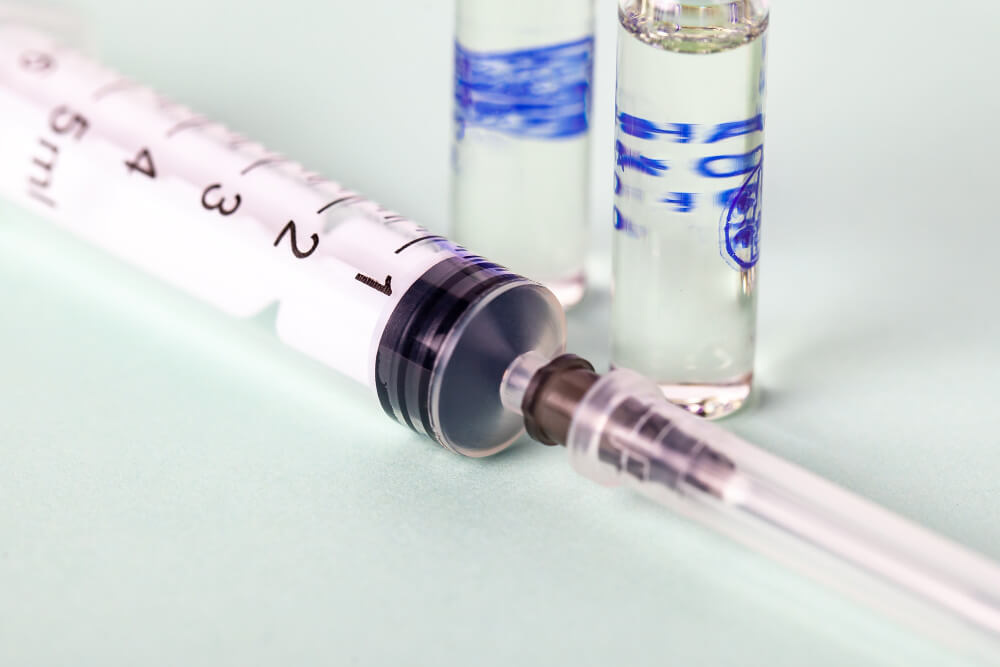
The safe and effective administration of exosomes requires precision and adherence to sterile technique. The method of delivery depends entirely on the clinical goal. For localized treatments, such as in aesthetics or orthopedics, direct injection is the most common method. This involves using a fine-gauge needle to deliver the exosomes into the target tissue, such as the dermis of the skin, the subcutaneous fat layer, or directly into a joint space.
Before injection, the exosome product, which is often supplied lyophilized (freeze-dried), must be carefully reconstituted with sterile saline. It is crucial to handle the product gently to avoid damaging the vesicles. The treatment area must be thoroughly cleansed with an antiseptic agent to prevent infection. The injection technique itself should be slow and deliberate to ensure even distribution and minimize patient discomfort. Proper training on anatomical landmarks and injection depths is critical for achieving optimal results and ensuring patient safety.

Dosing Protocols For Localized Exosome Injections
Determining the correct dosage for exosome therapy is a developing science, and is more of an art guided by clinical experience and product specifications. Unlike pharmaceutical drugs with well-defined dosing, exosome dosing is typically based on the total number of particles being delivered. A common therapeutic range for a localized injection, such as for a single joint or a full-face treatment, might be between 5 billion and 15 billion exosomes per milliliter, with total volumes ranging from 1 to 5 milliliters.
The optimal dose depends on several factors. These include the size of the treatment area, the severity of the condition being addressed, and the concentration of the exosome product being used. For example, a larger joint like the knee may require a higher particle count than a smaller area like the scalp for hair restoration. It is advisable to start with conservative doses based on manufacturer recommendations and established protocols from training courses. Meticulous record-keeping of doses used and patient outcomes will allow you to refine your protocols over time for your specific patient population.

Intravenous Iv Exosome Therapy Training
Specialized training is critical for administering systemic treatments, as this approach requires a unique skill set. It goes beyond simple IV line placement. Clinicians must be trained on appropriate dilution protocols, infusion rates, and potential systemic reactions. A thorough understanding of the patient’s medical history, including any cardiovascular or autoimmune conditions, is essential. Safety protocols, such as monitoring the patient during and after the infusion for any adverse reactions, must be strictly followed. Because this is a systemic treatment, the legal and regulatory considerations are even more pronounced, and any clinician offering IV exosome therapy must be exceptionally well-versed in the current guidelines and practice with the utmost caution and transparency.

Protocols For Using Exosomes In Aesthetic Medicine
In aesthetic medicine, specific clinical frameworks have been developed to use exosomes for enhancing skin quality, reducing signs of aging, and accelerating healing. Protocols typically involve combining exosomes with procedures that create micro-channels in the skin, allowing for deeper penetration of the product. This synergy amplifies the results of both treatments.
A common protocol involves performing a procedure like microneedling or fractional laser resurfacing first. This creates controlled micro-injuries that stimulate a natural healing response. Immediately following the procedure, the reconstituted exosome solution is applied topically to the treated area. The micro-channels allow the exosomes to penetrate deep into the dermis, where they can deliver their regenerative signals directly to fibroblasts and other target cells. This results in faster recovery, reduced redness and swelling, and a significant boost in the production of new collagen and elastin, leading to firmer, smoother, and more radiant skin.
Combining Exosome Therapy With Microneedling And Energy Devices
Pairing exosome therapy with procedures like microneedling and energy-based devices is a powerful strategy for maximizing clinical outcomes. These devices work by creating controlled thermal or mechanical injury to the skin, which triggers the body’s natural wound healing cascade. This process on its own stimulates collagen production.
When you apply exosomes immediately after one of these treatments, you are essentially pouring high-octane fuel onto a fire you have just started. The exosomes supercharge the healing process initiated by the device. They provide a massive influx of anti-inflammatory signals to calm the post-procedure inflammation and deliver a concentrated dose of growth factors to amplify collagen synthesis and tissue remodeling. Patients often experience dramatically reduced downtime, with less redness and swelling, and see more significant improvements in skin texture, fine lines, and overall rejuvenation compared to using the device alone.

Exosome Therapy For Hair Loss A Clinicians Guide
Exosome therapy is emerging as a promising option for using cell-free regenerative signals to combat hair thinning and androgenetic alopecia. The primary goal is to shift hair follicles from the dormant (telogen) phase to the active growing (anagen) phase and to improve the health of the scalp microenvironment. The exosomes achieve this by reducing local inflammation and delivering growth factors that nourish and stimulate the dermal papilla cells at the base of the hair follicle.
A typical protocol for hair loss involves a series of treatments spaced about four to six weeks apart. The procedure begins with cleansing the scalp. The exosome solution is then administered via multiple small-volume subcutaneous injections across the areas of thinning hair. Using a very fine needle helps to minimize discomfort. For optimal results, many clinicians recommend a series of three to five initial treatments, followed by maintenance sessions once or twice a year. It is crucial to manage patient expectations and explain that results are gradual and may become noticeable over several months.

Exosome Therapy For Orthopedic And Pain Management Applications
In orthopedics and pain management, exosomes offer a next-generation approach for addressing joint and soft tissue conditions that goes beyond traditional treatments like corticosteroid injections or even PRP. The focus is on leveraging their powerful anti-inflammatory and regenerative capabilities to address conditions like osteoarthritis, tendonitis, and other soft tissue injuries. By reducing inflammation, exosomes can provide significant pain relief.
The procedure involves injecting the exosomes directly into the affected joint or soft tissue under sterile conditions, often with the guidance of ultrasound to ensure precise placement. Once in the joint space, the exosomes release their cargo to modulate the inflammatory environment, protecting existing cartilage from further degradation. They also signal to local chondrocytes and synovial cells to promote a healthier joint environment. Unlike corticosteroids which can have degenerative effects over time, exosomes work to create a pro-regenerative environment, offering the potential for not just symptom relief but also long-term functional improvement.

Using Exosomes For Sexual Dysfunction P Shot O Shot
The principles of regenerative medicine are being successfully applied to enhance sexual function and wellness, and exosomes are at the cutting edge of this trend. The use of exosomes is an evolution of the well-known P-Shot (for men) and O-Shot (for women), which traditionally use PRP. By substituting or augmenting PRP with a concentrated dose of MSC-derived exosomes, clinicians can deliver a more potent and predictable regenerative signal.
For men, injections into the penile tissue can improve blood flow by promoting angiogenesis and nerve regeneration, potentially leading to improved erectile function. For women, injections into the clitoris and vaginal wall can enhance nerve sensitivity, improve lubrication, and strengthen tissue, leading to increased arousal and orgasm quality. Because exosomes provide a consistent, high concentration of growth factors from young, healthy cells, they can offer more reliable and significant results than PRP, which is limited by the age and health of the individual patient.
Exosomes Vs Prp A Clinical Comparison For Physicians
For physicians practicing regenerative medicine, a common question involves evaluating the key clinical differences between exosomes and Platelet-Rich Plasma (PRP). While both are used for similar applications, they are fundamentally different. PRP is an autologous product created by concentrating platelets from the patient’s own blood. Its effect relies on the growth factors released by these platelets. The main limitation is that the quality and quantity of these growth factors are highly dependent on the patient’s age and overall health. An older patient will have older platelets with a less robust signaling capacity.
Exosomes, particularly those derived from perinatal MSCs, offer a significant advantage. They are an allogeneic, “off-the-shelf” product that is not dependent on the patient’s condition. They provide a much higher concentration of a broader array of growth factors and signaling molecules sourced from young, vibrant cells. This results in a more potent and consistent regenerative signal. Exosomes are also acellular, eliminating the potential for unwanted cellular activity. In essence, while PRP uses the patient’s own repair signals, exosomes provide a powerful dose of ideal repair signals, often leading to more predictable and dramatic results.

Managing Patient Expectations And Consent For Exosome Therapy
Setting realistic patient expectations from the start is a cornerstone of ethical and successful practice in regenerative medicine. It is vital to be transparent and realistic about what exosome therapy can and cannot do. Under-promising and over-delivering should be the guiding principle. Patients should understand that results can vary and are often gradual, appearing over weeks or months.
The informed consent process must be exceptionally thorough. The consent form should clearly state that exosome therapy is investigational for most applications and is not an FDA-approved cure for any disease. It must outline the potential benefits, the known risks (such as infection, inflammation, or lack of effect), and the alternatives to treatment. The cost of the procedure and the fact that it is not covered by insurance must also be clearly documented. A detailed conversation that allows the patient to ask questions is just as important as the signed form. This ensures the patient is a true partner in their care.

Risks Safety And Contraindications For Exosome Use
While exosome therapy has a strong safety profile because it is acellular, a full review of the potential risks and contraindications is essential for any clinician. The most significant risk is from using a poor-quality or contaminated product. This is why rigorous sourcing and vetting of suppliers is paramount. A contaminated product could lead to serious infection or a dangerous immune response. Another risk is improper injection technique, which can cause infection, bruising, or damage to underlying structures.
Contraindications for exosome therapy include active cancer, as there is a theoretical risk that growth factors could stimulate tumor growth. Patients with a known hypersensitivity to any of the product’s components should not be treated. Caution should also be exercised in patients with active systemic infections or poorly controlled autoimmune diseases. A thorough medical history is essential to screen for these conditions and ensure patient safety before proceeding with any exosome treatment.

Troubleshooting Adverse Events Or Poor Outcomes
Even with meticulous technique and high-quality products, clinicians must be prepared with a clinical framework for responding to complications. The most common adverse event is a temporary local inflammatory reaction at the injection site, characterized by redness, swelling, and soreness. This typically resolves on its own within a few days and can be managed with ice and over-the-counter anti-inflammatory medication. A more severe reaction could indicate an immune response or a low-grade infection and requires closer follow-up.
A poor outcome, or a lack of desired results, also requires a systematic approach. First, review the case. Was the diagnosis correct? Was the dose and placement appropriate? Were the patient’s expectations realistic? Sometimes, a single treatment is not enough, and a follow-up session or a combination therapy approach may be needed. Open and honest communication with the patient is key. Discussing the outcome and potential next steps helps maintain trust and manage patient satisfaction even when initial results are suboptimal.
Billing Coding And Pricing For Exosome Procedures
Navigating the financial logistics of exosome therapy requires careful planning, as currently, there are no specific CPT codes for exosome administration. This means that these procedures are not covered by insurance and are offered on a cash-pay basis. Practices must be transparent with patients about this from the very first conversation.
Pricing for exosome procedures should be based on several factors.
- Cost of Goods: The primary driver is the cost of the exosome product itself, which can be significant.
- Procedure Complexity: A simple topical application will be priced differently than a complex ultrasound-guided joint injection.
- Clinician Time and Expertise: Your time and specialized knowledge have value.
- Market Demographics: Pricing should also reflect the local market and patient demographics.
Most practices bundle the cost of the exosome product and the administration fee into a single procedure price. This straightforward, all-inclusive pricing model is easiest for patients to understand and avoids confusion.

How To Market An Exosome Therapy Service Ethically
Navigating the complex rules of compliant promotion must be done with the utmost ethical responsibility. The primary rule is to avoid making specific disease claims. Because these products are not FDA-approved drugs, you cannot market them as a treatment, cure, or prevention for any specific medical condition. Doing so can result in severe penalties from regulatory bodies like the FDA and FTC.
Instead, your marketing should focus on education and wellness. Use language that highlights the therapy’s role in supporting the body’s natural healing and regenerative processes. You can talk about “improving skin quality,” “promoting a healthy joint environment,” or “supporting hair health.” Focus on the science in an accessible way, explaining what exosomes are and their mechanism of action. Patient testimonials can be powerful, but they must be authentic and include disclaimers that results are not guaranteed and can vary. The goal is to attract educated, appropriate patients, not to mislead the public with unsubstantiated promises.

Ethical Considerations For Offering Non Approved Therapies
Offering therapies that are not yet FDA-approved places a significant ethical burden on the physician, requiring them to carefully balance patient access with professional responsibility. The primary ethical duty is to “first, do no harm.” This begins with ensuring the product you are using is safe, pure, and sourced from a highly reputable lab. The second duty is to ensure true informed consent. Patients must understand the investigational nature of the treatment, the lack of long-term data, and the fact that it is not a standard of care.
Physicians must also commit to responsible innovation. This involves staying current on the latest scientific research, contributing to data collection where possible, and being honest about the limits of current knowledge. It is unethical to present exosome therapy as a miracle cure. It should be offered as one potential tool within a comprehensive treatment plan, often after more conventional therapies have been considered. Balancing a desire to offer cutting-edge treatments with the professional responsibility to protect patients is the core ethical challenge in this exciting field.

The Future Of Acellular Biologics In Medicine
The future potential of acellular biologics like exosomes is incredibly bright and extends far beyond their current applications. We are only at the beginning of understanding and utilizing these powerful natural messengers. The next frontier will likely involve engineered exosomes. Scientists are exploring ways to “load” exosomes with specific drugs, therapeutic RNA, or other molecules and to modify their surface proteins to target specific cells or tissues in the body. This could turn exosomes into a highly precise drug delivery system for everything from cancer therapy to treating genetic disorders.
As manufacturing and characterization techniques become more standardized, we can expect to see more consistent and even more potent exosome products become available. This will pave the way for the large-scale, randomized controlled trials needed for full FDA approval for specific indications. The shift from cellular to acellular therapies will continue to accelerate, as they offer a safer, more scalable, and more versatile platform for regenerative medicine. For clinicians who invest in mastering this technology now, they are positioning themselves at the vanguard of a medical revolution that will define patient care for decades to come.
Frequently Asked Questions
How Do Exosomes Work To Promote Healing And Regeneration In The Body?
Exosomes work by initiating a powerful, multi-faceted cascade of regenerative events rather than performing a single function. As acellular messengers, they deliver a rich cargo of proteins and genetic material to instruct target cells. First, they act as potent anti-inflammatory agents, delivering signals that down-regulate pro-inflammatory pathways and encourage a pro-reparative environment. Second, the growth factors within them stimulate cellular proliferation and repair through paracrine signaling, prompting damaged or quiescent cells to divide and rebuild tissue. Finally, exosomes promote angiogenesis—the formation of new blood vessels—which is essential for supplying healing tissues with the oxygen and nutrients needed for a robust recovery, making them a versatile therapeutic tool.

Why Are Exosomes Derived From Mesenchymal Stem Cells (Mscs) Considered Superior?
The therapeutic potency of an exosome is directly determined by its parent cell, and those derived from Mesenchymal Stem Cells (MSCs) are considered the gold standard for regenerative applications. This is because MSCs are renowned for their powerful inherent regenerative and anti-inflammatory capabilities, and they effectively package these exact properties into the exosomes they release. While other sources like platelets exist, their exosomes often lack the same consistency and robust signaling profile. MSCs are typically sourced from young, vibrant perinatal tissues like Wharton’s jelly or the umbilical cord lining. The resulting exosomes carry a highly active, predictable, and powerful regenerative message, making them a more reliable and potent choice for clinical applications.

What Is The Current Fda Regulatory Status Of Exosome Treatments?
It is critical to understand that there are currently no FDA-approved exosome products for the treatment or prevention of any disease. Any party claiming to have an “FDA-approved” exosome product is making a false statement. Some exosome products are commercially available, but they typically fall under the less stringent regulatory pathway for cosmetics or Section 361 HCT/Ps, which applies only if they are minimally manipulated and intended for homologous, topical use. When exosomes are used for non-homologous purposes, such as therapeutic injections for tissue repair, they are considered drugs by the FDA. This requires extensive clinical trials and a biologics license application (BLA) for approval, which no product currently has, making such uses investigational.
Explore The Topic Even More
- Exosome Therapy Training For Doctors
- Certification In Exosome And Regenerative Therapies
- How To Administer Exosome Injections
- Clinical Evidence For Exosome Treatments
- The Legal And Regulatory Status Of Exosome Products Fda Guidelines
- Sourcing And Vetting Medical Grade Exosome Suppliers
- Exosomes Vs Prp A Clinical Comparison For Physicians
- Protocols For Using Exosomes In Aesthetic Medicine
- Exosome Therapy For Hair Loss A Clinicians Guide
- Intravenous Iv Exosome Therapy Training
- The Science Of Extracellular Vesicles Evs For Clinicians
- How To Add Exosome Treatments To A Medical Practice
- Billing Coding And Pricing For Exosome Procedures
- Exosome Therapy For Orthopedic And Pain Management Applications
- Dosing Protocols For Localized Exosome Injections
- Understanding Exosome Characterization And Lab Reports
- Managing Patient Expectations And Consent For Exosome Therapy
- Combining Exosome Therapy With Microneedling And Energy Devices
- Risks Safety And Contraindications For Exosome Use
- The Difference Between Msc Derived Exosomes And Other Sources
- A Physicians Guide To The Mechanism Of Action Of Exosomes
- The Future Of Acellular Biologics In Medicine
- Cme Courses On Advanced Regenerative Biologics
- Using Exosomes For Sexual Dysfunction P Shot O Shot
- Troubleshooting Adverse Events Or Poor Outcomes
- Ethical Considerations For Offering Non Approved Therapies
- How To Market An Exosome Therapy Service Ethically