
Unlocking Your Genetic Blueprint: A Complete Guide to DNA Testing
Have you ever wondered what secrets are held within your DNA? This intricate code, unique to you, contains the instructions for building and operating your entire body. For centuries, this personal blueprint was a mystery. Today, thanks to incredible scientific advancements, we can read parts of this code, offering unprecedented insights into our ancestry, health, and wellness.
The field of personal genomics has exploded in popularity, moving from the research lab into our homes. Simple at-home kits have made it easier than ever to explore your genetic makeup. This access has opened up a new frontier in personalized health, allowing us to move beyond one-size-fits-all advice and toward strategies tailored to our own biology. Understanding the landscape of DNA testing is the first step toward harnessing this powerful information.
This guide will walk you through everything you need to know. We will explore what DNA testing is, the different types available, and how the results can be used to optimize your health and potentially extend your lifespan. Whether you are curious about your heritage or seeking to proactively manage your health, understanding your genes is a powerful tool in the modern wellness toolkit.

What Exactly Is DNA?
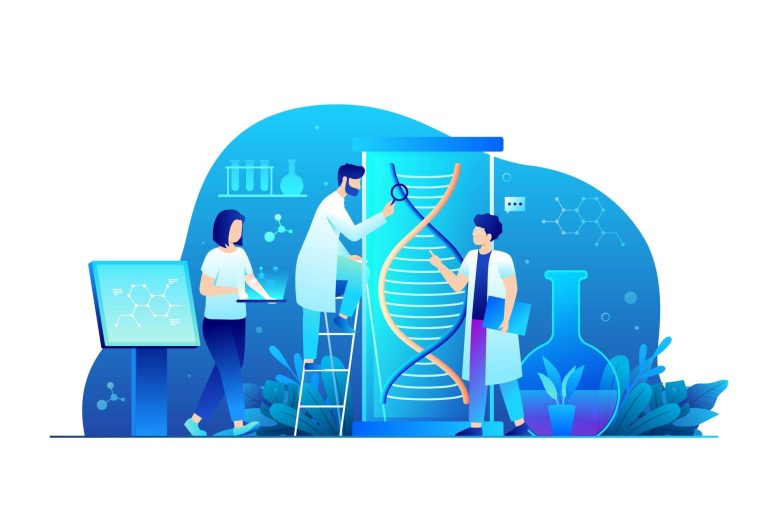
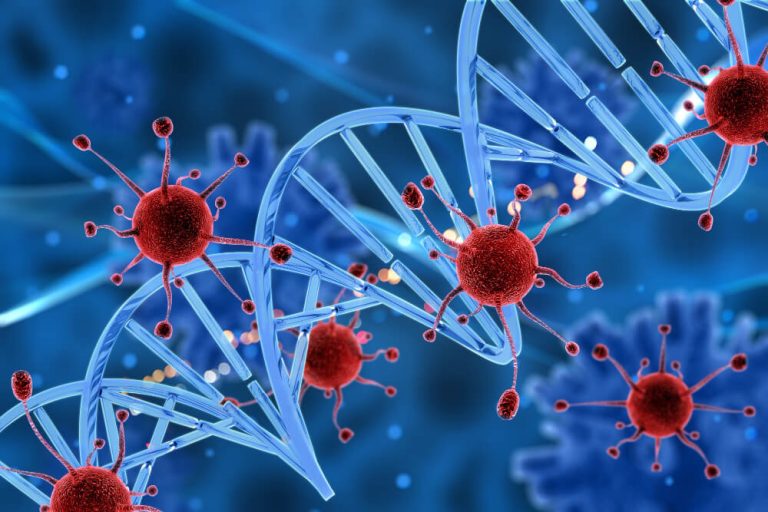
Before diving into testing, it is helpful to understand the basics of what is being analyzed. Deoxyribonucleic acid, or DNA, is the hereditary material in humans and almost all other organisms. It is a long molecule shaped like a twisted ladder, often called a double helix, and it contains the specific instructions that make each species unique.
Your DNA is organized into structures called chromosomes, which are located inside the nucleus of each of your cells. Humans have 23 pairs of chromosomes. Specific segments of DNA on these chromosomes are called genes. Each gene provides the recipe for making a specific protein, and proteins perform a vast array of tasks within the body, from building tissues to carrying oxygen and fighting infections.
Small variations in these genes account for the differences we see among people, such as eye color, hair color, and even predispositions to certain health conditions. It is these variations, known as single nucleotide polymorphisms or SNPs, that most consumer genetic tests analyze to provide you with your personalized report.

How Does a DNA Test Work?
The process of getting a DNA test, especially a direct-to-consumer one, is surprisingly simple. It typically begins with ordering a kit online, which is then mailed to your home. Inside the kit, you will find instructions and a collection device, which is usually a small tube for a saliva sample or a cheek swab.
You provide your sample, secure it in the provided packaging, register your kit online, and mail it back to the company’s laboratory. At the lab, technicians extract your DNA from the cells in your saliva or from the cheek swab. They then use a technology called a genotyping chip to analyze hundreds of thousands of specific points in your genome where variations are known to occur.
The lab’s computer systems then compare your genetic data to a massive reference database. Based on this comparison, the company generates a detailed report that interprets your genetic information. This report is then made available to you through a secure online portal, revealing insights about your ancestry, traits, and health-related predispositions.

Why Would Someone Get a DNA Test?
People are motivated to explore their genetics for a wide range of reasons, each deeply personal. One of the most common drivers is curiosity about ancestry. These tests can provide a fascinating breakdown of your ethnic origins, connecting you to regions around the world where your ancestors may have lived and even helping you find and connect with distant relatives.
Beyond heritage, health is a major motivator. Many people use DNA testing to gain a better understanding of their potential health risks. Knowing you have a genetic predisposition for a condition like high cholesterol or celiac disease can empower you to make proactive lifestyle changes or seek further medical guidance. This foreknowledge shifts the focus from reactive treatment to proactive prevention.
Others are interested in optimizing their current wellness routines. Genetic reports can offer clues about how your body might respond to different types of diet and exercise, your sleep patterns, or how you metabolize nutrients like caffeine and alcohol. This information can help you fine-tune your lifestyle for better results. Additionally, some tests can identify if you are a carrier for certain genetic conditions, which is valuable information for family planning.

What Are the Different Types of Genetic Tests?
Not all genetic tests are created equal. They can be broadly categorized into two main groups: direct-to-consumer tests and clinical-grade tests. Understanding the difference is crucial for managing your expectations and using the information appropriately.

How Do At-Home Consumer Tests Work?
Direct-to-consumer (DTC) tests are the ones you can order online without a doctor’s prescription. Companies like 23andMe and AncestryDNA are famous examples. These tests primarily focus on ancestry, inherited traits like earwax type or cilantro aversion, and general wellness reports related to diet, fitness, and sleep.
While some DTC companies offer health predisposition reports for a limited number of conditions, it is important to remember that these are not diagnostic tools. They provide risk information, not a diagnosis. The technology they use is highly accurate for what it tests, but it only looks at a fraction of your total genetic code. These tests are a fantastic entry point for personal discovery and general wellness insights.

What Is Clinical-Grade Genetic Testing?
Clinical genetic testing is ordered by a healthcare professional, such as a doctor or a genetic counselor. These tests are used for specific medical purposes, such as diagnosing a genetic condition, determining if you carry a gene for a disease you could pass to your children, or guiding treatment decisions. For more in-depth information, many people turn to trusted medical sources for an overview of genetic testing.
Unlike DTC tests that look at common variants, clinical tests often involve more comprehensive methods like gene sequencing. There are several categories of these tests. Diagnostic testing is used to identify or rule out a specific genetic or chromosomal condition. Predictive and presymptomatic testing can detect gene mutations associated with disorders that appear after birth, often later in life. Learning about the different types of genetic tests can help clarify their specific purposes.
Carrier screening can identify people who carry one copy of a gene mutation that, when present in two copies, causes a genetic disorder. Pharmacogenomic testing examines how your genes affect your response to certain medications, helping doctors prescribe the right drug at the right dose. The entire process of understanding genetic testing from a clinical perspective is best navigated with a healthcare provider who can interpret the complex results.
Specialized labs and healthcare technology companies focus exclusively on providing this level of medical-grade information. For instance, some companies like Invitae work directly with the medical community to offer a wide range of clinical genetic tests that can inform life-changing health decisions. This level of testing goes far beyond curiosity and becomes an integral part of medical care.

How Can DNA Testing Impact Your Health and Longevity?
The true power of genetic information lies in its application. Your DNA report is not just a collection of interesting facts; it is a personalized roadmap that can guide you toward a healthier, potentially longer life. By understanding your unique genetic predispositions, you can make informed, targeted changes to your lifestyle.
Imagine discovering you have a genetic variant that makes you more sensitive to the effects of saturated fat on your cholesterol levels. Armed with this knowledge, you could work with a nutritionist to modify your diet in a way that directly addresses your specific risk, rather than following generic dietary advice. This is the essence of personalized nutrition.

Can Your Genes Guide Your Diet and Fitness?
Absolutely. Your genes can influence everything from how well you metabolize macronutrients like fats and carbohydrates to your body’s need for certain vitamins. For example, some individuals have variations in the MTHFR gene, which can impact their ability to process folate (vitamin B9). These individuals may benefit from consuming more folate-rich foods or a specific form of the supplement.
Similarly, your genetics can offer clues for your fitness routine. Variations in the ACTN3 gene, sometimes called the ‘gene for speed’, are associated with the composition of fast-twitch muscle fibers. Knowing your genotype might help you understand why you excel at power-based activities like sprinting or weightlifting versus endurance sports like long-distance running, allowing you to train smarter.
The ultimate goal is using genetic data to guide lifestyle and supplement choices. It allows you to move from guessing what works to building a health plan based on your biological blueprint. This proactive approach is a cornerstone of modern anti-aging and longevity strategies.

How Does Genetics Inform Disease Risk?
One of the most profound applications of DNA testing is in understanding your risk for complex, multi-gene diseases. Many common conditions like heart disease, type 2 diabetes, and certain cancers are not caused by a single gene but by the combined influence of many small genetic variations acting together, along with lifestyle and environmental factors.
To quantify this, scientists have developed a sophisticated method of analysis that looks at these multiple genetic factors together. The resulting polygenic risk scores (PRSs) can provide a much clearer picture of your inherited risk for a specific disease compared to looking at single genes in isolation. A high PRS for heart disease does not mean you will get it, but it is a powerful motivator to focus on heart-healthy behaviors.
This information can be incredibly empowering. For example, if you learn you have a heightened genetic risk for type 2 diabetes, you can take immediate, concrete steps. You might pay closer attention to your diet, increase your physical activity, and use other health technologies to monitor your metabolic health proactively.
Pairing genetic insights with real-time health data provides a comprehensive view of your wellness. For individuals managing metabolic health, combining genetic risk information with data from tools like continuous glucose monitors (CGMs) can be transformative. This allows you to see exactly how your food and lifestyle choices impact your blood sugar levels, helping you manage a genetic predisposition with precision.

What Are the Limitations and Risks to Consider?
While DNA testing offers incredible potential, it is essential to approach it with a clear understanding of its limitations and potential downsides. First and foremost, your genes are not your destiny. They are a single piece of a very large puzzle that also includes your lifestyle, environment, and personal choices.
A genetic predisposition is just that: a predisposition. It is an increased likelihood, not a certainty. Many people with high-risk genes never develop the associated condition, while others with low-risk genes do. This is why the information should be used to empower positive changes, not to cause fear or anxiety.
Privacy is another significant consideration. When you send your DNA to a company, you are entrusting them with your most personal data. It is crucial to read the company’s privacy policy and terms of service carefully. Understand how they use, share, and protect your data. Reputable companies use strong encryption and security practices and allow you to control how your data is used for research.
Finally, be prepared for the emotional impact of the results. You might discover surprising information about your family or learn about a health risk you were not expecting. For medically significant results, especially from clinical-grade tests, it is highly recommended to review them with a doctor or a genetic counselor who can provide context, support, and guidance on the next steps.

How Do You Choose the Right DNA Test for You?
With so many options available, choosing a test can feel overwhelming. The best place to start is by defining your primary goal. Are you mainly interested in exploring your family history and connecting with relatives? Or is your main focus on health and wellness insights?
If ancestry is your priority, look for companies with large DNA databases, as this increases your chances of finding relative matches and getting a more detailed ethnic breakdown. Companies like AncestryDNA and MyHeritage are leaders in this space.
If your focus is on health, consider the breadth and depth of the health reports offered. Some companies provide basic wellness insights, while others offer more detailed reports on carrier status and genetic health risks. Read sample reports and compare the types of information provided.
For anyone with a specific medical concern or a family history of a particular disease, a direct-to-consumer test is not the right tool. In this case, the conversation should start with your doctor. They can determine if clinical genetic testing is appropriate and refer you to a genetic counselor to ensure you are getting the right test and can properly interpret the results.
Regardless of the test you choose, look for a company with a strong reputation, transparent policies, and excellent customer support. Reading reviews and doing your research beforehand will help you select a service that aligns with your goals and values.
Your genetic code is a foundational part of who you are. By exploring it thoughtfully, you can gain a deeper understanding of your past and take more control over your future health. DNA testing is a gateway to a new era of personalized medicine, where wellness strategies are no longer generic but are tailored to the unique individual that is you.
Frequently Asked Questions
What should I do if a patient understands the statistics but remains overwhelmed by anxiety?
When a patient grasps the numbers but is still highly anxious, it’s crucial to shift from explaining the data to validating their emotional response. Acknowledge that feeling overwhelmed is a normal and understandable reaction to complex health information. Use empathetic statements to show you are listening and create a safe space for them to express their fears beyond the numbers.
After validating their feelings, focus on providing a sense of control by outlining concrete next steps. This may involve discussing surveillance options, preventative measures, or connecting them with resources like support groups or mental health professionals. Reassure them that they are not alone in the process and that you will be a partner in navigating their health journey and any decisions that need to be made.

How can I explain the difference between relative and absolute risk without causing more confusion?
Begin by grounding the conversation in absolute risk, as it is more concrete and easier for patients to internalize. Use a frequency statement, such as "Out of 100 people with this same factor, we expect two of them to develop the condition." This framing avoids abstract percentages and provides a clear visual of the baseline probability that the patient can hold onto.
When you introduce relative risk, immediately connect it back to the absolute risk you just established, explaining it as a multiplier. For instance, say "Your risk is twice as high, which means we go from that 1 in 100 chance to a 2 in 100 chance." Using simple visual aids, like Cates plots or pictographs showing icons of people, can powerfully reinforce this comparison and prevent the patient from overestimating the new, higher risk.

Are certain analogies more effective for explaining low-probability genetic risks?
For low-probability risks, typically those under 5%, analogies involving large groups or familiar scenarios are far more effective than dice rolls or coin flips. Explaining a 1% risk as "one person in a full movie theater" or "one specific seat in a 100-seat auditorium" helps contextualize the rarity of the event. These visuals are more intuitive and relatable than imagining an abstract 100-sided die, which can fail to convey the true likelihood.
It is also highly effective to use dual framing to present a complete picture and provide reassurance. After explaining the 1 in 100 chance of a condition occurring, immediately follow up by stating the inverse: "This also means that 99 out of 100 people will not have the condition." This approach empowers the patient by highlighting the more probable, positive outcome without dismissing the identified risk.
Discover the most comprehensive functional medicine training, longevity training, and biohacking certification programs designed specifically for healthcare professionals, medics, and clinic owners who want to master regenerative medicine protocols and anti-aging therapies. Elevate your practice with Talking Longevity.