
What Is a Biohacking Clinic and Can It Unlock Your Full Potential?
In a world where we can optimize nearly every aspect of our lives, from our homes to our finances, it was only a matter of time before we turned that same lens inward. The concept of biohacking, or do-it-yourself biology, has moved from the fringes of science fiction into the mainstream of health and wellness. It’s a proactive approach to well-being, focused on making measurable improvements to your physical and cognitive performance.
At the heart of this movement is a new type of wellness center, one that merges cutting-edge technology with personalized medicine. This is the essence of a modern biohacking clinic, a place where science, data, and advanced therapies converge to help individuals take control of their biology. It represents a fundamental shift away from the traditional, reactive model of healthcare that waits for sickness to appear.
Instead of just treating symptoms, these clinics aim to understand your body at a cellular level and provide the tools to enhance its function, increase its resilience, and potentially extend its lifespan. It’s about moving beyond ‘not sick’ and striving for a state of optimal, vibrant health. This is the future of personalized wellness, and it’s more accessible than you might think.
What Is the Core Philosophy of Biohacking?
At its core, biohacking is about becoming the CEO of your own health. The philosophy rejects a one-size-fits-all approach to wellness. It acknowledges that each person has a unique genetic makeup, lifestyle, and set of environmental exposures that shape their health journey. Therefore, the strategies to optimize that health must also be unique.
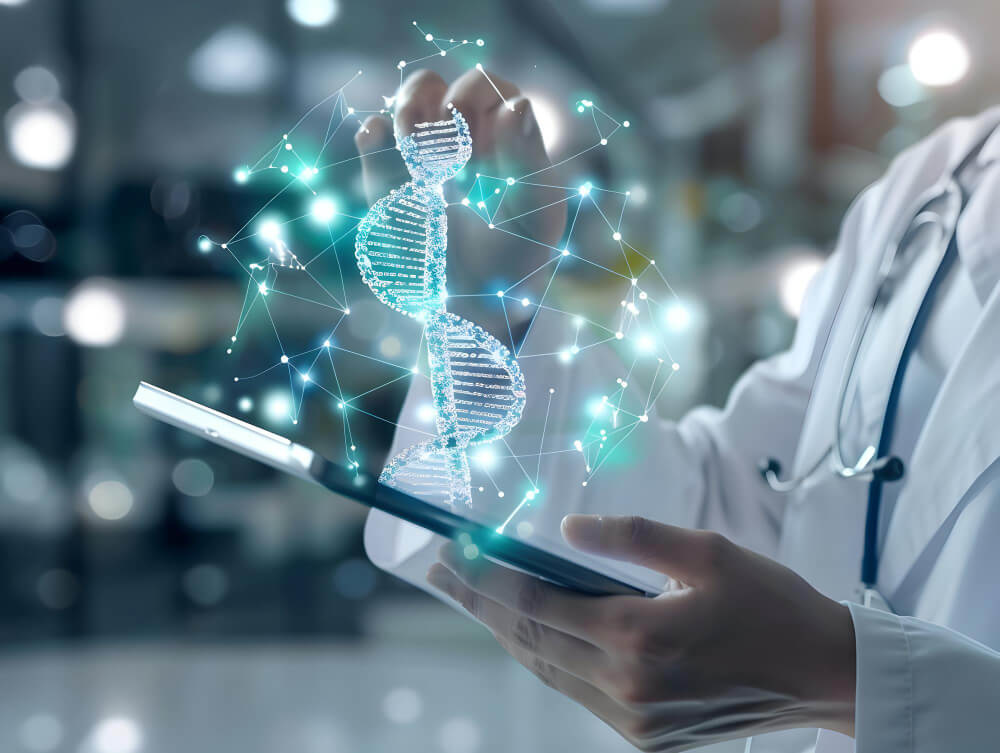
The primary goal is empowerment through data. By quantifying aspects of your health, from sleep quality and heart rate variability to nutrient levels and genetic predispositions, you gain a clear picture of your biological landscape. This data forms the foundation for targeted interventions designed to elicit specific, positive changes.
Think of it like being a scientist in an experiment of one: yourself. You establish a baseline, introduce a variable like a new diet, therapy, or supplement, and then measure the outcome. The aim is not just to feel better subjectively but to see objective, data-driven improvements in your biomarkers. This could mean enhancing focus, speeding up muscle recovery, boosting energy levels, or promoting longevity.
This proactive mindset transforms health from a passive state you hope to maintain into an active pursuit of excellence. It’s about unlocking the latent potential within your own biological systems to live a longer, healthier, and more fulfilling life.
What Services Can You Expect to Find Inside?
A biohacking clinic is like a high-tech wellness playground. The menu of services can be extensive, ranging from foundational diagnostics to futuristic regenerative therapies. While each center has its unique offerings, most are built around a core set of services designed to measure, manage, and upgrade your body and mind. The journey almost always begins with a deep dive into your personal data.

How Do They Measure Your Baseline?
Before you can optimize anything, you need to know your starting point. Biohacking clinics use advanced diagnostic tools that go far beyond a standard physical. The goal is to create a comprehensive, multi-layered snapshot of your current health status.
This often starts with in-depth blood analysis, looking at hundreds of biomarkers related to hormone levels, inflammation, metabolic health, vitamin and mineral deficiencies, and more. It provides a detailed look under the hood at your body’s internal chemistry. Many clinics also offer genetic testing to reveal predispositions for certain conditions and how your body might respond to different foods, exercises, and supplements.
Other common diagnostics include microbiome analysis, which examines the health of your gut bacteria, a critical component of your immune system and overall well-being. Body composition scans like DEXA provide precise measurements of bone density, muscle mass, and body fat, giving a much clearer picture of your physical health than a simple scale.
Furthermore, these clinics often integrate data from personal health trackers. Information gathered by wearable devices like the Oura Ring on sleep cycles, activity levels, and stress responses can be analyzed alongside clinical data. This combination of lab testing and real-world data creates a truly holistic view, allowing for the creation of a highly personalized optimization plan.

What Are Common Therapies for Physical Recovery and Performance?
Once a baseline is established, the clinic can recommend therapies to address specific goals, such as reducing inflammation, accelerating recovery from exercise, or boosting physical energy. These modalities often focus on exposing the body to controlled stressors that trigger powerful adaptive responses.
Cryotherapy is a popular offering. This involves spending a few minutes in a chamber cooled to extremely low temperatures. The intense cold exposure is believed to reduce inflammation, alleviate muscle soreness, and trigger the release of endorphins, leaving you feeling refreshed and energized.
Infrared saunas work on a different principle, using specific wavelengths of light to heat the body from the inside out. This can help improve circulation, promote detoxification through sweating, and induce a state of deep relaxation. It’s a gentler alternative to traditional saunas and is prized for its restorative effects.
Red Light Therapy, also known as photobiomodulation, uses panels of red and near-infrared light to stimulate mitochondrial function. These are the powerhouses of your cells, and enhancing their energy production can lead to benefits like improved skin health, reduced joint pain, and faster wound healing.
For more intensive recovery, many centers offer Hyperbaric Oxygen Therapy (HBOT). This involves breathing pure oxygen in a pressurized chamber. The increased pressure allows your lungs to gather more oxygen, which is then carried throughout your body to promote healing, fight bacteria, and reduce swelling. The accessibility of these therapies has grown, with popular centers like Restore Hyper Wellness making them available in many communities.
What About Cognitive and Cellular Enhancements?
Biohacking isn’t just about the body; it’s also about optimizing your brain and cellular health. Clinics offer a range of services aimed at boosting mental clarity, focus, and long-term cognitive function, as well as therapies that work at the very foundation of your biology.
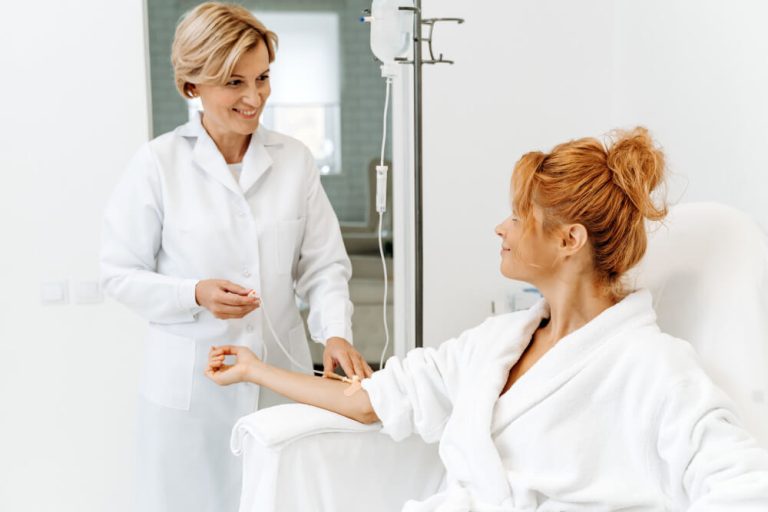
IV drip therapy is a mainstay. By delivering a customized cocktail of vitamins, minerals, amino acids, and antioxidants directly into the bloodstream, it bypasses the digestive system for 100% absorption. These infusions can be tailored for various goals, such as boosting the immune system, enhancing athletic performance, combating jet lag, or rehydrating the body.
On the more advanced end of the spectrum is regenerative medicine. One of the most talked-about treatments is exosome therapy. Exosomes are tiny vesicles that act as messengers between cells, carrying proteins and genetic information that can instruct other cells to repair and regenerate. Administering these powerful messengers can help reduce inflammation and promote tissue healing on a fundamental level. Given its complexity, delivering this therapy safely and effectively requires specialized intravenous IV exosome therapy training for the medical professionals involved.
To enhance the mind, many clinics utilize neurofeedback. This is a form of brain training where you learn to regulate your own brainwave activity. By receiving real-time feedback, you can train your brain to enter states of deep focus, calm, or creativity more easily. Some people seek out highly specialized, intensive programs like 40 Years of Zen to achieve profound shifts in cognitive performance and emotional regulation in a short amount of time.

Why Are Biohacking Clinics Gaining Popularity?
The rise of the biohacking clinic is a direct response to several converging trends in society and healthcare. People are no longer content to be passive recipients of medical advice. There is a growing desire for agency and personalization in every aspect of life, and health is the most personal domain of all.
These centers tap into the human drive for self-improvement and optimization. They provide a tangible, science-backed path for individuals who want to do more than just avoid disease. The clients are often high-performers, athletes, executives, or simply health-conscious individuals who want to function at their absolute best, both mentally and physically.
Moreover, advancements in technology have made sophisticated health tracking and analysis more affordable and accessible. The ability to see your own biological data in real-time is incredibly motivating. It transforms abstract health goals into concrete metrics that can be tracked and improved, creating a powerful feedback loop.
Finally, there is a growing awareness of the limitations of conventional medicine, which excels at acute care but often struggles with chronic conditions and preventative health. Biohacking clinics fill this gap by focusing on the root causes of dysfunction and building a foundation of robust health to prevent future problems. This forward-thinking approach is being embraced by pioneering companies like Fountain Life, which use advanced AI and diagnostics to detect potential health issues years before they would typically manifest.

What Does It Take to Run a Biohacking Clinic?
While the services offered to clients are futuristic and exciting, the reality of operating a biohacking clinic is grounded in careful planning and rigorous standards. Launching and managing one of these centers is a complex undertaking that requires a blend of medical expertise, business acumen, and a deep understanding of cutting-edge technology and regulatory compliance.
The first step for any aspiring owner is developing a solid plan. This involves identifying a target clientele, deciding on a specific menu of services, sourcing high-quality medical-grade equipment, and finding a suitable location. Creating a viable business model for a biohacking center is crucial, as it must account for significant upfront investment and ongoing operational costs, from staffing to consumables for therapies like IV drips.
Beyond the financial and operational aspects, safety and efficacy are paramount. These clinics operate in the space between wellness and medicine, and maintaining the highest standards of care is non-negotiable. This means hiring qualified and licensed professionals, such as doctors, registered nurses, and certified technicians, to administer treatments and interpret diagnostic data. It also involves a deep commitment to evidence-based practices, ensuring that the therapies offered have scientific validation supporting their use.
Navigating the legal and regulatory landscape is another critical challenge. The rules governing these types of wellness services can vary by location and are constantly evolving. Owners must be diligent in navigating the complexities of liability and insurance for a biohacking clinic to protect both their clients and their business. Proper protocols, client consent forms, and adherence to health regulations are not just best practices; they are essential requirements for long-term success and credibility.
How Do You Choose the Right Center for You?
With the growing number of biohacking clinics, deciding where to invest your time and money can feel overwhelming. Not all centers are created equal, and finding one that is safe, reputable, and aligned with your personal goals is key to having a positive and effective experience.
First and foremost, investigate the qualifications of the staff. Look for a clinic that is overseen by a medical director, preferably a physician with a background in functional or integrative medicine. The technicians and nurses administering therapies should be licensed and certified in their respective fields. Don’t hesitate to ask about the team’s credentials and experience.
Transparency is another crucial factor. A reputable clinic will be open about its services, pricing, and the scientific evidence behind its offerings. They should provide a clear consultation process to discuss your health history, goals, and what you can realistically expect from their programs. Be wary of any center that promises miraculous ‘cures’ or uses high-pressure sales tactics.
Consider the clinic’s approach and philosophy. Do they emphasize a holistic, long-term strategy, or are they focused on selling one-off treatments? The best clinics act as partners in your health journey. They should be focused on educating you and empowering you with data to make informed decisions, rather than just providing passive treatments.
Finally, start small. Schedule a consultation or try an introductory service to get a feel for the environment and the staff. Your comfort and trust are important. The right biohacking clinic should feel like a supportive, professional, and inspiring place that is genuinely invested in helping you achieve your optimal state of health.
This journey into self-optimization is a marathon, not a sprint. It’s about making sustainable, incremental changes that compound over time to build a more resilient, energetic, and capable version of yourself. A biohacking clinic can provide the map, the tools, and the expert guidance, but you are the one in the driver’s seat, navigating the exciting path toward your full potential.
Frequently Asked Questions

Why should I consult a physician for biohacking if it’s a DIY practice?
While the do-it-yourself spirit is central to biohacking, involving a physician transforms experimentation into a safe and effective strategy. A medically trained expert can provide a critical baseline assessment of your health, identifying underlying conditions that could make certain hacks dangerous. They use their expertise to interpret complex lab results and biometric data, providing context that goes far beyond what consumer apps can offer.
This professional guidance ensures your biohacking efforts are personalized and grounded in established medical science, minimizing the risk of unintended harm. A physician acts as a knowledgeable partner, helping you navigate the vast and often conflicting information available online. This collaboration helps you make informed decisions, ensuring your pursuit of optimization doesn’t compromise your fundamental well-being.

How does a physician’s role in biohacking differ from that of a traditional primary care doctor?
A traditional primary care physician typically focuses on diagnosing and treating illness, operating within standard care guidelines to bring patients back to a baseline of health. Their role is often reactive, addressing symptoms and managing chronic diseases as they arise. While essential, this model is not primarily geared towards proactive performance enhancement for an already healthy individual.
In contrast, a physician engaged in a biohacking context adopts a proactive and preventative approach, focusing on optimization and peak performance. They are more likely to utilize advanced diagnostic testing, such as comprehensive hormone panels, genetic analysis, and continuous glucose monitoring, to create a highly detailed picture of your unique biology. Their goal is to collaborate with you to elevate your health and performance far beyond the absence of disease.

What are the primary risks a physician helps mitigate when someone is biohacking?
The most significant risk a physician mitigates is causing unintentional harm through poorly researched interventions. Many biohackers experiment with potent supplements, extreme diets, or off-label use of devices without understanding the potential for negative interactions or side effects specific to their body. A physician provides a crucial safety net, evaluating the risks and benefits of any proposed hack against your personal health history and genetics.
Furthermore, a doctor helps prevent the misinterpretation of data, which can lead to flawed conclusions and counterproductive actions. For example, a change in a blood marker could be misinterpreted as a sign of success when it actually indicates an emerging imbalance or stress on the body. By providing expert analysis, a physician ensures your efforts are truly beneficial and sustainable for long-term health and longevity.
Discover the most comprehensive functional medicine training, longevity training, and biohacking certification programs designed specifically for healthcare professionals, medics, and clinic owners who want to master regenerative medicine protocols and anti-aging therapies.