
The Future of Healing: A Deep Dive into Regenerative Care Training
What if we could do more than just manage disease? What if we could empower the body to heal itself from within, turning back the clock on injury and aging? This is the revolutionary promise of regenerative care, a field that is fundamentally changing our approach to health and wellness.
Instead of merely treating symptoms with pills or temporary fixes, regenerative medicine focuses on repairing, replacing, and regenerating damaged cells, tissues, and organs. It’s a paradigm shift towards true healing and restoration. For healthcare professionals, this shift requires a new set of skills and a deeper understanding of the body’s innate biological processes.
This is where the importance of comprehensive regenerative care training becomes paramount. It equips practitioners with the knowledge and techniques to safely and effectively harness the body’s own healing potential, ensuring patients receive the best possible outcomes in this exciting and rapidly evolving field.

What Does Regenerative Care Involve?
At its core, regenerative care is a branch of medicine that leverages the body’s own powerful healing mechanisms. Think of your body as having a built-in toolkit for repair. When you get a cut, your body automatically sends resources to the site to form a scab and grow new skin. Regenerative medicine takes this natural process and amplifies it in a targeted way.
Practitioners use various methods to achieve this. One of the most well-known involves concentrating platelets from a patient’s own blood to create platelet-rich plasma, or PRP. These platelets are rich in growth factors, which are like tiny supervisors that signal cells to start the repair process. When injected into an injured area, they can accelerate healing.
Another approach involves using the body’s own stem cells. These are unique cells that have the remarkable ability to develop into many different cell types. By directing them to areas of damage, they can help regenerate tissue that has been lost to injury, disease, or the aging process. The goal is always the same: to work with the body, not against it, to restore function and vitality.
This approach stands in contrast to many traditional treatments that might mask pain or reduce inflammation without addressing the root cause of the tissue damage. Regenerative care seeks to solve the underlying problem by providing the biological resources needed for a genuine repair.

Why Can’t Any Doctor Just Perform These Procedures?
While the concept of using the body to heal itself sounds straightforward, the application is incredibly complex and requires specialized knowledge. Performing regenerative procedures is not as simple as learning a new injection technique. It demands a deep and nuanced understanding of cell biology, patient physiology, and the intricate signaling pathways that govern tissue repair.
Proper training is critical for several reasons. First and foremost is patient safety. A practitioner must know how to properly harvest, prepare, and deliver these biological materials. This involves sterile techniques and precise protocols to minimize any risk of infection or adverse reactions. Without this expertise, the potential for harm is significant.
Second is patient selection. Not everyone is a suitable candidate for every type of regenerative therapy. A trained professional knows how to conduct a thorough evaluation, including a detailed medical history and diagnostic imaging, to determine if a patient is likely to benefit. They can identify contraindications and manage patient expectations realistically.
Furthermore, the field is not a one-size-fits-all discipline. The protocol for treating an arthritic knee is vastly different from the one used for skin rejuvenation or hair loss. An expert understands these differences and can tailor the treatment plan specifically to the patient’s condition, age, and overall health status. This personalization is key to achieving successful outcomes.
Finally, the field of regenerative medicine is advancing at an astonishing pace. New research and improved techniques are emerging constantly. A commitment to ongoing education and training is essential for any practitioner who wants to stay at the forefront of the field and offer their patients the most current and effective treatments available.
What Are the Different Specialties Within Regenerative Care?
Regenerative medicine is not a single, monolithic field. It encompasses a wide range of applications across various medical specialties, each with its own unique set of protocols and goals. This diversity allows practitioners to focus on areas that align with their expertise and passion, from enhancing appearance to restoring fundamental physical function. The common thread is a focus on stimulating the body’s natural repair mechanisms to achieve lasting results.
As the applications for these therapies expand, so does the need for specialized education. Practitioners are seeking out dedicated programs to master the specific techniques required for different areas of the body and different patient needs. This ensures a higher standard of care and better, more predictable outcomes across the board.

How Does Regenerative Medicine Apply to Aesthetics?
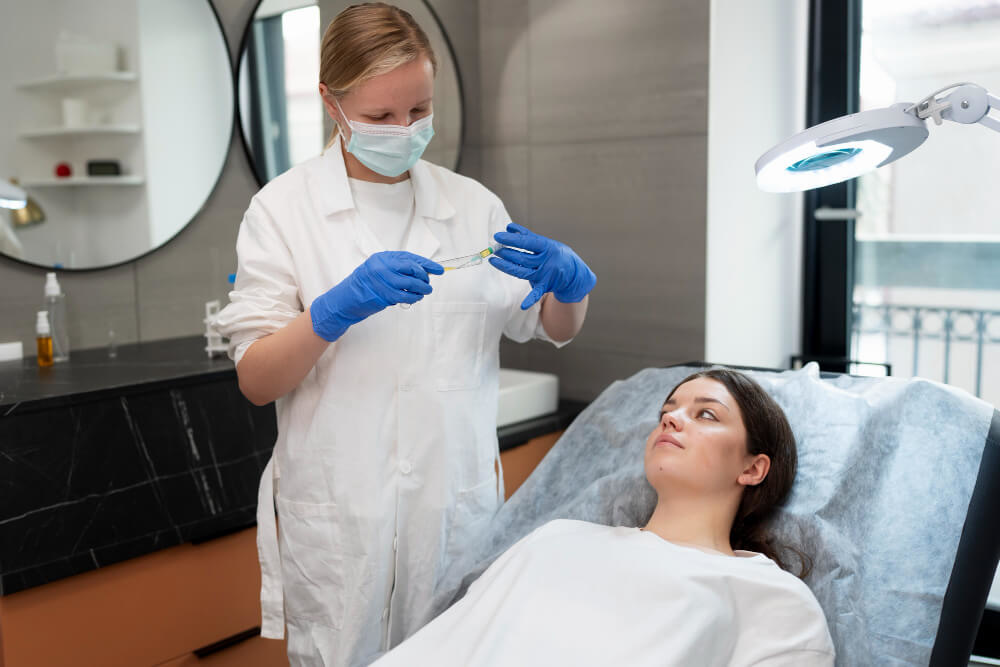
One of the most popular and rapidly growing areas is aesthetic medicine. Here, the focus is on rejuvenating the skin, reducing the signs of aging, and promoting hair growth. Instead of relying on synthetic fillers or toxins, regenerative aesthetics uses the patient’s own biological material to improve skin texture, tone, and elasticity from the inside out.
Treatments like PRP facials, often called ‘vampire facials’, use the growth factors in a patient’s plasma to stimulate collagen production and cellular renewal. This can lead to smoother, firmer skin and a more youthful glow. Similarly, PRP can be injected into the scalp to awaken dormant hair follicles and encourage new, healthier hair growth, offering a natural solution for hair thinning.
For clinicians looking to add these powerful, natural treatments to their practice, specific training is essential. Mastering these techniques requires a deep understanding of facial anatomy and the science of skin aging. A comprehensive program in aesthetic regenerative medicine training for doctors provides the necessary skills to perform these procedures safely and effectively, meeting the growing patient demand for organic and holistic beauty solutions.
What About Joint and Muscle Injuries?
Perhaps the most well-established application of regenerative care is in orthopedics and sports medicine. For decades, athletes and individuals suffering from chronic pain have sought solutions for joint and soft tissue injuries. Regenerative therapies offer a powerful alternative to long-term pain medication or invasive surgeries.
Conditions like osteoarthritis, tendonitis, ligament sprains, and muscle tears can respond remarkably well to treatments like PRP and other cell-based therapies. By injecting these concentrated healing factors directly into the site of injury, practitioners can help reduce inflammation, alleviate pain, and, most importantly, stimulate the repair of damaged cartilage, tendons, and ligaments.
This approach can help patients regain mobility, return to their favorite activities, and potentially delay or even avoid the need for joint replacement surgery. The precision required for these injections, often guided by ultrasound imaging, and the knowledge of post-procedure rehabilitation protocols are critical for success. This is why professionals pursue advanced training in musculoskeletal regenerative medicine, as it provides the in-depth expertise needed to treat these complex conditions and help patients achieve true, long-term healing.
Is There a Connection Between Gut Health and Regeneration?
An emerging and vital area of focus within regenerative and functional medicine is the health of the gut. It may seem disconnected from joint pain or skin health, but the gut is the foundation of our overall wellness. The digestive system is home to trillions of microbes that influence everything from our immune system to our inflammatory responses.
Chronic inflammation originating from an unhealthy gut can hinder the body’s ability to heal and regenerate effectively. If the body is constantly fighting low-grade inflammation, its resources for repair are depleted. Therefore, optimizing gut health is a crucial first step in any comprehensive regenerative care plan. A healthy gut lining ensures proper nutrient absorption and prevents inflammatory triggers from entering the bloodstream.
Practitioners are increasingly recognizing that to achieve systemic regeneration, they must first address the gut. Methodologies like the 5R program, which stands for Remove, Replace, Reinoculate, Repair, and Rebalance, offer a structured approach to healing the digestive tract. Learning how to create a personalised 5R gut restoration program allows clinicians to build a solid foundation of health for their patients, which in turn enhances the effectiveness of all other regenerative therapies they may receive.
How Does Our Genetic Makeup Influence Regenerative Treatments?
As medicine becomes increasingly sophisticated, the focus is shifting from a one-size-fits-all approach to highly personalized care. One of the most powerful tools driving this evolution is our growing understanding of genetics. Your unique genetic code holds valuable clues about how your body functions, including how it responds to injury, inflammation, and healing.
In the context of regenerative care, this information is invaluable. By analyzing a patient’s genetic predispositions, a practitioner can tailor treatments for maximum efficacy. For example, some individuals may have genetic variants that make them more prone to inflammation, while others might have a slower natural healing response. Knowing this ahead of time allows the clinician to adjust protocols, manage expectations, and implement supportive therapies to optimize the outcome.
This level of personalization represents the future of medicine. It moves beyond treating a condition and towards treating the individual. The general public’s awareness of genetic testing has grown significantly in recent years, making patients more receptive to this personalized approach. They understand that their biology is unique and expect their healthcare to reflect that.
Esteemed medical institutions provide a wealth of information on this topic. For example, Johns Hopkins Medicine offers detailed explanations about the clinical use of these tests and how they can inform medical decisions. This has helped demystify the process for the public and for healthcare providers alike. Even direct-to-consumer services from companies like 23andMe have played a role by making people more familiar with their own genetic data, sparking curiosity about its implications for their health and longevity.
Who Helps Interpret These Genetic Results?
While access to genetic information is more widespread than ever, the data itself is incredibly complex. A raw genetic report is not a simple instruction manual. It requires expert interpretation to translate the data into meaningful and actionable health strategies. This is where genetic counselors play a crucial role.
These professionals are trained in both medical genetics and counseling. They act as a bridge between the complex scientific data and the patient and their doctor. They can explain the implications of specific genetic findings, assess inherited health risks, and help individuals make informed decisions about their medical care.
For practitioners in regenerative medicine, collaborating with genetic counselors can be incredibly beneficial. They help ensure that genetic insights are used responsibly and ethically to create truly personalized treatment plans. The National Society of Genetic Counselors is the leading professional organization for these experts, providing resources, advocacy, and certification standards to ensure the highest quality of care in this specialized field.
What Should a Patient Expect from a Regenerative Treatment?
A patient’s journey into regenerative care begins with a thorough consultation. This is not a quick visit. A skilled practitioner will take the time to understand your complete medical history, your lifestyle, your goals, and the specifics of your condition. This initial meeting is crucial for determining if you are a good candidate and for setting realistic expectations.
It is vital to understand that regenerative medicine is a process, not a magic bullet. While some patients may feel improvement relatively quickly, the true biological repair happens over weeks and months. The therapies are designed to stimulate your body’s own healing cascade, and this natural process takes time.
Patience is key. Your practitioner will likely recommend a series of treatments spaced out over a specific period to achieve the best result. They will also emphasize the importance of your role in the healing process. Lifestyle factors like a healthy diet, proper hydration, adequate sleep, and appropriate physical activity are critical for supporting the regenerative work happening inside your body.
Following your procedure, you will have a clear aftercare plan. This might include a period of rest followed by a gentle rehabilitation program. Following these instructions carefully is just as important as the procedure itself for ensuring a successful and lasting outcome.
What Does the Future Hold for Regenerative Care?
The field of regenerative care is one of the most dynamic and promising areas in all of medicine. What we see today is just the beginning. Researchers around the world are constantly working to refine existing techniques and discover entirely new ways to harness the body’s healing power. The pace of innovation is truly breathtaking.
Scientists are exploring more advanced cellular products, such as exosomes, which are tiny vesicles that cells use to communicate with each other. These may offer even more targeted ways to deliver healing signals. Others are developing sophisticated biomaterials and scaffolds that can provide a structural framework for new tissue to grow upon, which could one day help regenerate more complex organs.
As research continues and clinical evidence grows, regenerative therapies are becoming more integrated into mainstream medical practice. What was once considered ‘alternative’ is now being recognized as a legitimate and powerful standard of care for a growing list of conditions. This integration is changing how we think about treating chronic disease and the effects of aging.
This rapid evolution underscores the critical need for continuous learning and high-quality training. As the science becomes more complex, the skill required of practitioners increases. The future of medicine will be led by those professionals who commit to mastering these advanced protocols and bringing the benefits of regenerative care to their patients.
Frequently Asked Questions

How does this course go beyond the basic legal requirements of informed consent?
This course elevates the concept of informed consent from a legal formality to a cornerstone of the patient-provider relationship. While standard training ensures you cover the necessary risks, benefits, and alternatives to secure a signature, our curriculum focuses on the art of communication to achieve true patient understanding and trust. We teach you how to build rapport and create a safe environment where patients feel comfortable asking questions and expressing their concerns.
Ultimately, the goal is to move beyond a transactional exchange of information to a collaborative partnership. You will learn strategies to proactively manage patient expectations from the initial consultation, ensuring alignment and preventing the misunderstandings that often lead to dissatisfaction. This approach not only fulfills ethical and legal duties but also significantly enhances patient satisfaction and adherence to treatment plans.
What practical communication techniques will I learn to manage difficult patient conversations?
You will be equipped with a toolkit of evidence-based communication strategies designed for real-world clinical encounters. The course provides structured frameworks for explaining complex medical information in simple, jargon-free language and uses methods like "teach-back" to confirm genuine comprehension. You will practice navigating sensitive discussions about prognosis, potential complications, and the limitations of treatment.
Furthermore, a significant portion of the course is dedicated to managing emotionally charged interactions. You will learn de-escalation techniques for anxious or upset patients and empathetic approaches for delivering bad news. Through guided role-playing in a safe environment, you will build the confidence to handle these challenging conversations with professionalism and compassion.
Who is the ideal participant for this course, and can entire clinical teams benefit?
This course is designed for any healthcare professional directly involved in patient care and decision-making, including surgeons, specialist physicians, general practitioners, and physician assistants. It is particularly beneficial for practitioners in high-stakes fields where complex procedures and uncertain outcomes make managing expectations paramount to patient satisfaction and risk mitigation. The content is valuable for both early-career professionals and seasoned veterans seeking to refine their communication skills.
While individuals will gain immense value, the course is transformative when undertaken by an entire clinical team, including nurses and administrative staff. A unified approach ensures that patients receive consistent, clear, and empathetic communication at every touchpoint of their journey. This cohesive strategy minimizes communication gaps, reinforces trust, and fosters a practice-wide culture of patient-centered care.
Discover the most comprehensive functional medicine training, longevity training, and biohacking certification programs designed specifically for healthcare professionals, medics, and clinic owners who want to master regenerative medicine protocols and anti-aging therapies.